UK's Drastic Aid Reduction Mirrors Global G7 Spending Decline
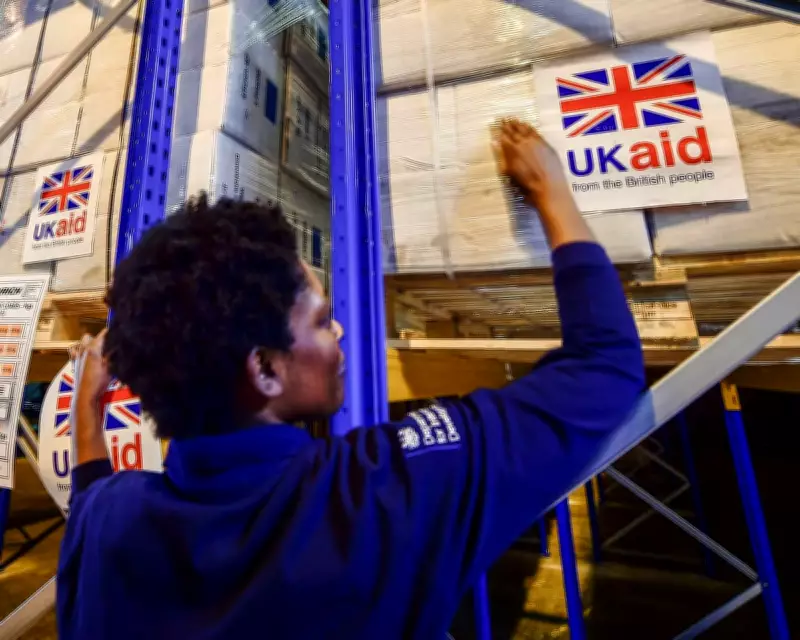
The United Kingdom has implemented a severe 40% reduction in its overseas development aid, a move that reflects a broader international pattern among G7 nations. According to recent analyses, collective G7 spending on aid is projected to be 28% lower this year compared to 2024 levels. This trend signals a significant retreat from global development commitments, with potentially dire consequences for vulnerable populations worldwide.
Historical Progress Under Threat
Over the past two decades, substantial advancements have been made in reducing global child mortality, with a notable 39% decline in deaths across lower and middle-income countries between 2001 and 2021. A key driver of this success has been overseas development aid, which has funded critical initiatives such as sanitation improvements, vaccination programmes, and food security projects. However, this positive momentum has begun to stall, and experts warn that continued budget cuts could lead to a reversal of these gains.
Researchers have issued alarming forecasts, suggesting that ongoing reductions in aid could result in over 22 million preventable deaths within the next five years, including a quarter among children under the age of five. The UK's decision places it at the forefront of this concerning shift, with aid spending set to drop to just 0.3% of gross national income next year—the lowest rate in decades and a stark contrast to its previous achievement of meeting the international target of 0.7%.

Specific Impacts and Government Justifications
Foreign Secretary Yvette Cooper has detailed the specific ramifications of these cuts, including a 56% reduction in bilateral aid to Africa, which will affect funding for essential services like schools and clinics in some of the world's poorest nations. Additionally, climate aid will be slashed by 14%. The government attributes these measures to rising defence costs and frames them as a prudent reassessment of aid strategies, emphasizing a shift towards leveraging private investment.
While this approach includes some sensible decisions, such as continued support for Sudan, Gaza, and the Gavi vaccine programme, critics argue that the overall picture remains desperately bleak. The reliance on private funding is seen as insufficient, as investors typically favor infrastructure and enterprise projects in developing economies over health initiatives in fragile states, failing to bridge the gap left by public cuts.
Broader Implications and Public Perception
The aid reductions have damaged the UK's international reputation and could compromise global security by undermining efforts to foster a stabler, more prosperous world. Historically, NGOs and campaigners have successfully advocated for aid among politicians but have struggled to garner widespread public support, particularly amid rising living costs and the growth of populist rhetoric. Unhelpful comments from figures like Boris Johnson, who referred to UK aid as a cashpoint in the sky, have further eroded trust.
It is crucial to highlight the tangible achievements of development funding, such as the millions of lives saved through improved health and education. Celebrating these successes is essential to building a case for future investment and ensuring that progress does not unravel. The current trend of cuts not only poses moral and pragmatic challenges but also threatens to undo decades of hard-won advancements in global welfare.