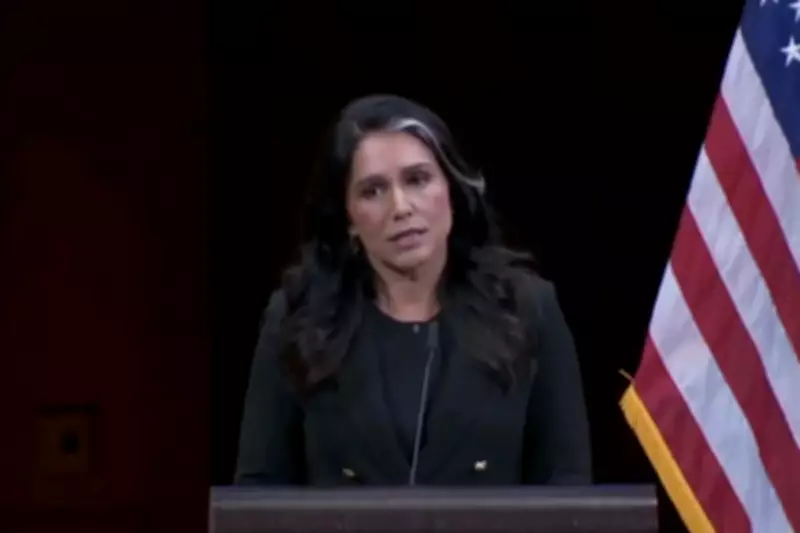
Democratic lawmakers in the United States are raising serious concerns after Director of National Intelligence Tulsi Gabbard was observed at an FBI-executed search warrant of an election office in Fulton County, Georgia. The unexpected presence of the nation's top intelligence official at a domestic law enforcement operation has prompted intense scrutiny and criticism from political figures who argue it falls outside her official remit.
Lawmakers Question Gabbard's Role in Domestic Investigation
Senator Jon Osoff and Representative Jason Crow, both prominent Democrats, have been vocal in their criticism of Gabbard's involvement. They suggest that her appearance at the raid appears to lend support to former President Donald Trump's unsubstantiated claims of election fraud, which have been repeatedly debunked. The lawmakers emphasise that Gabbard's role as Director of National Intelligence typically focuses on overseeing US intelligence agencies and national security matters, rather than domestic law enforcement investigations.
Gabbard's Office Defends Position on Election Security
In response to the growing controversy, Gabbard's office has issued a statement defending her presence. They argue that election security is a crucial component of national security and that her role involves identifying vulnerabilities in critical infrastructure, which includes voting systems. The office maintains that her attendance was part of a broader effort to ensure the integrity of electoral processes across the country.

Legal and Procedural Concerns Raised by Critics
However, critics have highlighted significant legal and procedural issues with Gabbard's actions. They point out that the federal law establishing the Director of National Intelligence's role explicitly limits investigations into election interference to foreign threats. Domestic matters, such as the Fulton County search, are typically outside this purview. Former FBI officials have also questioned the appropriateness of her presence, noting that it could blur the lines between intelligence gathering and law enforcement operations.
The incident has sparked a broader debate about the boundaries of intelligence oversight in domestic affairs. As the investigation continues, lawmakers are calling for greater transparency and clarity regarding Gabbard's involvement and the implications for election security protocols in the United States.