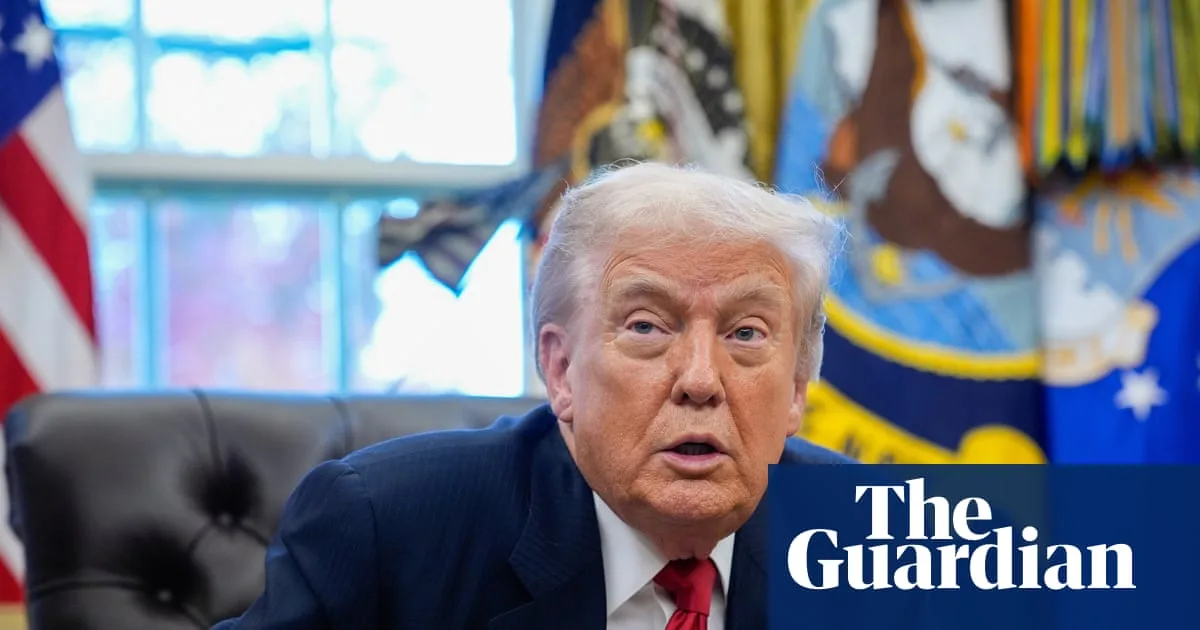
Former US President Donald Trump has given a revealing and expansive interview to the New York Times, outlining a vision of global affairs untethered from traditional alliances and international law. The conversation, held just days after a controversial operation in Venezuela, covered topics from the future of that South American nation to the security of Taiwan and the strategic value of Greenland.
A New World Order: Power Over Precedent
The interview presented a president emboldened by a recent, high-stakes military intervention. Following an operation that seized Venezuelan President Nicolás Maduro, Trump appeared confident in asserting a new approach to international relations, one prioritising American military might and national interest over established diplomatic norms.
When questioned about the legality of the Venezuela action, Trump dismissed the relevance of international law, stating plainly, "I don't need international law." He identified the only limits on his power as his own morality and mind. On Venezuela's future, Trump was clear about America's prolonged role, suggesting US involvement would last "much longer" than a year. He claimed to be getting along well with interim leader Delcy Rodríguez and framed the seizure of the country's oil reserves as a necessary measure, with proceeds purportedly going back to the Venezuelan people.
Geopolitical Gambits: Greenland and NATO's Future
Trump also renewed his focus on acquiring Greenland, not ruling out the use of military force to do so. He argued that outright ownership, rather than operating from bases under treaty, was "psychologically needed for success." This ambition directly challenges the NATO alliance, as both Greenland and its governing power, Denmark, are members.
When pressed on whether obtaining Greenland or preserving NATO was more important, Trump declined to choose but acknowledged it "may be a choice." He was critical of the alliance's European members, demanding they "shape up," and asserted that Russia only fears the United States within the pact. His comments signal a continued willingness to upend long-standing security partnerships in pursuit of perceived strategic assets.
Taiwan, Treaties, and a Candid Demeanour
The interview turned to whether the Venezuela operation might encourage China to move against Taiwan. Trump dismissed parallels, citing drug trafficking and migration from Venezuela as unique threats. He placed the onus on Chinese leader Xi Jinping but stated he would be "very unhappy" with any change to Taiwan's status quo. Expressing personal confidence, Trump doubted Xi would act while he remains in office.
On nuclear arms control, Trump indicated he would let the New START treaty with Russia expire in February, expressing a preference for a new agreement that includes China. Arms control advocates fear this could lead to a dangerous new arms race between the world's two largest nuclear powers.
The Times portrayed Trump in the nearly two-hour session as casual and conspiratorial, even taking a call from Colombian President Gustavo Petro in front of the journalists. He joked about weight-loss drugs like Ozempic, suggesting "I probably should" take them. The overall picture was of a leader revelling in a freedom from convention, openly discussing a world order reshaped by strength and unilateral action.




