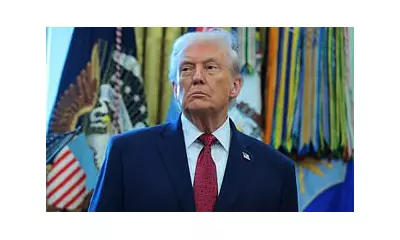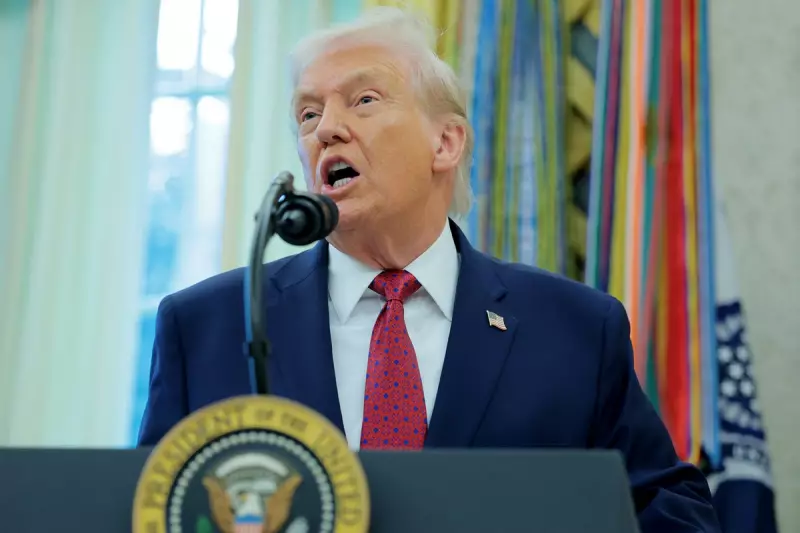
President Donald Trump has announced he will deliver a prime-time televised address to the nation from the White House this week, sparking widespread speculation about its content.
Details of the Upcoming Presidential Speech
The address is scheduled for Wednesday at 9 pm Eastern Time (2 am Thursday GMT). The President revealed the plans via a post on his social media platform, though he notably withheld the specific topic. In his characteristically bullish style, he declared, "It has been a great year for our Country, and THE BEST IS YET TO COME."
This will be the third such sit-down address President Trump has given since returning to the Oval Office in January of this year. Intriguingly, this number already equals the total of formal addresses he delivered throughout his entire first four-year term.
A Look Back at Previous Addresses
His two prior addresses in his current term have covered significant ground. The first focused on themes of law and order, while the second was a response to the shocking assassination of prominent GOP activist Charlie Kirk.
Perhaps the most infamous address of his presidency, however, occurred during his first term. The March 2020 speech, aimed at addressing the COVID-19 pandemic, was marred by controversy. It featured a hot microphone incident where the President was heard making private remarks, and it included an erroneous announcement about cargo bans from Europe that required swift clarification from officials.
Anticipation and Unanswered Questions
The lack of detail regarding the subject of Wednesday's speech has left political analysts and the public guessing. Such addresses are typically reserved for matters of significant national importance, setting the stage for a major announcement or policy direction.
With the President choosing to remain silent on the specifics, all attention will be on the White House at the appointed hour. The event underscores the administration's continued use of direct, televised communication to speak to the American people, a method that has proven both powerful and, at times, contentious.