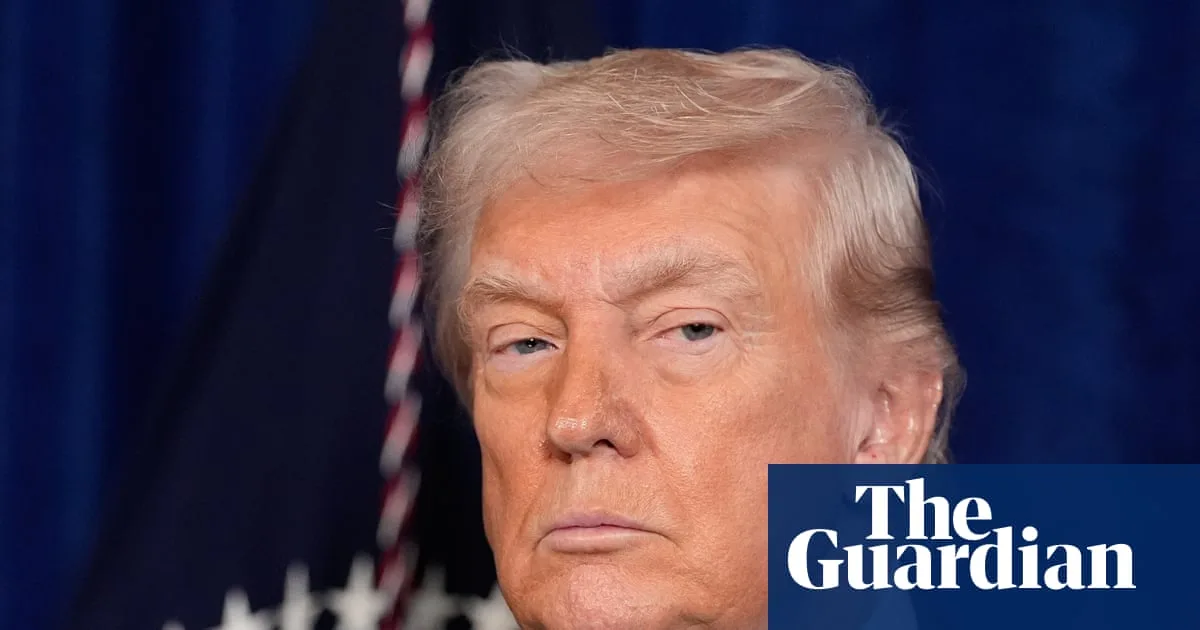
The dawn of 2026, barely three days old, has been shattered by a dramatic and illegal military escalation that experts warn signals a profound transformation in American global conduct. Overnight, US forces launched strikes against Venezuela and abducted its leader, Nicolás Maduro, and his wife, in an operation that has bulldozed through the remaining pillars of international law.
The Caracas Operation and a Shattering of Norms
The attack on Venezuela, which one US report suggests was initially planned for Christmas Day, represents the most brazen act in a series of recent provocations. These include airstrikes on boats off Central America and the armed seizure of Venezuelan oil tankers on the high seas, all justified by unproven allegations of drug trafficking. The specific death toll from the operation to capture Maduro remains unknown.
From a legal standpoint, the grounds for the attack are viewed as exceptionally flimsy. While Maduro has run an authoritarian state since 2013 with rigged elections, the US drug charges against him are widely seen as unconvincing and insufficient to justify an armed invasion and abduction under international law. Observers note that Trump's own statements have revealed a motive far removed from justice: a covetous desire for Venezuela's vast oil reserves, the largest proven in the world.
From Nobel Dreams to Military Might
This aggressive turn marks a stark departure from Trump's recently stated ambitions. Throughout 2025, the President frequently expressed his desire to win the Nobel Peace Prize, even brandishing a substitute Fifa peace prize less than a month ago. His longstanding fear of foreign entanglements appears to have been overtaken by the allure of military drama and natural resources.
"A lot of good planning and a lot of great, great troops and great people," a giddy Trump told the New York Post, calling the operation "brilliant." For an ageing president facing declining popularity and desperate to distract from domestic scandals like the Epstein case, this embrace of military power is viewed as an ominous and potentially reckless development.
The Global Fallout and a New Era of Spheres of Influence
The immediate consequence of the Venezuela operation is a surge of anxiety among nations Trump has previously targeted. Governments in Iran and Denmark, whom he has threatened over protests and Greenland respectively, will be watching with acute concern. The event accelerates a global slide from a rules-based order towards competing spheres of influence dictated by raw military power.
American commentator David Rothkopf has labelled this shift the "Putinization of US foreign policy." The operation bears closest resemblance to the 1990 US invasion of Panama, but follows a trajectory of eroded norms under previous administrations, from the Iraq war to drone campaigns. The critical difference is Trump's complete disdain for the system itself, viewing the world through a 19th-century imperialist lens but with 21st-century weaponry.
The peril now made brutally clear is that the destabilising precedent set in Caracas will resonate far beyond Latin America, inviting similar actions by other major powers and leaving every nation to consider where the next convoy of bulldozers might strike.