Trump's Evolving Iran War Aims: A Mixed Record of Success
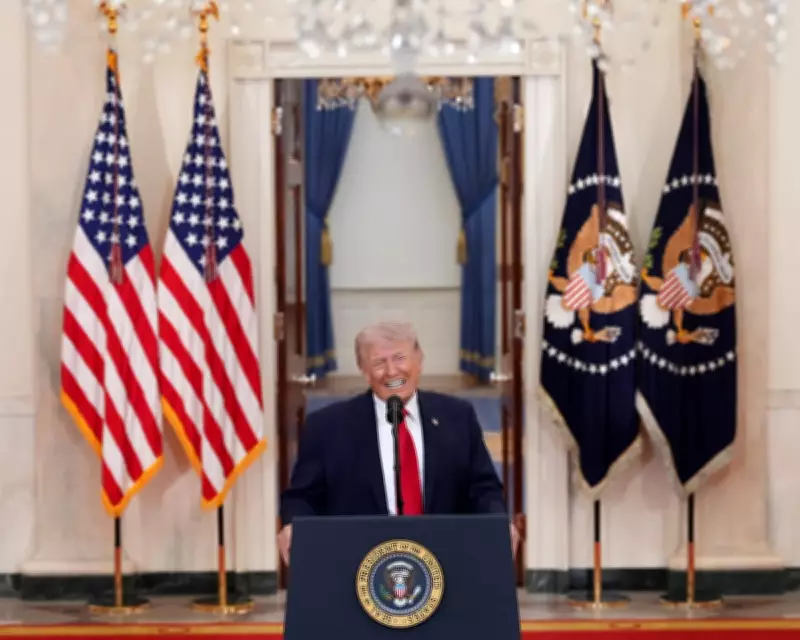
In a national address on Wednesday, former President Donald Trump asserted that the United States would "very shortly" achieve its strategic objectives in Iran. However, this declaration masks a complex reality where the White House has continuously adjusted its goals since the conflict began on 28 February, leading to ambiguous outcomes and persistent regional threats.
Missile and Drone Threat: Partial Degradation
Initially, Trump vowed to "destroy their missiles and raze their missile industry to the ground," targeting Iran's estimated 2,500 high-speed ballistic missiles. While missile launch rates have dropped by approximately 90% and manufacturing capacity has been significantly degraded, Tehran retains a modest but ongoing ability to strike Israel and Gulf states. According to the Israeli Institute for National Security Studies, Iran has launched between seven and 19 daily attack waves on Israel since the war's fourth day. The United Arab Emirates reported intercepting 26 drones and 19 missiles in a single day, highlighting the enduring danger. Reuters sources indicate the US has only confirmed destruction of about one-third of Iran's missile arsenal, a far cry from Trump's original promise.
Nuclear Ambitions: Containment Over Elimination
Trump's early pledge to prevent Iran from obtaining a nuclear weapon focused on its stockpile of 440kg of 60% enriched uranium, enough for potential bomb production. Western intelligence agencies, however, doubted Iran's capability to build a bomb, especially after joint US-Israeli airstrikes last June. Recent attacks on nuclear sites over the past five weeks have further crippled bomb-building efforts, though nuclear material remains stored underground in Isfahan. Trump downplayed this, stating he "didn't care" due to satellite monitoring, signaling a shift from active prevention to passive containment.

Naval and Air Force Objectives: Asymmetric Challenges
The US aimed to "annihilate" Iran's navy and air force, with Secretary of State Marco Rubio later adding the air force to the target list. Trump claimed success on Wednesday, citing the elimination of both forces. The White House reported destroying 150 Iranian vessels by late March, and while air force effectiveness has been minimal, asymmetric threats persist. Iran continues to disrupt the Strait of Hormuz through drone attacks and retains mining capabilities, causing an 8% spike in Brent crude oil prices after Trump suggested other countries should lead reopening efforts.
Proxy Demilitarisation: An Ongoing Struggle
Trump initially committed to neutralizing Iran-backed proxies like Hezbollah, Houthis, and Iraqi militias to prevent regional destabilization. Conflicts involving these groups rage on: Israel's invasion of southern Lebanon aims to clear Hezbollah, rocket fire into Israel continues, Houthis threaten the Red Sea, and nightly drone attacks target western bases in Erbil. Trump has since narrowed his objective to crushing Iran's ability to support these proxies, reflecting a pragmatic retreat from broader demilitarisation goals.
Regime Change: A Failed Aspiration
Early in the war, Trump hinted at regime change, urging Iranians to await freedom after US-Israeli bombing ceased. The killing of Supreme Leader Ali Khamenei on the first day did not spark popular uprisings, given prior brutal suppressions, and his son Mojtaba's installation maintained regime continuity. Trump now argues that "regime change has occurred" due to Khamenei's death, but this has yielded little practical change. The long-term sustainability of the new leadership remains uncertain, with Iran potentially mirroring the weakened Assad regime post-Syrian civil war if bombing stops.
Overall, Trump's Iran war aims have shifted from ambitious destruction to more limited containment, achieving partial successes but leaving core threats unresolved and objectives unclear.