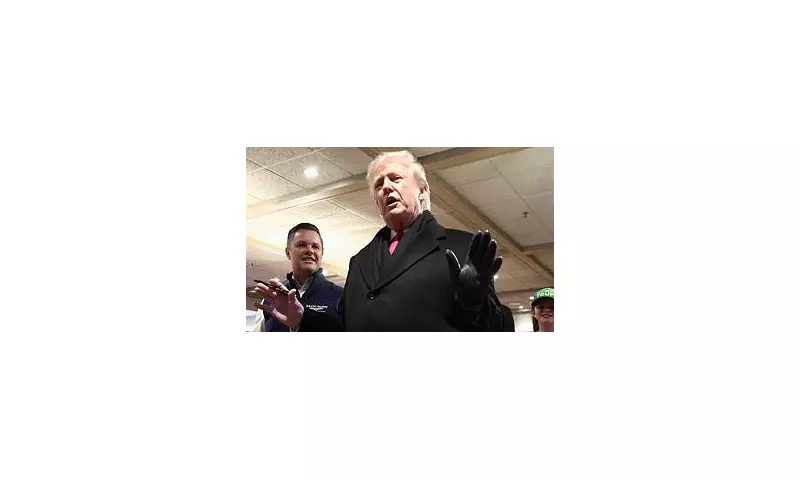
In a statement that has ignited a firestorm of controversy, former President Donald Trump has openly admitted that he would have taken a more aggressive stance during the protests in Minnesota, a move he suggested could have resulted in a higher number of fatalities. This revelation has sparked intense debate and condemnation from various quarters, raising serious questions about leadership and the use of force in civil unrest situations.
Trump's Admission on Protest Response
During a recent interview, Trump reflected on the widespread protests that erupted in Minnesota, which were part of a larger national movement following high-profile incidents of police violence. He stated unequivocally that, under his administration, the response would have been significantly more forceful. Trump argued that this escalation was necessary to restore order and prevent further chaos, but critics have pointed out that such an approach could have led to a tragic increase in casualties among protesters and bystanders alike.
Reactions and Criticism
The former president's comments have been met with swift and severe backlash from political opponents, human rights organisations, and community leaders. Many have labelled his remarks as irresponsible and dangerous, suggesting that they undermine efforts to promote peace and dialogue in times of social tension. Legal experts have also weighed in, noting that advocating for a more violent response could potentially incite further unrest and violate principles of proportionality in law enforcement.

Context of the Minnesota Protests
The protests in Minnesota, which gained international attention, were primarily driven by demands for justice and systemic reform in policing. They involved large-scale demonstrations that sometimes turned violent, leading to property damage and clashes with authorities. Trump's admission comes at a time when the nation is still grappling with the aftermath of these events and the broader issues of racial inequality and police accountability that they highlighted.
Implications for Future Governance
This incident raises important questions about the role of leadership in managing civil disturbances. Trump's stance suggests a preference for a hardline approach, which contrasts with calls for de-escalation and community engagement from other political figures. As the United Kingdom and other nations observe these developments, there are concerns about how such rhetoric might influence global perceptions of democracy and human rights.
In summary, Trump's admission regarding the Minnesota protests has not only stirred controversy but also prompted a deeper reflection on the balance between maintaining public order and protecting civil liberties. The ongoing debate underscores the complex challenges faced by governments in responding to social movements and the critical need for measured, thoughtful leadership in such volatile situations.