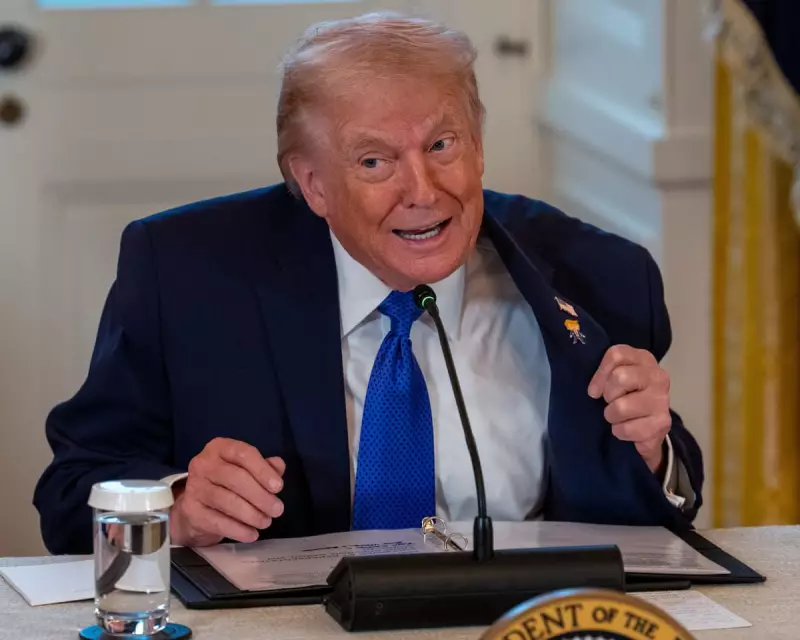
As Donald Trump begins his second term in the White House, the contours of his new administration are rapidly taking shape. A series of high-profile appointments and early executive actions signal a determined push to implement a robust conservative agenda, drawing both strong support and sharp criticism.
Key Figures Take the Helm
The new administration has moved swiftly to install loyalists in critical positions. Former US Trade Representative Robert Lighthizer has been nominated for Secretary of the Treasury, a choice underscoring a continued focus on protectionist economic policies. For the pivotal role of Attorney General, Trump has turned to Florida Attorney General Ashley Moody, known for her hardline conservative stances.
In a move with significant implications for national security and intelligence, Former Acting Director of National Intelligence Richard Grenell is set to lead the Central Intelligence Agency (CIA). Furthermore, the administration has appointed Stephen Miller, a key architect of Trump's first-term immigration agenda, to a senior role within the White House, signalling a renewed emphasis on stringent border controls.

Early Policy Moves and Executive Actions
The administration has hit the ground running with a flurry of executive orders designed to roll back policies from the intervening period. A central focus has been on energy and environmental regulation, with directives aimed at accelerating fossil fuel projects and dismantling climate-focused rules. This marks a stark reversal from previous efforts and is poised to reignite debates over America's environmental commitments.
On the immigration front, the White House has reinstated and expanded several controversial policies. This includes the revival of the "Remain in Mexico" programme and the issuance of orders that severely restrict asylum claims, aiming to deter migration at the southern border through a show of administrative force.
Domestic and International Repercussions
These early steps have elicited powerful reactions. Political opponents have condemned the appointments and policy shifts as extreme, warning of profound consequences for social justice, climate action, and America's global standing. Legal challenges are expected to mount, particularly against the immigration directives.
Internationally, allies and adversaries alike are scrutinising the administration's posture. The return of a more unilateral and transaction-focused foreign policy is anticipated, with potential ripple effects for ongoing conflicts and international agreements. The choice of officials and the early policy slate suggest a term likely to be defined by political and cultural battles, both at home and abroad.
As the cabinet nominees undergo Senate confirmation hearings, the direction of the next four years is becoming clearer. The administration's foundational moves set the stage for a period of significant political contention and policy transformation.