
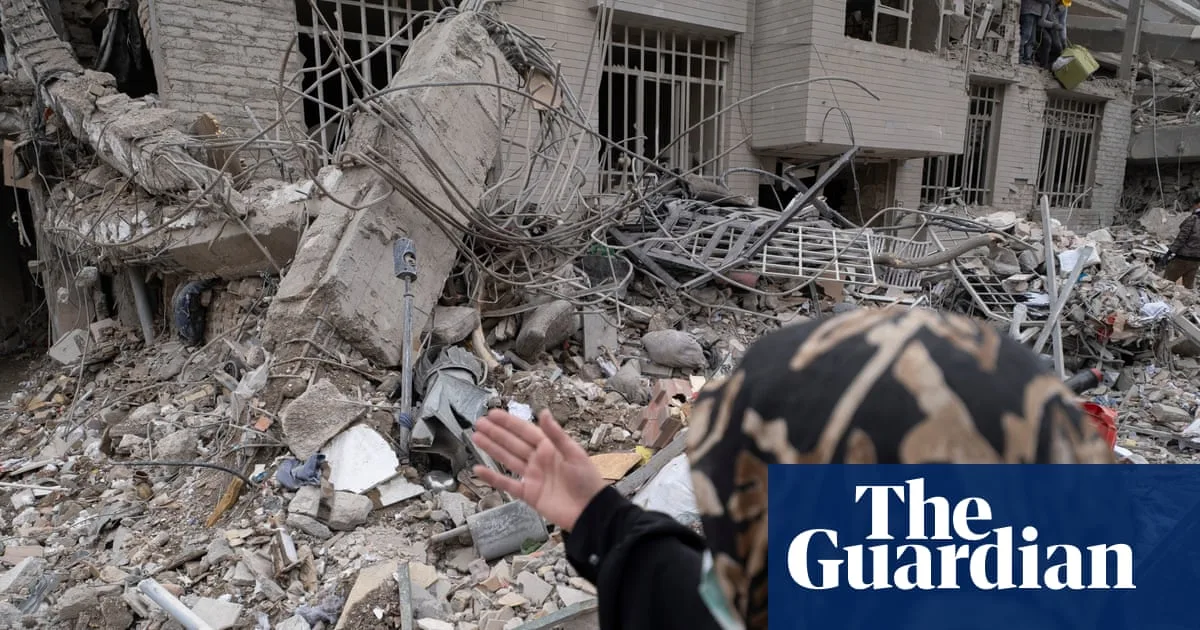
The White House is grappling with the consequences of inadequate preparation for war with Iran, as critics highlight a lack of clear objectives and mounting chaos. The US military campaign, which began with strikes targeting Iranian leadership, has faced significant setbacks, including a deadly missile strike on a girls' school due to outdated targeting data and a drone attack on a US command centre in Kuwait that killed six troops.
The first six days of the conflict cost the US $11.3bn, according to a Pentagon briefing to Congress, though it remains unclear whether this includes the cost of the military buildup or missile defences. Tens of thousands of US citizens were stranded in the region as the State Department hastily organised evacuation efforts. The closure of the Strait of Hormuz by Iran has driven oil prices above $100 a barrel, with the full economic impact yet to be felt.
Former national security adviser Philip Gordon noted that past administrations had extensively war-gamed potential conflicts with Iran but chose diplomacy, such as the 2015 nuclear deal, to avoid such scenarios. He criticised the Trump administration's lack of planning, saying, 'It is surprising that Trump is surprised.' The collapse of interagency processes and erratic decision-making have compounded the problems, according to observers.
While the military campaign has achieved some success, including the killing of Ayatollah Ali Khamenei and senior advisers, the US has struggled to define victory. Michael Rubin of the American Enterprise Institute described the political situation as 'a cluster fuck', stating that the US has 'the targeting, but we don't have a clear goal'. The mission's aims have shifted repeatedly, from backing Iranian protesters to eliminating Iran's nuclear programme, and now to reopening the Strait of Hormuz.




