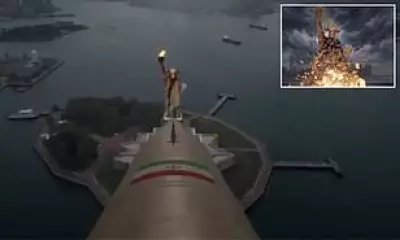
The announcement of military strikes against Iran by Donald Trump has reignited a deep-seated enmity that has simmered between the United States and Iran for nearly half a century. For younger Americans, this conflict may appear sudden, but for those with historical awareness, it represents the culmination of long-standing tensions that have shaped both nations' foreign policies and national psyches.
The Legacy of the 1979 Hostage Crisis
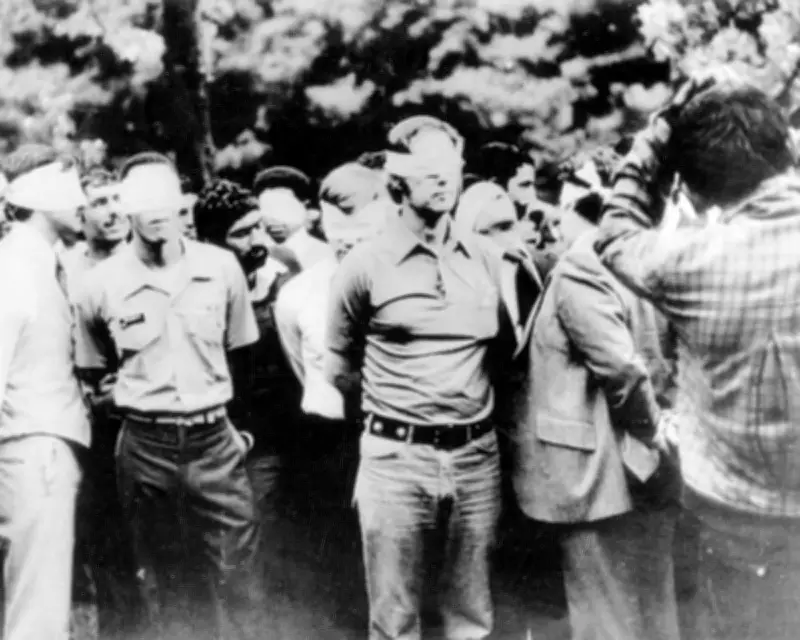
The Islamic revolution of 1979 marked a pivotal moment in US-Iran relations, toppling the pro-western monarchy of Shah Mohammad Reza Pahlavi and inspiring radical political Islamism. This event delivered an immediate trauma to America through the militant takeover of the US embassy in Tehran in November 1979. The subsequent 444-day captivity of 52 American hostages, who were paraded blindfolded and subjected to mistreatment, humiliated the US on the global stage and contributed to the downfall of President Jimmy Carter's administration.
Carter's failed rescue attempt in the Iranian desert, which resulted in the deaths of eight servicemen, intensified national shame. The enigmatic figure of Ayatollah Ruhollah Khomeini, the revolution's spiritual leader, further alienated Americans as Iran adopted strict sharia rule. The hostages were released only after Ronald Reagan's inauguration in 1981, a delay orchestrated by Khomeini to maximize American ignominy.

Deepening Resentments and the Iran-Contra Affair
In the 1980s, Iran's influence continued to haunt US foreign policy. Hezbollah, Iran's Lebanese proxy, began seizing US hostages in Beirut, leading to the Iran-Contra scandal. Reagan's administration secretly supplied weapons to Iran in exchange for hostages, violating congressional embargoes and funneling profits to Nicaraguan rebels. This affair nearly ended Reagan's presidency and deepened the psychic wound between the two nations.
The era's human drama, including widespread media coverage of the embassy siege and Carter's efforts, left an indelible mark on older generations, including Donald Trump, who has frequently criticized Carter as America's worst president. Trump, now openly advocating for regime change in Iran, aims to topple the Islamic republic, capitalizing on its current weakness from mass protests and prior strikes.
Iran's Historical Grievances with the US
While many younger Iranians view America as a symbol of hope, historical grievances fuel regime loyalty. The chant "marg bar Amrika" (death to America) remains a core ideology, rooted in events like Operation Ajax, the 1953 US-British coup that overthrew Prime Minister Mohammad Mosaddegh after he nationalized Iran's oil. This coup solidified the shah's power, with US support seen as puppeteering Iran's modernization against traditional values.
Khomeini's exile in 1964, after condemning the shah for granting legal immunity to Americans, highlighted growing anti-US sentiment. By the 1970s, an estimated 50,000 Americans in Iran, including military personnel, exacerbated cultural estrangement, with incidents like westerners disrespecting mosques in Isfahan. The 1978 protests demanded an end to foreign interference, setting the stage for revolution.
Modern Dynamics and the Illusion of Regime Change
Today, Trump's strikes and calls for regime change reinsert US involvement into Iran, a nation historically resistant to foreign influence. In a reversal, Reza Pahlavi, the shah's son, has endorsed Trump's actions as humanitarian, urging Iranians to reclaim their country from theocratic rule. Reports of demonstrators chanting "javid shah" contrast sharply with past anti-monarchy slogans.
However, the Islamic regime has shown ruthless determination to suppress dissent, killing protesters to retain power. This makes regime change a desired but potentially elusive goal. As historical reflections blur with current conflicts, the deep-rooted US fixation on Iran and vice versa continues to drive geopolitical tensions, with both nations grappling with legacies of intervention and resentment.