Trump's Military Threat Against Iran Sparks Regime Change Speculation
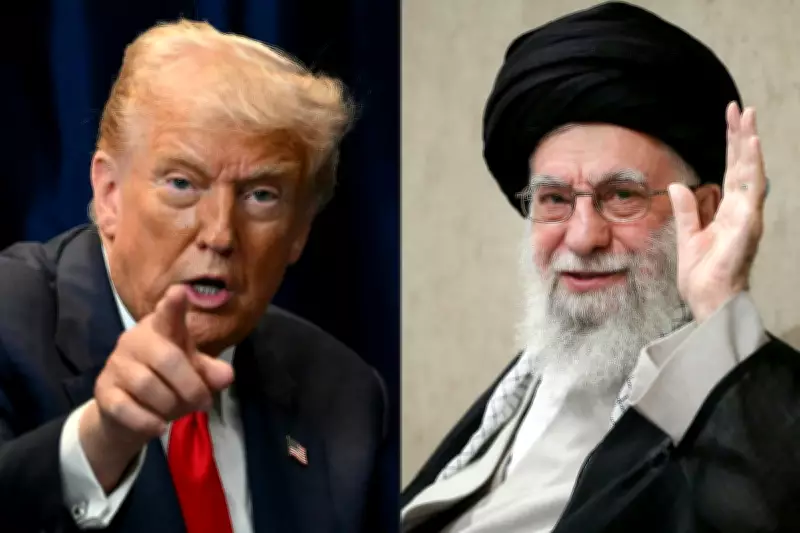
US President Donald Trump is intensifying pressure on Iran, with the threat of a military strike looming large as part of efforts to secure a new nuclear deal. The potential consequences of such action could be profoundly far-reaching for the Iranian regime, according to analysis by Camelia Entekhabifard. As both nations appear to edge toward military confrontation, diplomatic talks continue in what are described as the final hours for reaching an agreement.
Escalating Military Buildup and Diplomatic Deadlines
The longstanding dispute over Iran's nuclear programme has persisted for decades. Following US strikes against Iranian nuclear sites last summer that likely failed to fully destroy them, President Trump is reportedly considering renewed military action. A significant US military buildup, including naval forces, bombers, and other equipment stationed around the Persian Gulf, suggests preparations are advancing rapidly, potentially outpacing diplomatic or technical negotiations.
In a crucial interview with Fox News, Steve Witkoff, President Trump's special envoy in negotiations with Iranian representatives, outlined three key points. First, he claimed Iran is merely about a week away from assembling materials needed for a nuclear bomb, a statement that could justify immediate US military action. Second, he stated Trump's ultimate objective is for the Islamic Republic to surrender. Third, and most notably, he acknowledged meeting Crown Prince Reza Pahlavi, an exiled opposition figure, at Trump's instruction, describing him as a strong individual concerned about his country.

Internal Dissent and External Intervention
Witkoff's remarks imply that Iran may soon acquire nuclear weapons, necessitating military action; that Tehran faces a final 48-hour deadline to yield; and that contacts have been made with potential future leadership should the regime fall. Perhaps for the first time in Iran's history, substantial numbers of Iranians both domestically and abroad are expressing support for foreign military intervention to remove the clerical dictatorship.
This sentiment follows harsh crackdowns on protesters, with human rights sources and even the US president reporting over 30,000 killed in two days during the Iranian month of Dey (January 2026). Many Iranians now seek the Islamic Republic's overthrow, viewing Trump's presence and the US military buildup as the best opportunity to achieve this goal. They argue there is no peaceful path to change, and continued clerical rule would mean more repression, poverty, and violence.
Opposition Figures and Humanitarian Calls
Prince Reza Pahlavi, who has pledged loyalty to Iran's constitutional monarchy, national flag, and territorial integrity, is now calling for US humanitarian intervention to support Iranians seeking freedom. Social and political activists inside Iran suggest any military action should target the regime's top leadership alongside nuclear and military sites, arguing strikes on facilities alone would weaken but not topple the Islamic Republic.
While some fear foreign attacks could destroy infrastructure, trigger chaos, and increase bloodshed, others believe they are already living in what they describe as a dark prison without basic needs or prospects, and that war might bring a decisive end to their situation. Iranians emphasize they do not want a nuclear deal but a government reflecting their will, with clean air and water, social welfare, cultural roots, freedom, and security—all denied by the current regime.
Regime Response and Uncertain Future
Regime officials still hope agreements with the International Atomic Energy Agency could shield them from US pressure and avert war. However, time is running out, with Witkoff indicating Trump will not grant delays. The tone of Supreme Leader Ali Khamenei suggests the regime is preparing to walk away from talks and brace for war, possibly initiating hostilities first to reduce surprise from the US or Israel.

Whether such attacks would change Iran's ruling system after 47 years remains uncertain, depending on events in coming days and the Iranian people's response. Iran faces unprecedented circumstances, making major military action unfamiliar and unpredictable. Ultimately, this conflict is not merely between Iran and the United States but represents a war between the mullahs and Iran itself, with the clerical regime engaged in its final battles against the country's essence.