Unprovoked US-Israeli Strike on Iran Ignites Global Crisis Fears
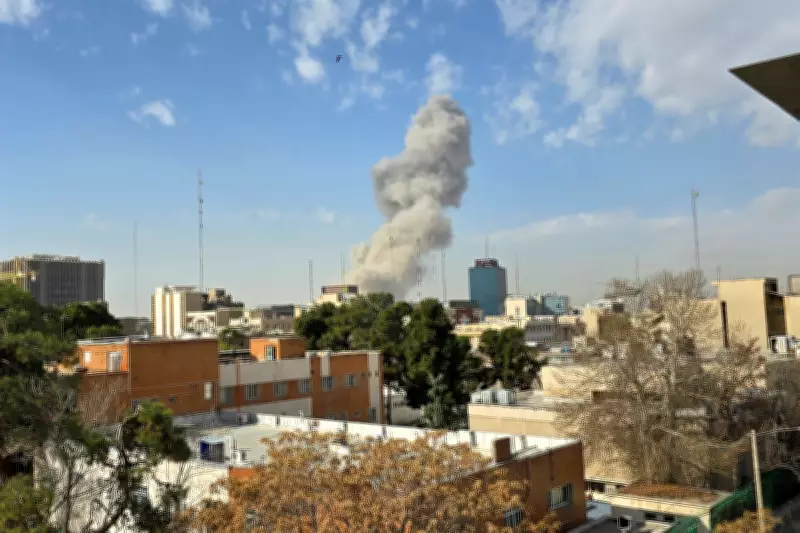
In a dramatic escalation of Middle East tensions, American and Israeli forces have launched an unprovoked military assault against Iran, described by former President Donald Trump as a "major combat operation." This aggressive action, which has already triggered retaliatory Iranian airstrikes across the region, risks unleashing a wave of terrorism, widespread instability, and a dangerous new era of nuclear proliferation.
Immediate Fallout and Regional Backlash
Citizens throughout the Middle East have been urgently advised to seek shelter as Iranian forces respond to the surprise attack. The shockwaves from this conflict extend far beyond the immediate blast zones, with global implications from London to Bangkok becoming increasingly apparent. This military action follows Israel's devastating campaign in Gaza, which resulted in approximately 80,000 casualties and widespread destruction, alongside continued territorial expansion in the West Bank.
Analysts warn that the assault on Iran will provoke a violent backlash similar to the Gaza conflict, potentially fueling terrorist activities and deepening civilizational divides that organizations like ISIS and al Qaeda could exploit. The attack has been characterized as part of a "rogue order" led by Trump that authoritarian regimes worldwide may embrace, while many Muslims and non-Muslims perceive it as an assault on Islam itself.

Iran's Troubled History and Regional Influence
Iran's government, under successive Ayatollahs since the 1979 revolution, has indeed been a destabilizing force across the Middle East. The regime has been implicated in numerous regional conflicts, including supporting the Assad government in Syria, exacerbating sectarian tensions in Iraq, and backing Hamas militants during the October 2023 attacks and subsequent rocket campaigns against Israel.
Furthermore, Iran's Islamic Revolutionary Guard Corps controls approximately 40% of the national economy while supporting proxy groups like Hezbollah in Lebanon and the Houthis in Yemen. These organizations have engaged in activities ranging from drug trafficking and organized crime to maritime attacks in the Red Sea. Iran has repeatedly threatened Israel's existence and pursued nuclear capabilities despite previous agreements.
The Nuclear Proliferation Dilemma
The most alarming consequence of this attack may be its impact on global nuclear non-proliferation efforts. Trump previously dismantled the nuclear deal negotiated by the Obama administration, which had partially restrained Iran's program. Now, the unprovoked military strike creates a dangerous precedent where national leaders may feel compelled to develop nuclear weapons for self-preservation.
This perception is reinforced by recent geopolitical events: Russia's invasion of Ukraine occurred after Ukraine relinquished its substantial nuclear arsenal, while Venezuela's government faces American intervention without nuclear deterrents. Nations like Saudi Arabia are now reconsidering their nuclear options, potentially triggering a new arms race.
Undermining International Law and Institutions
The attack fundamentally challenges the authority of international institutions like the United Nations and the concept of international law itself. Trump's actions in Venezuela, where he seized oil revenues through military intervention, and his acceptance of Russian territorial claims in Ukraine demonstrate a pattern of bypassing established diplomatic channels.
This approach sends a clear message to the global community: survival in the current geopolitical landscape may require the capability to threaten catastrophic retaliation. The world now faces not only immediate regional conflict but also the long-term consequences of eroded international norms and accelerated nuclear proliferation.