Trump's Mixed Iran Messages Create Opening for Russian Sanctions Relief
President Donald Trump has delivered bafflingly contradictory statements regarding the ongoing conflict with Iran, simultaneously suggesting the war is nearly complete while declaring the United States has not yet "won enough." This strategic confusion has created a significant opportunity for Russian President Vladimir Putin, who stands to benefit from potential American sanctions relief that could inject billions into Moscow's war economy.
Conflicting Statements on Iran Conflict Timeline
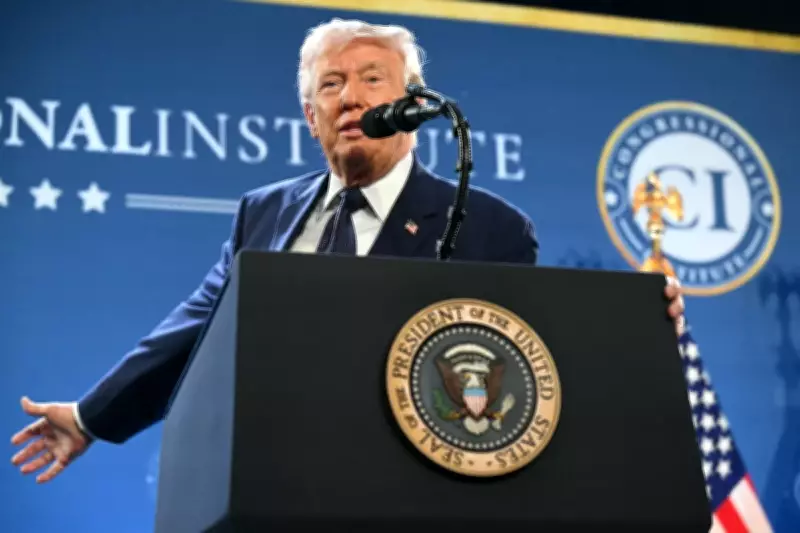
During recent public appearances, Trump offered dramatically different assessments of the Iran situation within hours of each other. Initially declaring the conflict "very complete" and suggesting it would end soon, the president later reversed course by stating military operations must continue because America has not achieved sufficient victory. This contradictory messaging has created uncertainty in international oil markets and raised questions about the administration's strategic direction.
Trump's "secretary of war" Pete Hegseth attempted to clarify the situation by promising intensified strikes against Iranian targets and warning of catastrophic consequences if Tehran interferes with Gulf oil exports. Despite these efforts, the mixed signals have persisted, creating openings that other global powers have been quick to exploit.

Sanctions Relief Proposal Benefits Russian Economy
At a press conference addressing rising oil prices, Trump unveiled plans to waive certain oil-related sanctions to reduce fuel costs for American consumers. While not explicitly naming specific countries, administration officials and analysts confirm the proposal primarily targets Russia, whose oil exports to India and China would receive significant relief under the plan.
This potential policy shift comes despite Russia's ongoing role in supporting Iranian military operations. Western intelligence reports confirm that Putin's government has provided targeting information to Tehran, information that has reportedly assisted Iranian attacks on US bases in the Gulf region where at least six American service members have been killed.
Ukrainian Vulnerability Increases Amid Strategic Shifts
The proposed sanctions relief carries profound implications for Ukraine's defense against Russian aggression. A return to full Russian oil export capacity would add approximately $50 billion annually to Moscow's war chest, providing crucial funding for military operations at a time when Ukrainian forces have shown signs of regaining battlefield initiative.
Ukrainian President Volodymyr Zelensky has repeatedly warned that the Middle East conflict has left his country increasingly vulnerable. This vulnerability has been exacerbated by the diversion of critical air defense systems, including Patriot and THAAD weapons originally deployed against Russian ballistic missiles, to the Gulf region for protection against Iranian attacks.
Economic and Political Calculations Drive Policy Decisions
The Trump administration's approach appears driven by multiple calculations, including domestic political considerations and potential economic benefits. The Iran conflict has caused crude oil prices to surge toward $120 per barrel, increasing costs for American consumers and creating political pressure on the administration.
Trump's MAGA political base has expressed concern about the president's military engagement in Iran, given his previous commitments to withdraw from Middle Eastern conflicts. By proposing sanctions relief that could lower fuel prices, the administration may be attempting to address these domestic political challenges while advancing other strategic objectives.
Behind-the-Scenes Negotiations and Business Interests
High-level discussions between American and Russian officials have been ongoing for months, with Kremlin investment envoy Kirill Dmitriev meeting repeatedly with Trump's "peace" envoy Steve Witkoff. These conversations have reportedly included discussions of massive economic opportunities for American businesses, with potential investments reaching an astonishing $12-14 trillion in various sectors including oil, gas, and minerals.

This extraordinary "peace dividend" would theoretically become available only if a comprehensive agreement ending the Ukraine conflict were reached. However, critics argue that lifting sanctions prematurely would strengthen Russia's negotiating position and potentially accelerate Ukrainian capitulation to Moscow's demands, which include surrendering established defensive positions in eastern Ukraine.
International Reactions and Strategic Implications
Ukrainian officials have expressed grave concerns about the potential sanctions relief. Oleksandr Morezkho, chairman of the Ukrainian parliament's foreign affairs committee, emphasized that "if Trump sincerely wants to bring peace to Ukraine, the only way to do it is by depriving Russia of its oil revenues, because those revenues feed the Russian war machine."
The situation contains significant ironies, as Ukraine has reportedly deployed drone experts and defensive systems to the Gulf region to help protect American and allied forces from Iranian attacks, even as the US administration considers policies that would strengthen Russia's military capabilities against Ukraine.
As Treasury Secretary Scott Bessent confirms ongoing discussions about potentially freeing more Russian oil from sanctions, the strategic landscape continues to evolve in ways that increasingly benefit Moscow while creating new challenges for American allies and strategic objectives in multiple theaters.