Trump's 15-Point Iran Peace Plan 'Doomed to Fail' as Experts Warn of Military Deadlock
Trump's Iran Peace Plan 'Doomed' as Experts Warn of Military Deadlock

Trump's 15-Point Iran Peace Plan 'Doomed to Fail' as Experts Warn of Military Deadlock

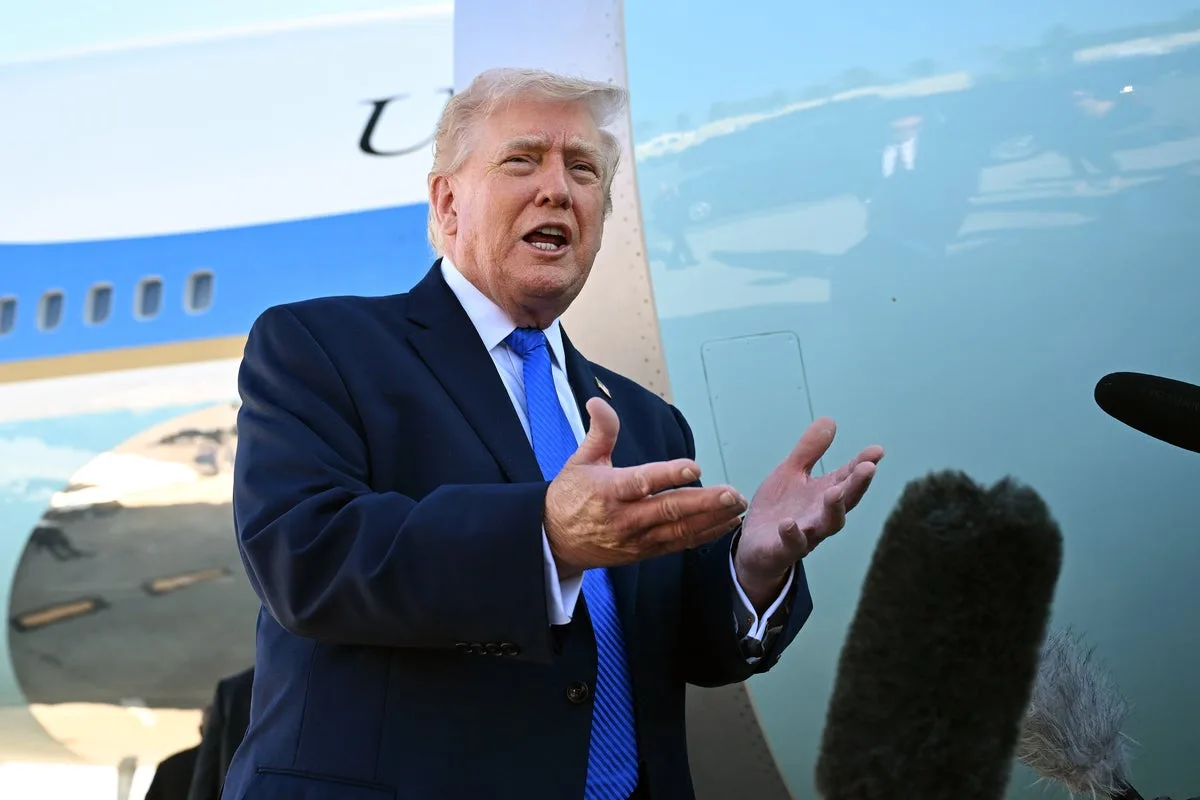
President Donald Trump insists that negotiations with Iran to conclude the ongoing conflict are advancing "very well", following the transmission of a 15-point action list of demands through mediators. However, Tehran has publicly dismissed the proposals as "excessive", "maximalist", and "unreasonable", casting severe doubt on any imminent diplomatic breakthrough.

Iran Rejects US Claims of Progress

While the White House remains unusually reticent about the specific contents of the proposal and has not disclosed the identity of its supposed negotiation partners, Iranian officials explicitly deny that any substantive discussions are even occurring. A senior source informed Reuters that Iranian reviewers perceived the plan as solely serving US and Israeli interests, though they noted that diplomatic channels technically remain open.

Analysts speaking to The Independent have underscored a critical impasse: despite American assertions of success, the conflict cannot be resolved militarily. One month into the war, Iran perceives itself to hold the strategic advantage. Eroded mutual trust severely hampers the potential for any US diplomatic breakthrough, with an emboldened Iran likely to interpret any truce offer as a form of surrender.

Wide Pickt banner — collaborative shopping lists app for Telegram, phone mockup with grocery list

Details of the Controversial Proposal

The precise details of the 15-point plan have not been officially confirmed by the White House. Information has instead emerged via a combination of leaks from Iranian officials and media reports. According to intermediaries, the proposal encompasses:

  • Restraints on Iran's nuclear programme, including enhanced monitoring by the UN's International Atomic Energy Agency (IAEA).
  • The dismantling of key nuclear infrastructure at sites such as Natanz, Isfahan, and Fordow, with all enriched uranium to be handed over.
  • A permanent commitment from Iran to never develop nuclear weapons.
  • An end to Iran's support for regional proxy groups and a curb on its ballistic missile programme.
  • A proposed 30-day ceasefire and the reopening of the strategically vital Strait of Hormuz.

Reports briefly mention potential US assistance in developing a civilian nuclear power industry for Iran and the removal of sanctions, positioning this deal as far broader in scope than previous nuclear-focused negotiations.

Experts Analyse a Flawed Strategy

Andreas Krieg, a senior lecturer at King's College London's School of Security Studies, noted that the demands mirror those the US has presented multiple times over the past year. The crucial difference now is the context: "zero mutual trust and a geopolitical standoff where Iran has better cards to play than the US."

Krieg argued that the war has actually weakened the US bargaining position, revealing Iran's "much, much higher" pain threshold. "Trump has essentially no alternative to a diplomatic settlement. There is no military way out for him. His offer is taken by Iran as surrender," he stated.

Comparison to the 2015 Nuclear Deal

Analysts unanimously agree this latest proposal is significantly more expansive than the 2015 Joint Comprehensive Plan of Action (JCPOA), from which Trump withdrew in 2018. Dr. Burcu Ozcelik, a senior research fellow for Middle East Security, explained that the reported plan "goes well beyond" the JCPOA's narrow nuclear focus and "cuts into the military and regional pillars of Iran's power."

"From what has been reported, the 15-point plan echoes positions the US has pressed before. If true, then this is not JCPOA-style diplomacy revisited so much as a more maximalist set of terms that Tehran is bound to reject," Dr. Ozcelik told The Independent.

Prospects for Acceptance Remain Virtually Nil

Jason M. Brodsky, policy director at United Against Nuclear Iran (UANI), characterised Trump's plan as a more "expansive and restrictive" framework compared to the JCPOA. He suggested Iran is currently defying it because "it thinks that it is winning."

Pickt after-article banner — collaborative shopping lists app with family illustration

Dr. Ozcelik added a note of strategic caution, warning that while the US may possess increased "coercive power" after a month of conflict, this does not automatically translate into diplomatic leverage. She posited that the approach could still be a "classic Trumpian negotiating tactic", intended as an aggressive opening position from which the US might later make concessions. However, with Iran firmly rejecting the premise and confident in its strengthened position, the immediate outlook for the 15-point plan appears overwhelmingly bleak, with experts deeming it doomed to failure under the current wartime conditions.




