Former Wall Street Journal Editor Delivers Scathing Critique of Trump's Iran Statements
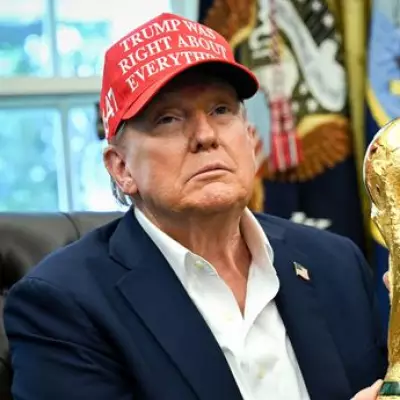
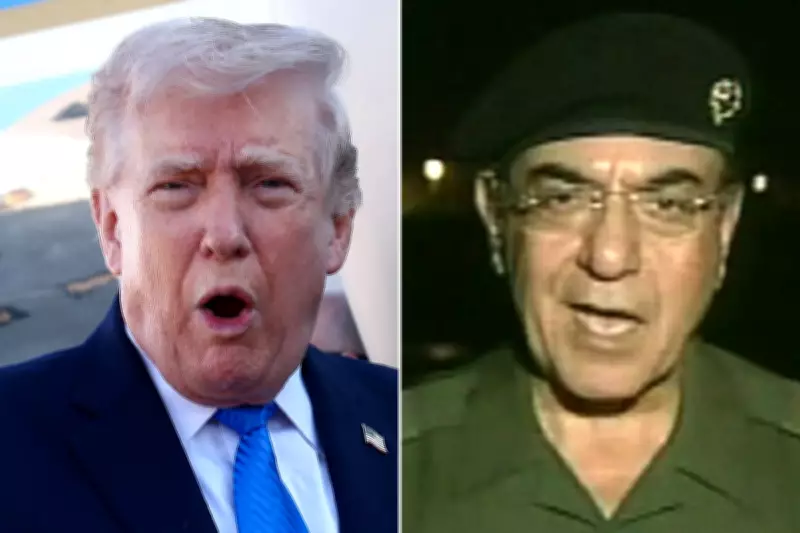
In a striking comparison, Gerard Baker, a prominent journalist and former editor-in-chief of the Wall Street Journal, has equated President Donald Trump's recent messaging on Iran with the notorious propaganda of Saddam Hussein's chief spokesperson during the 2003 Iraq invasion, widely known as "Baghdad Bob." This damning verdict comes as Iranian officials have repeatedly denied any negotiations with the United States, directly contradicting Trump's claims.
Conflicting Narratives Emerge Amidst Tensions
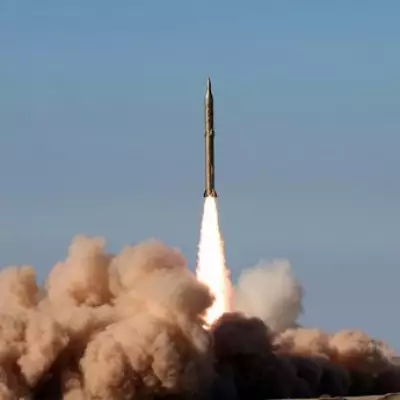
President Trump took to Truth Social to announce in a lengthy, all-caps post that the U.S. and Iran had engaged in "very good and productive conversations" over two days, aiming for a "complete and total resolution" of hostilities. He stated that military strikes against Iranian infrastructure were postponed for five days, pending further discussions. However, Iran's state-controlled media swiftly refuted this, asserting there had been "no direct or indirect contact" and accusing Trump of attempting to manipulate energy prices and buy time for military plans.
Gerard Baker, now an editor-at-large for the WSJ and a columnist for The Times, highlighted the credibility gap. He wrote that Americans are in an "unprecedented position" where the enemy's version of events might be more believable than their own president's, bluntly concluding, "We have become Baghdad Bob." This sentiment was echoed by Edward Luce of the Financial Times, who noted the bizarre scenario of relying on Iranian statements to verify U.S. presidential claims.

International Reactions Add Complexity to the Situation
Adding another layer to the controversy, U.K. Prime Minister Keir Starmer confirmed to Parliament that talks between Trump's representatives and Iranian officials had occurred, with his government aware of them. Yet, Iran's parliament speaker denied any negotiations on the same day, deepening the confusion. The comparison to Mohammed Saeed al-Sahhaf, nicknamed "Baghdad Bob" for his wildly inaccurate and optimistic war reports during the 2003 invasion, underscores concerns about misinformation in modern conflicts.
Al-Sahhaf, now 85, became infamous for claims like invading forces "committing suicide under the walls of Baghdad," despite Iraq's swift defeat. After the war, he was captured but not charged, later working as a commentator in the UAE. This historical context amplifies Baker's critique, suggesting a troubling parallel in how information is disseminated during geopolitical crises.
The White House has been contacted for comment, but as tensions simmer, the episode raises critical questions about transparency and trust in international diplomacy, with experts warning that such discrepancies could escalate misunderstandings in an already volatile region.