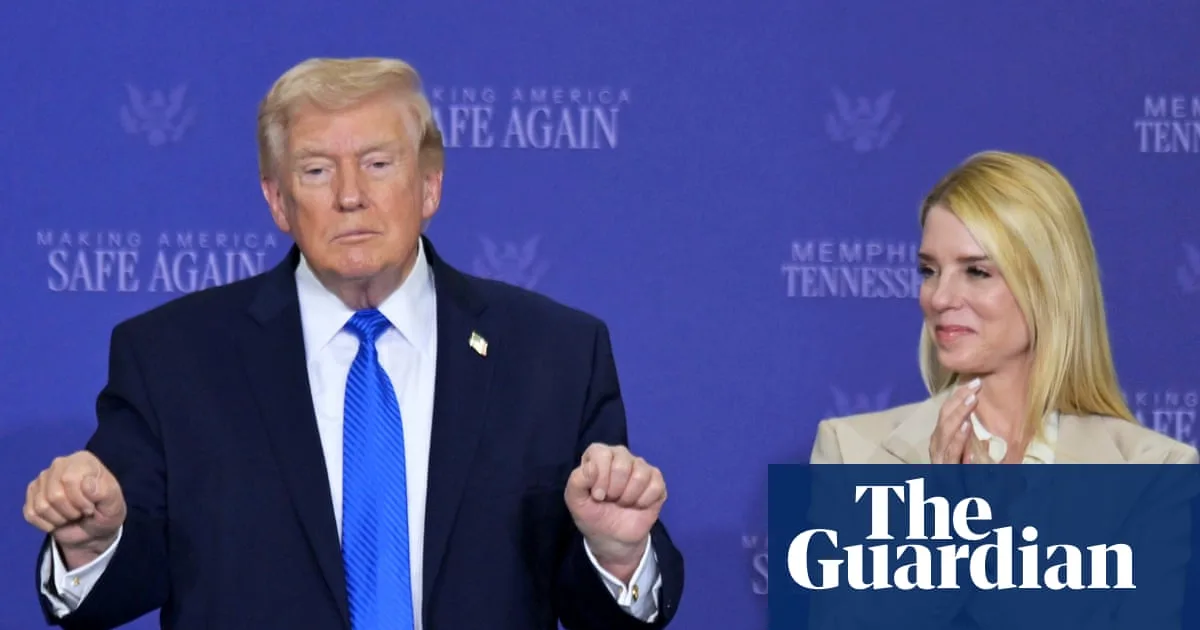
US President Donald Trump has claimed 'productive' talks with Iran, saying the two sides reached 'major points of agreement,' but Tehran has denied any contact since Washington began bombing the country 24 days ago. Trump had previously vowed to destroy Iran's power stations and energy infrastructure within 48 hours unless the Strait of Hormuz was reopened, but on Monday he extended the deadline by five days, hours before US markets opened.
Israel's military launched a new wave of strikes on Tehran on Monday, but said energy infrastructure would be spared, suggesting it may follow Washington's pause on hitting such sites. Iran's Revolutionary Guards also reported a fresh attack on targets in Israel. A European official said no direct negotiations had occurred, but Egypt, Pakistan and Gulf states were relaying messages. A Pakistani official and another source told Reuters that direct talks could be held in Islamabad this week, with Trump, JD Vance, Steve Witkoff and Jared Kushner expected to meet Iranian officials.
At least 1,500 people have been killed in Iran during the war, with some rights groups reporting figures as high as 3,230 as of 21 March. The conflict has also contributed to surging fuel prices affecting people from India to Wales.
In other US news, the Senate confirmed Markwayne Mullin as secretary of the Department of Homeland Security, replacing Kristi Noem. The vote was 54-45, largely along party lines, with Rand Paul the sole Republican opposing and John Fetterman and Martin Heinrich the only Democrats in favour. Half of Americans now want ICE abolished, and ICE agents were deployed to US airports on Monday amid chaos, with security lines stretching for hours after many TSA agents refused to work due to the partial DHS shutdown.
A safety watchdog reported a surge in AI-generated child sexual abuse material online in 2025, with offenders manipulating imagery of children known to them. A Canadian flight attendant survived being ejected more than 100 metres from a plane that crashed at LaGuardia airport on Sunday night. Bill Cosby was found guilty of sexual assault and ordered to pay $59.25m in damages to Donna Motsinger for an alleged 1972 incident.
A study found that small behavioural changes, such as getting an extra 11 minutes' sleep each night, briskly walking 4.5 additional minutes, and eating an extra quarter cup of vegetables daily, could significantly reduce the risk of a heart attack.