
Donald Trump's announcement of a 'framework of a future deal' on Greenland has been met with profound scepticism from the Arctic territory, even as financial markets rebounded and European leaders welcomed a reprieve from further tariffs. The US president used his speech at the World Economic Forum to insist he wanted Greenland, 'including right, title and ownership', but later backed away from more bellicose threats of military intervention.
Trump took to social media to announce 'the framework of a future deal with respect to Greenland' and withdrew the threat of tariffs against eight European countries. He later called it 'a concept of a deal' in an interview with CNBC. Danish foreign minister Lars Løkke Rasmussen said: 'The day ended better than it started. Now, let's sit down and find out how we can address the American security concerns in the Arctic while respecting the red lines of the Kingdom of Denmark.'
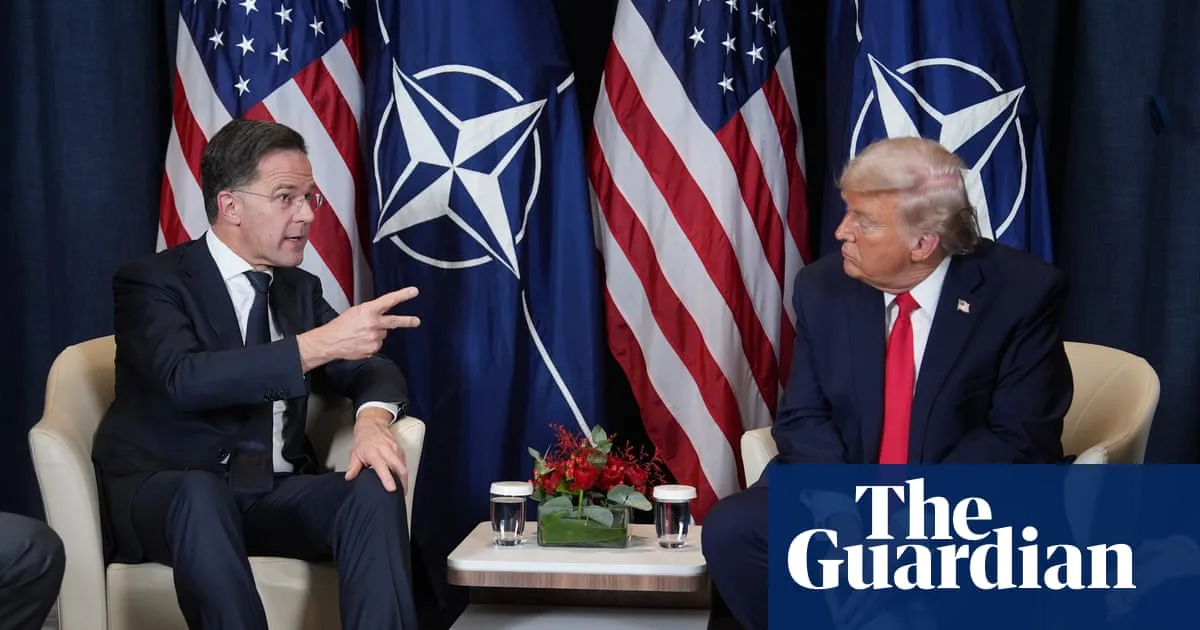
Nato secretary-general Mark Rutte, who negotiated Wednesday's deal with Trump, issued a note of caution, saying there remained 'a lot of work to be done'. When asked by Fox News if Greenland would remain part of the Kingdom of Denmark under the deal, Rutte said the issue had not come up. A Nato spokesperson later stated that Rutte did not propose any compromise on Greenland's sovereignty during his talks with Trump.
There was anger from some Danish MPs, including Sascha Faxe, who was angered by Greenland's exclusion from the negotiations. 'It's not real negotiations; it's two men who have had a conversation. There can't be a deal without having Greenland as part of the negotiations,' she told Sky News. According to media reports, the compromise deal could see the US granted sovereignty over small pockets of Greenland where military bases are located, similar to the UK's bases in Cyprus. The framework would also potentially allow the US to mine for rare earth minerals without seeking permission from Denmark.
It remains unclear whether Denmark has signed up to the deal. Aaja Chemnitz Larsen, a Greenlandic member of the Danish parliament, said the idea that Nato should have anything to say about the territory's sovereignty or minerals was 'completely out of the question'. Sweden's foreign minister Maria Stenergard said the work of Europe's allies has 'had an effect' and reiterated that they would not be 'blackmailed'. The Dutch prime minister Dick Schoof called Trump's decision to waive threatened tariffs a sign of 'de-escalation'.
Others pointed to wobbles on the financial markets after Trump's hawkish comments on Tuesday led to a sharp selloff. Global markets rebounded on Wednesday after Trump announced the framework deal and reneged on his threat of tariffs. 'The market bounced when he said we wouldn't use force,' said Mark Hackett, chief market strategist at Nationwide in Boston.




