Nations wishing to retain their membership on a proposed 'Board of Peace' for Gaza, spearheaded by Donald Trump, will be required to contribute a staggering $1 billion within the first year, according to emerging reports. A draft document outlining the board's structure grants Trump, as its chairman, sweeping control over funds and decision-making.
The $1 Billion Price Tag for Lasting Peace
The reported financial demand forms a central pillar of the proposed board's framework. The condition stipulates that any country wanting to stay on the board for more than three years must commit the substantial sum within the initial 12-month period. This fund is ostensibly intended to support the board's ambitious stated mission: to “promote stability, restore dependable and lawful governance, and secure enduring peace in areas affected or threatened by conflict.”
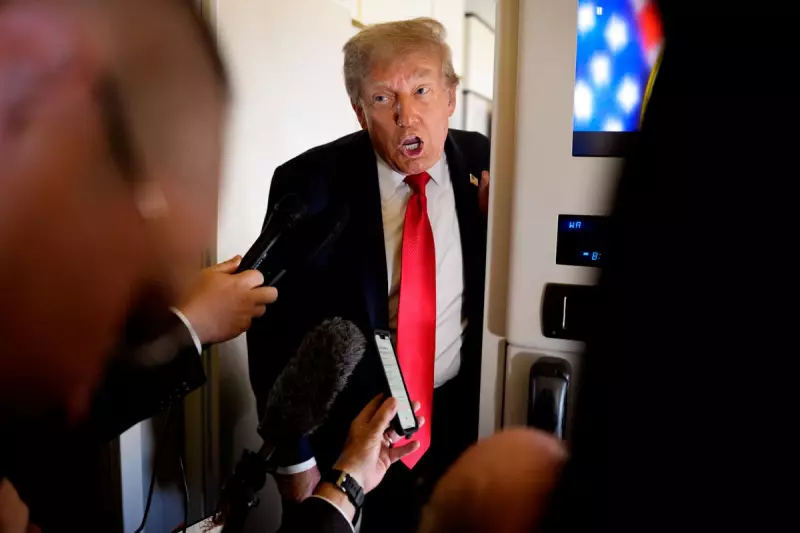
The draft document, as reported, positions the former US President firmly at the helm. Donald Trump would serve as the board's chairman, wielding significant authority. His powers would reportedly include controlling the board's finances, approving all major decisions, and even designating his own successor.

Controversial Figures and Global Reactions
The initial membership list has already drawn attention for its high-profile and, in some cases, contentious selections. Alongside Trump, the announced founding members include:
- Sir Tony Blair, the former British Prime Minister.
- Marco Rubio, the US Republican Senator.
- Jared Kushner, Trump's son-in-law and former White House adviser.
The inclusion of Sir Tony Blair is viewed as particularly controversial. His legacy remains deeply shaped by his role in the 2003 invasion of Iraq, and he is often perceived as having a close alignment with Israel. His appointment to a board focused on Gaza peace is likely to provoke significant debate and scrutiny from various quarters.
Power Structure and Unanswered Questions
The proposed concentration of power within the board raises immediate questions about its governance and transparency. With Trump reportedly holding unilateral control over funds and approvals, the mechanism for collective decision-making among member nations appears limited. The ability to personally designate a successor further entrenches a model of centralised authority rarely seen in international peace initiatives.
As the details emerge from draft documents, the international community is left to ponder the viability and implications of such a model. The $1 billion membership fee sets a unprecedented financial barrier for participation, while the reported power structure challenges conventional diplomatic frameworks for conflict resolution. The development marks a significant and unorthodox proposal for addressing the complex situation in Gaza.