Former United States President Donald Trump has publicly detailed the initial stage of a proposed ceasefire plan aimed at ending the ongoing conflict between Israel and Hamas in Gaza. The announcement, made on Saturday, has drawn a measured and non-committal response from Israeli Prime Minister Benjamin Netanyahu.
The Core of Trump's Proposal
In a significant intervention into international diplomacy, Trump outlined what he termed the "first phase" of a strategy to halt the fighting. The proposal, as revealed, involves a conditional ceasefire linked directly to the release of hostages still held by Hamas in the Gaza Strip. While specific timelines were not fully disclosed, the plan suggests a structured process where hostilities would pause in exchange for the captives' freedom.
The former president's statement emphasised a "step-by-step" approach, positioning this initial phase as a foundation for more complex, longer-term discussions about Gaza's future and regional security. This move marks one of Trump's most detailed forays into foreign policy since leaving office, attempting to leverage his prior experience in Middle East negotiations during his presidency.
Netanyahu's Guarded Reaction
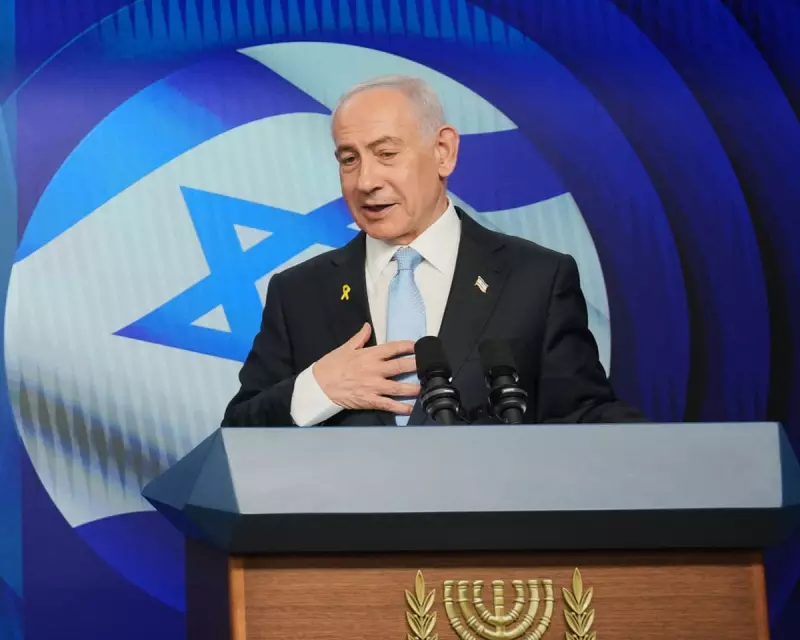
The Israeli government's response, delivered by Prime Minister Netanyahu, was notably cautious. Netanyahu confirmed that Israeli officials had received the plan and were examining its contents. He stopped short of endorsing the proposal, stating that Israel's "security needs" and the safe return of all hostages remained the country's paramount objectives.
This reticence underscores the politically delicate moment for Netanyahu's coalition government. With military operations continuing in Gaza, any public consideration of a ceasefire proposal from a foreign political figure, especially one as polarising as Trump, requires careful handling. The Israeli leader's statement effectively acknowledged the plan without committing to its adoption, leaving the door open for further evaluation or potential negotiation.
Context and Potential Implications
The unveiling of this plan occurs against a backdrop of prolonged and devastating conflict. The war, which began with Hamas's attacks on Israel on 7 October the previous year, has resulted in extensive casualties and a humanitarian crisis in Gaza. Multiple international attempts at brokering a lasting truce have previously stalled, often breaking down over issues related to the permanence of a ceasefire and the long-term governance of Gaza.
Trump's re-entry into this diplomatic arena introduces a new variable. His proposition appears designed to break the deadlock by focusing on a single, immediate humanitarian issue—the hostage release—as a catalyst for a temporary pause. The success of such a plan would hinge on acceptance by both Israel and Hamas, as well as the logistical details of the exchange. Furthermore, it raises questions about the role of the current US administration and other international mediators in any process initiated by a former president.
The international community will be watching closely to see if this "first phase" gains traction or becomes another stalled initiative. The primary obstacles remain the fundamentally opposing demands of the warring parties: Israel's goal of dismantling Hamas's military capabilities versus Hamas's demand for a permanent end to the war and full Israeli withdrawal.
For now, the proposal sits on the table, met with official Israeli scrutiny but no outright rejection. Its future likely depends on behind-the-scenes discussions and whether it can be aligned with the core security and political imperatives of the Israeli government while also being deemed acceptable to Hamas through intermediary channels.