Trump Confronts Critical Iran War Decision: Deploy Troops to Secure Uranium?
President Donald Trump is grappling with perhaps the most daunting question of the ongoing war with Iran, a decision that could profoundly define his tenure in office. The central issue is whether he will authorize the deployment of U.S. troops on Iranian soil to secure approximately 970 pounds of enriched uranium, material that Tehran could potentially use to construct nuclear weapons.
Shifting Objectives and Nuclear Pledges
Trump has presented varying justifications for initiating the conflict, yet he has remained steadfast in articulating a primary goal: ensuring that Iran will never possess a nuclear weapon. This objective has been a consistent theme since joining Israel in military actions against Iran. However, the president has been notably more circumspect regarding the extent to which he is willing to go to fulfill his pledge to dismantle Iran's weapons program permanently, including the seizure or destruction of near-bomb-grade nuclear material currently in Iran's possession.
The Risky Ground Operation
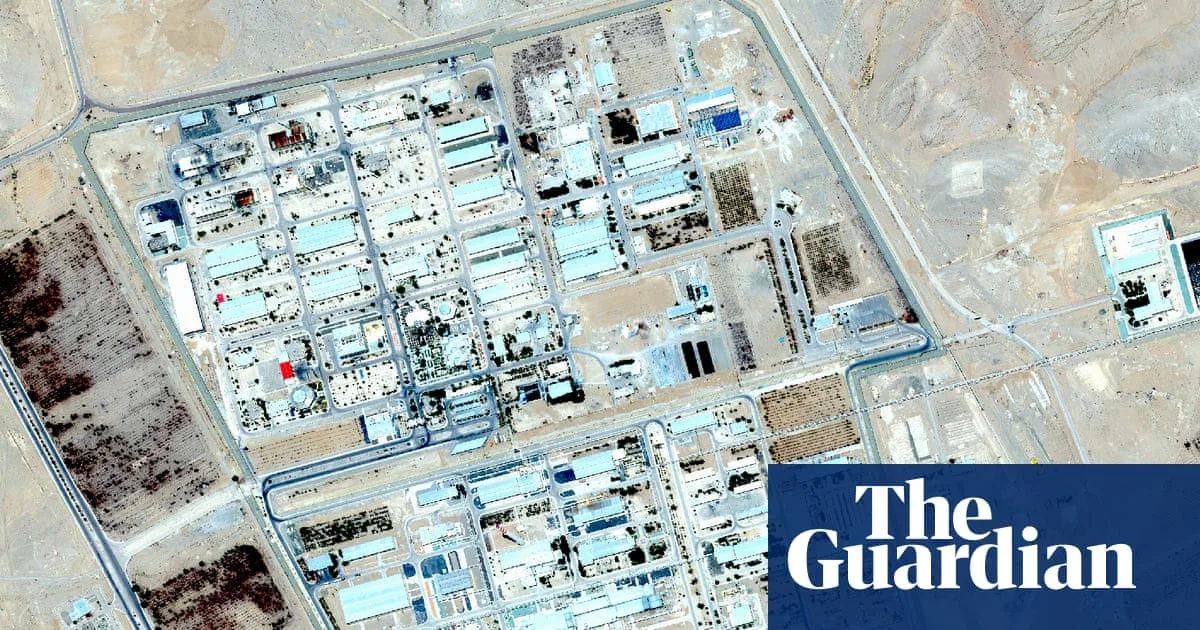
Much of this enriched uranium is believed to be buried under the rubble of a mountain facility that was heavily damaged in U.S. bombings ordered by Trump last June, strikes he claimed had obliterated Tehran's nuclear program. Extracting or neutralizing this material presents a risky and complex challenge. Many nuclear experts assert that such an operation cannot be accomplished without a significant deployment of U.S. troops into Iran, a move fraught with danger and political complications for the Republican president. Trump has previously vowed to avoid entangling the United States in prolonged and bloody Middle East conflicts, which continue to weigh heavily on the national psyche.
Lawmaker Concerns and Strategic Imperatives
Simultaneously, lawmakers and experts express deep concerns that if hard-line factions emerge from the current fighting in Iran, they may be more motivated than ever to pursue nuclear weapons as a deterrent against future U.S. and Israeli military actions. This dynamic underscores the critical importance of gaining control over Iran's enriched uranium stockpile, which could potentially allow for the construction of up to 10 nuclear bombs if weaponized.
Senator Richard Blumenthal, a Democrat from Connecticut and a member of the Senate Armed Services Committee, voiced apprehension about the president's approach. He warned that Trump has set the nation on a path that may necessitate placing troops inside Iran to achieve what he described as confused and chaotic objectives. Blumenthal emphasized that securing the uranium cannot be done without a physical presence on the ground.
Republican Perspectives and Operational Plans
On the other side of the aisle, Republican allies of Trump highlight that plans are in place to address the enriched uranium issue. Senate Foreign Relations Committee chairman James Risch, a Republican from Idaho, recently referenced a number of plans that have been put on the table, though he declined to provide further details. Other Republicans, such as Senator Rick Scott of Florida, also a member of the Senate Armed Services Committee, acknowledged the complexities involved in deploying troops into Iran. Scott noted that no one has briefed him on how to accomplish the task without boots on the ground, but he stressed that allowing the stockpile to remain is not tenable and that its removal would be beneficial.
Administration Obfuscation and Public Statements
Nearly three weeks into a conflict that has resulted in hundreds of casualties, strained longstanding alliances, and impacted the global economy, Trump and his top advisers have been notably evasive about their deliberations concerning Iran's uranium stockpile. When questioned about the enriched uranium last week, Trump responded, I'm not going to talk about that, while asserting that the U.S. has inflicted severe damage on Iran and that operations are ongoing. Later that same day, during an appearance in Kentucky, he seemed to claim that the strikes had already neutralized the nuclear threat, stating, They don't have nuclear potential.
Defense Secretary Pete Hegseth added to the ambiguity earlier this week, telling reporters that the administration sees no value in telegraphing its intentions or limits, while confirming that various options are available.
Expert Analysis on Feasibility and Challenges
Richard Goldberg, who served as director for countering Iranian weapons of mass destruction on the National Security Council during Trump's first term, indicated that seizing or destroying the enriched uranium is certainly achievable if the president chooses to pursue that route. He noted that U.S. and Israeli forces have been working to establish conditions, such as total air superiority, that would enable special operations forces—trained in handling nuclear material and destroying centrifuges—to execute such an operation.
However, Goldberg cautioned that a ground troop effort would be far more complex than recent high-profile insertion operations, such as the capture of Venezuela's Nicolás Maduro in January or the killing of Osama bin Laden in May 2011. The likely necessity of removing rubble to access canisters of enriched uranium adds another layer of difficulty, requiring heavy construction equipment and extensive logistical support.
International Monitoring and Intelligence Assessments
International Atomic Energy Agency chief Rafael Grossi reported this week that much of the enriched uranium is presumed to remain at three Iranian nuclear sites bombarded by the U.S. last year. He stated that the material has not been moved, with the bulk buried under rubble at the Isfahan facility and smaller amounts at the Natanz and Fordow sites, which were destroyed in the American strikes.
In prepared remarks before a Senate committee, Director of National Intelligence Tulsi Gabbard affirmed that U.S. attacks had obliterated Iran's nuclear enrichment program and buried underground facilities. She added that while the U.S. monitors potential restart attempts, Iranian leaders have not sought to rebuild their enrichment capability, and the clerical authority, though degraded by Israeli strikes, remains intact.
Weighing the Risks of Action and Inaction
Brandan Buck, a senior foreign policy fellow at the Cato Institute, estimated that an operation to extract or dilute the enriched material would likely require over 1,000 troops at each Iranian site and would be time-consuming. Conversely, failing to secure the uranium also carries significant risks. If Iran's hard-liners retain power and access to the enriched material, they may be more incentivized to develop nuclear weapons as a deterrent. Buck summarized Trump's predicament, noting that the president has pursued maximalist aims while attempting to maintain minimal effort to keep costs low, placing him in a difficult position.






