Donald Trump Issues Stark Warning to Iran Over Strait of Hormuz Ceasefire Breach
Former United States President Donald Trump has delivered a pointed and unambiguous threat to Iran in response to emerging reports that Tehran has breached a critical ceasefire agreement in the strategically vital Strait of Hormuz. This development marks a significant escalation in regional tensions, with the potential to disrupt global oil supplies and international maritime security.
Details of the Reported Ceasefire Violation
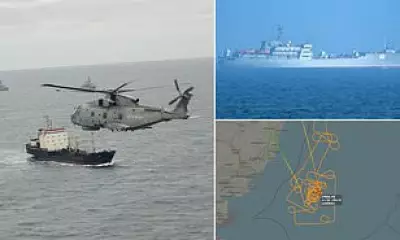
According to intelligence sources and regional observers, Iranian forces are alleged to have engaged in provocative actions within the Strait of Hormuz, directly contravening the terms of a previously established ceasefire. The strait, a narrow maritime chokepoint, is essential for the transit of approximately one-fifth of the world's oil supply, making any instability there a matter of urgent global concern.
The specific nature of the violation remains under scrutiny, but initial reports suggest it involved naval maneuvers or deployments that were explicitly prohibited under the ceasefire framework. This breach has reignited fears of a broader confrontation in the Persian Gulf, an area already fraught with geopolitical rivalries and historical animosities.

Trump's Forceful Response and Political Implications
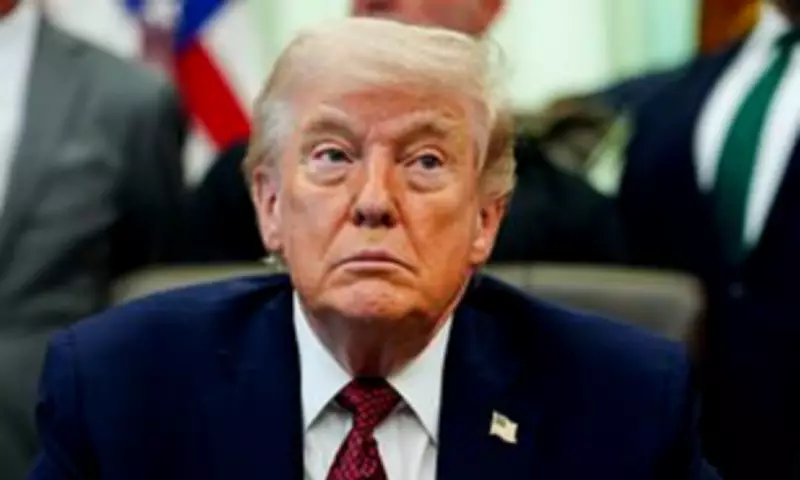
In a characteristically blunt statement, Donald Trump warned Iran of severe consequences should it continue to flout international agreements and engage in destabilising behaviour. "Iran knows very well what will happen if they keep this up," Trump was quoted as saying, echoing the hardline stance he frequently adopted during his presidency. His remarks have been interpreted as a clear signal that he would support, or potentially advocate for, renewed military or economic pressure on Tehran.
This intervention by Trump carries substantial political weight, particularly as he remains a dominant figure in the Republican Party and a likely candidate in future US elections. His comments may influence current US foreign policy debates, pushing for a more aggressive posture towards Iran at a time when diplomatic efforts are already strained.
Regional and Global Ramifications
The situation in the Strait of Hormuz is being closely monitored by global powers and energy markets. A sustained breach of the ceasefire could lead to:
- Increased Military Posturing: Neighbouring states and international naval forces may heighten their presence in the region, raising the risk of accidental clashes.
- Oil Price Volatility: Any threat to shipping lanes in the strait typically triggers fluctuations in global oil prices, impacting economies worldwide.
- Diplomatic Fallout: The incident could undermine ongoing negotiations related to Iran's nuclear programme and regional security agreements.
Experts caution that while Trump's threat amplifies tensions, the ultimate response will depend on the actions of the current US administration and its allies. However, the former president's vocal stance undoubtedly adds a layer of complexity to an already delicate geopolitical landscape.
Historical Context and Future Outlook
Trump's relationship with Iran has been historically contentious, marked by his decision to withdraw the US from the Iran nuclear deal in 2018 and the subsequent imposition of stringent sanctions. The latest threat aligns with his longstanding policy of applying "maximum pressure" on the Iranian regime.
Looking ahead, the international community faces a critical juncture. Will Iran de-escalate and reaffirm its commitment to the ceasefire, or will it pursue a more confrontational path? The answer may hinge on both domestic calculations within Iran and the unified response from global stakeholders. For now, Trump's warning serves as a stark reminder of the fragile peace in one of the world's most crucial waterways.