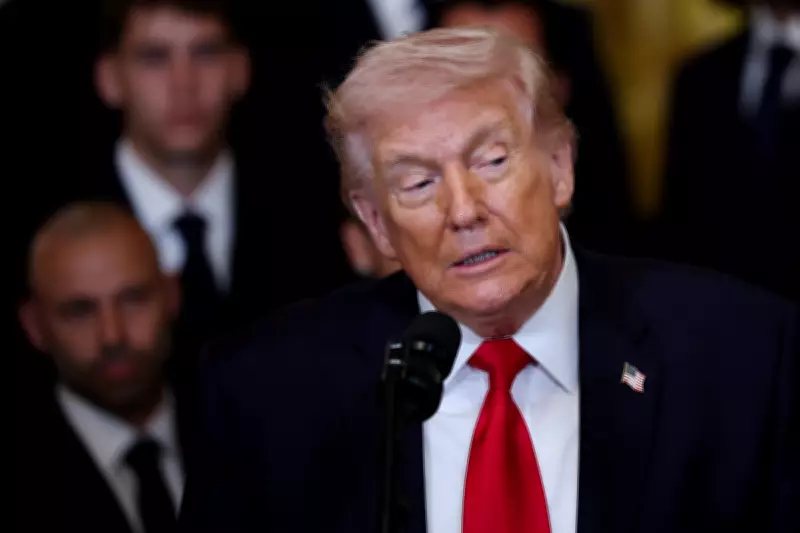
Americans have legitimate reasons to fear potential retaliatory attacks on U.S. soil as the conflict with Iran intensifies, according to President Donald Trump. In a recent interview with TIME, when questioned if citizens should worry about domestic assaults, Trump responded, "I guess." He elaborated, "But I think they're worried about that all the time. We think about it all the time. We plan for it. But yeah, you know, we expect some things. Like I said, some people will die. When you go to war, some people will die."
Political Backlash and Security Concerns
Critics have expressed alarm over Trump's remarks, with Senator Elizabeth Warren describing them as "deranged and dangerous" in a social media post. These comments contrast sharply with the administration's confident updates on the war, which highlight U.S. dominance in Iranian airspace and a recent strike that killed Supreme Leader Ayatollah Ali Khamenei. So far, the conflict has resulted in six American fatalities, including Major Jeffrey R. O'Brien of Iowa, who died in an unmanned aerial vehicle attack in Kuwait, but no attacks have occurred within the United States.
Administration Reassurances and Internal Turmoil
Defense Secretary Pete Hegseth attempted to reassure the public on Thursday, stating during a press briefing at U.S. Central Command in Florida, "I don't have any concerns about whether or not the homeland will be covered down on." This assurance comes amid upheaval at the Department of Homeland Security, with Secretary Kristi Noem's impending departure. Additionally, reports indicate the FBI dismissed members of a global counterespionage unit with Iran expertise just before the war began, allegedly as retaliation for their involvement in the Trump classified documents investigation.

Open-Ended War and Regime Change Ambitions
In the same TIME interview, Trump emphasized that the war with Iran has no predetermined end date, declaring, "I have no time limits on anything. I want to get it done." He outlined that part of resolving the conflict involves Iran appointing a new pro-U.S. leader, with Trump insisting on involvement in the selection process. "One of the things I'm going to be asking for is the ability to work with them on choosing a new leader," he said. "I'm not going through this to end up with another Khamenei. I want to be involved in the selection. They can select, but we have to make sure it's somebody that's reasonable to the United States."
Public Opinion and Campaign Promises
Trump's commitment to an open-ended war and regime change in Iran contradicts his campaign pledges to avoid foreign entanglements. Public sentiment is increasingly negative, as shown by a Hart Research Associates/Public Opinion Strategies poll for NBC News, revealing that 54% of American voters disapprove of Trump's handling of the Iran situation, while only 41% approve. This growing discontent underscores the tension between the administration's aggressive stance and voter expectations for restraint.