
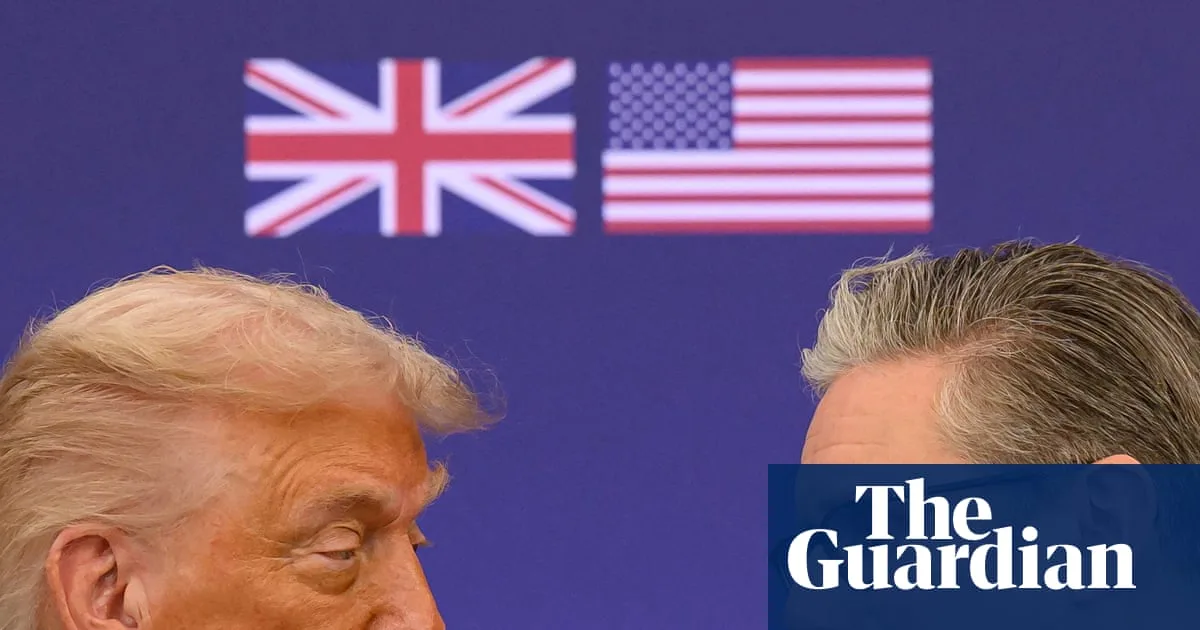
Prime Minister Keir Starmer has shrugged off Donald Trump’s criticism over the UK’s cautious approach to Iran, after the US president labelled him “no Winston Churchill”. In a concentrated volley of attacks, Trump told the Daily Telegraph that Starmer “took far too long” to allow US forces to use British airbases, and later told the Sun the prime minister “has not been helpful”. But at Prime Minister’s Questions, Starmer hit back, insisting that American planes operating out of British bases and daily intelligence sharing represent the “special relationship in action”, not “hanging on to President Trump’s latest words”.
Downing Street is confident in Starmer’s path for three closely linked reasons. First, Trump’s opinions are notoriously erratic, and Starmer has previously received effusive praise from the US president, including for his “beautiful” accent. Other world leaders have learned to ignore much of what Trump says until it is backed by action. Second, public opinion in Britain is largely on Starmer’s side: YouGov polling showed strong opposition to the overall US operation in Iran, and slight opposition to allowing US aircraft to use British bases for attacks. Third, there is frustration inside No 10 that Starmer’s Iran decisions have been analysed purely through the prism of managing Trump, when the prime minister is acting in the British interest to protect British people.
While Starmer has played his part in flattering Trump—arriving at his first White House visit with a letter from King Charles proposing a second state visit—there are red lines. Downing Street has condemned Trump’s repeated inaccurate criticisms of London mayor Sadiq Khan, and in January Starmer rebuked Trump for claiming British soldiers avoided the frontline in Afghanistan, calling the remarks “insulting and frankly appalling”. The prime minister’s diplomatic stance is coherent, if unorthodox, and reflects the reality that no US ally has found a way to keep Trump onside all the time.




