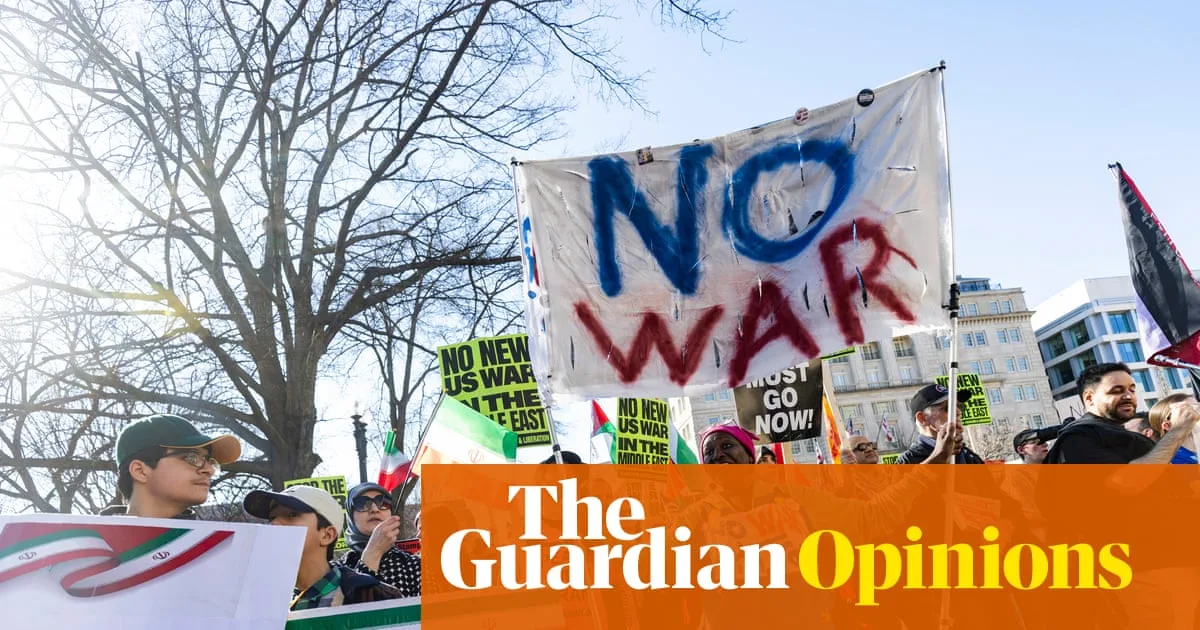
Trump and Netanyahu's Iran Attack Deemed Illegal Act of Aggression
Trump-Netanyahu Iran Attack Illegal, Says Kenneth Roth

Trump and Netanyahu's Attack on Iran Labelled Illegal Act of Aggression

In a stark condemnation, Kenneth Roth has declared that the military assault on Iran by Donald Trump and Benjamin Netanyahu constitutes an illegal act of aggression. This action, he argues, is indistinguishable from Russian President Vladimir Putin's invasion of Ukraine or Rwandan President Paul Kagame's incursion into the Democratic Republic of Congo. The United Nations charter permits the use of military force solely under two conditions: with UN Security Council authorisation or in self-defence against an actual or imminent armed attack. Neither justification applies in this instance.

Flawed Justifications and Diplomatic Failures

Trump's video justification cited an "imminent threat" from Iran, yet no evidence supports this claim. He listed past attacks attributed to Iran, but none are ongoing or imminent. Netanyahu termed the strike "pre-emptive," but prevention alone does not legitimise war, as it could unleash countless conflicts. Governments must rely on diplomacy and non-military pressure to address future threats. Iran already faces comprehensive sanctions, but Trump and Netanyahu abandoned diplomacy, seemingly unwilling to accept concessions. With both leaders confronting domestic political challenges ahead of elections, they appeared eager to resort to military action.

The negotiations, now suspended, lacked clarity. Trump demanded Iran never possess nuclear weapons, a stance Iran has repeatedly affirmed. Iran seemed open to inspections and diluting its highly enriched uranium stockpiles. The core dispute revolved around uranium enrichment, with the US historically demanding Iran forsake it entirely, despite the Nuclear Non-Proliferation Treaty granting this right. Tehran offered compromises, such as limiting enrichment to levels for medical isotopes, far below weapons-grade. US demands regarding ballistic missiles and support for groups like Hezbollah may have receded in talks.

Regime Change and Humanitarian Concerns

The bombing killed Iran's Supreme Leader, Ayatollah Ali Khamenei, prompting Trump to urge Iranians to overthrow their government. While the Iranian regime is despicable, having killed thousands in protests, regime change does not justify aggression. Humanitarian intervention requires stopping ongoing or imminent mass slaughter, not retaliating for past repression. The attack's civilian toll, including a school hit on the first day, underscores its illegitimacy.

International response has been tepid. Britain denied use of Diego Garcia for US bombers, and a joint statement from Britain, France, and Germany criticised Iran without endorsing the invasion. This disquiet stems from hypocrisy, as the attack undermines challenges to Putin's Ukraine invasion by flouting international law.

Unpredictable Consequences and Global Ramifications

As with any military strike, consequences are hard to foresee. Khamenei's death at 86 may lead to a successor, but regime change from the air is difficult, as seen in Venezuela. A new leader might be more accommodating, yet Iran could remain oppressive. The Iranian people's potential uprising faces brutal repression, with outcomes uncertain.

Globally, Trump's might-makes-right approach risks encouraging aggression, such as China seizing Taiwan or conflicts in Tigray and Pakistan-Afghanistan. By attacking non-nuclear Iran while sparing nuclear-armed North Korea, Trump signals that nuclear deterrence works, potentially spurring proliferation.

Diplomacy, though slow, respects sovereignty and peaceful dispute resolution. A world where leaders like Trump and Netanyahu dictate fate with military force is perilous. While ending the Islamic Republic is desirable, it should not come at the cost of a lawless international order.