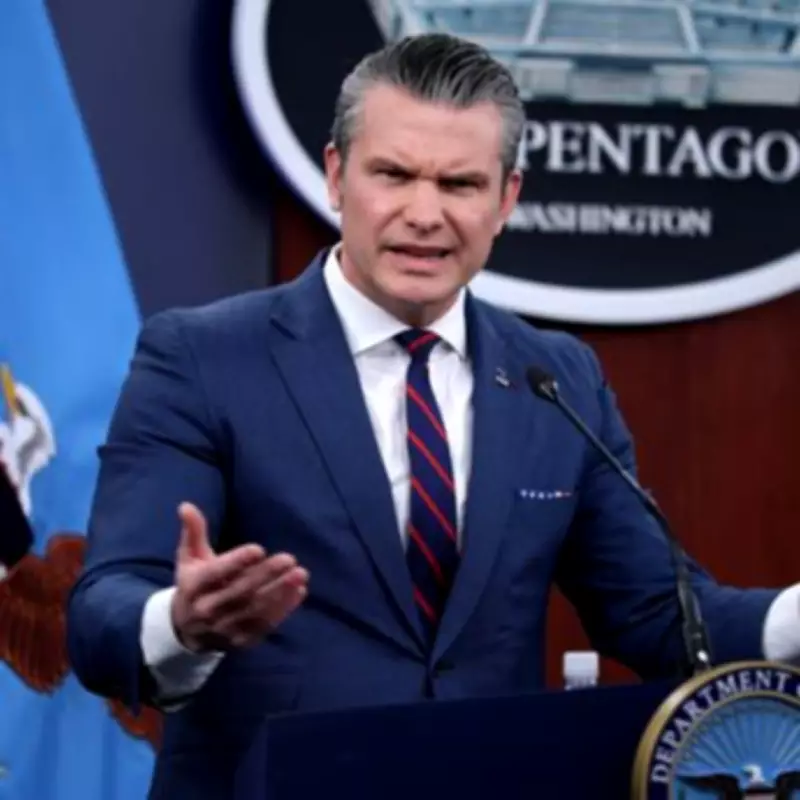
Trump and Hegseth Deride UK's Royal Navy as Iran Conflict Escalates
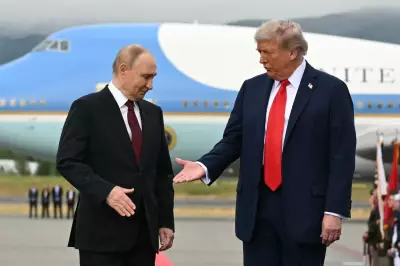
In a sharp rebuke, former US President Donald Trump and Secretary of War Pete Hegseth have mocked the United Kingdom over its naval capabilities amid the ongoing Iran war. Hegseth specifically targeted the Royal Navy, questioning its preparedness to secure the Strait of Hormuz, a critical global shipping route currently largely closed by Iran. This criticism comes as Britain braces for its final jet-fuel shipment from the Middle East this week, exacerbating a looming aviation crisis.
Global Fuel Shortages and Economic Strain
The closure of the Strait of Hormuz has triggered severe disruptions in world shipping, leading to skyrocketing fuel prices. In the UK, the cost of filling a typical family car with diesel has surpassed £100 for the first time in over three years, with average prices reaching 182.8p per litre. Motoring charity the RAC Foundation estimates that UK drivers have paid an additional £544 million in fuel costs since the conflict began on February 28. Airlines are also facing a dire situation, with a final jet-fuel shipment from Saudi Arabia expected this week, after which no further Middle Eastern deliveries are anticipated.
International Diplomatic Tensions
Trump has intensified his rhetoric, urging the UK to "secure the Strait of Hormuz yourselves" and accusing France of being "very unhelpful" for denying US military overflight permissions. Meanwhile, King Charles is proceeding with a state visit to the US in late April, despite Trump's repeated criticism of the British government for not supporting the war in Iran. In a related development, Italy refused permission for the US military to use the Sigonella air base in Sicily for operations linked to the Middle East offensive, citing procedural issues.

Military Actions and Regional Threats
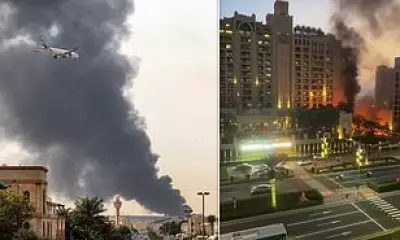
The conflict has seen significant military engagements, including four Israeli soldiers killed in clashes with Hezbollah in Lebanon, bringing the total Israeli military deaths in Lebanon to ten. Iran has threatened 18 major companies with "destruction," branding them as "terrorist spy companies." Additionally, a Kuwaiti oil tanker was attacked off the coast of Dubai, though authorities reported no oil leakage or injuries. Trump has reportedly shifted his focus to reducing Iran's navy and missile stocks, rather than insisting on reopening the Strait of Hormuz as part of his peace plan.
Political and Economic Responses
Prime Minister Keir Starmer is chairing a Cobra meeting to assess the economic impact of the Iran war, emphasising a "joint effort" with business leaders to mitigate the crisis. Foreign Secretary Yvette Cooper has condemned Israel's passage of a controversial death penalty bill, aligning with international opposition. The US has warned Iran of "real consequences" if it fails to reopen the Strait, while Iran denies any negotiations with the US, focusing instead on defence efforts.
As tensions mount, the global community watches closely, with the UN Security Council convening an emergency meeting after peacekeepers were killed in Lebanon. The situation remains volatile, with implications for international trade, security, and diplomatic relations.