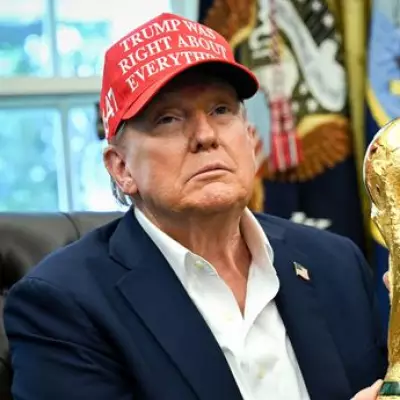
In a moment that blended historical insensitivity with diplomatic awkwardness, former US President Donald Trump drew a controversial parallel between the surprise attack on Iran and Japan's infamous assault on Pearl Harbor during World War II. The incident unfolded during a high-profile Oval Office meeting with Japanese Prime Minister Sanae Takaichi, casting a shadow over discussions about Middle Eastern security and alliance responsibilities.
A Surprising Comparison in the Oval Office
Hosting Prime Minister Takaichi on Thursday, Trump fielded questions from international journalists regarding the escalating conflict with Iran. When a Japanese reporter queried why the United States had not forewarned key allies like Japan before launching military strikes, the former president offered a response that quickly turned heads.
"One thing you don't want to signal too much," Trump explained, "when we go in, we went in very hard and we didn't tell anybody about it because we wanted surprise. Who knows better about surprise than Japan?"

The room initially responded with nervous laughter, but Trump pressed further with mischievous intent, directly asking the Japanese delegation: "Why didn't you tell me about Pearl Harbor?" According to observers, the atmosphere shifted immediately as Prime Minister Takaichi's eyes widened and she adjusted uncomfortably in her seat.
Historical Context and Contemporary Reactions
The Japanese attack on the US naval base at Pearl Harbor, Hawaii occurred on December 7, 1941—nearly five years before Trump's birth. The assault resulted in the deaths of 2,390 Americans and prompted President Franklin D. Roosevelt to declare war on Japan the following day, famously describing the date as "a date which will live in infamy." The conflict ultimately concluded in August 1945 following devastating atomic bombings of Hiroshima and Nagasaki that claimed hundreds of thousands of civilian lives.
Trump's supporters celebrated his unscripted remarks as political theater. His son Eric Trump took to social media platform X to proclaim: "One of the great responses to a reporter in history!" However, critics expressed profound discomfort with the historical analogy.
Journalist Mehdi Hasan captured the ambivalence many felt, noting: "I'm sorry, but this is legit hilarious. If only he wasn't the president and just a character on TV. We could laugh our heads off without any sense of unease, dread, or embarrassment."
A Pattern of Diplomatic Missteps
This was not Trump's first controversial engagement with World War II history. Last year, when German Chancellor Friedrich Merz referenced June 6 as D-Day during discussions, Trump remarked that it was "not a pleasant day" for the German leader. Merz promptly corrected him, emphasizing that "in the long run, Mr President, this was the liberation of my country from Nazi dictatorship."
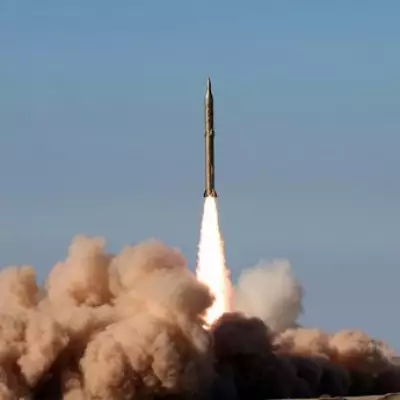
The Pearl Harbor comments emerged against a backdrop of Trump's ongoing complaints about allied support in the Strait of Hormuz. Throughout the week, he had repeatedly expressed frustration that nations including Japan had not adequately responded to his requests for assistance in safeguarding the critical waterway following US military action against Iran.
Though Trump later declared such help unnecessary, he simultaneously suggested that "it's appropriate that people step up," creating mixed signals about his expectations from international partners.
Japan's Delicate Position
For Japan, deploying Self-Defense Forces abroad represents an exceptionally sensitive political issue. The nation's US-imposed 1947 constitution formally renounces war, and many Japanese voters strongly support maintaining this pacifist stance. Prime Minister Takaichi carefully navigated these constraints during her discussions with Trump.
Following their meeting, Takaichi informed reporters that both leaders agreed on the paramount importance of ensuring Strait of Hormuz security. However, she provided Trump with a detailed explanation of the legal limitations Japan faces regarding military engagements overseas, clarifying precisely what actions her government could and could not undertake under current legislation.

An Ongoing Diplomatic Relationship
Despite the awkward moment, the encounter demonstrated Takaichi's continued ability to maintain cordial relations with the controversial American leader. Their relationship dates back to an equally friendly meeting in Tokyo last October, during which the Japanese prime minister notably declared she would nominate Trump for the Nobel Peace Prize.
At that time, Takaichi expressed unwavering confidence in Trump's unique capabilities, stating: "I firmly believe that it is only you, Donald, who can achieve peace across the world." Thursday's Oval Office meeting, while punctuated by historical references that caused visible discomfort, ultimately highlighted the complex dynamics of US-Japan relations in an era of unconventional diplomacy.