Trump Eyes Vance for Crucial Iran Negotiations as Peace Efforts Stumble
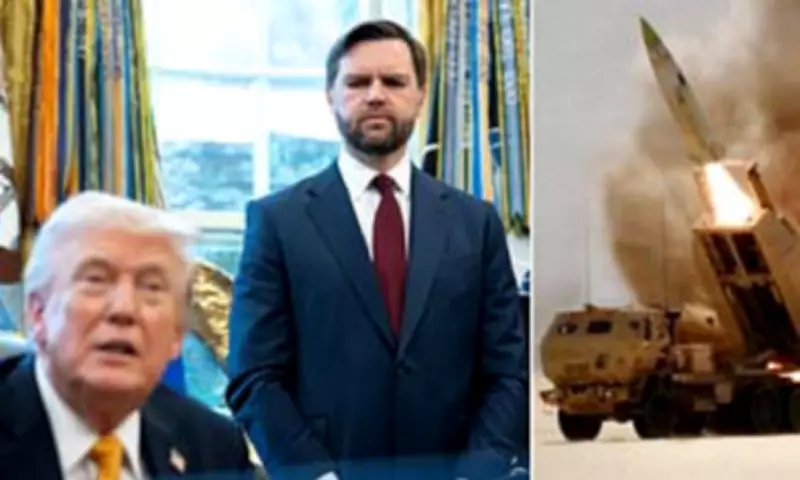
Former President Donald Trump is reportedly contemplating deploying Vice President JD Vance as a top-level negotiator with Iran, as faltering peace initiatives threaten to derail attempts to end the escalating Middle East conflict. According to sources, talks about potential negotiations with the Islamic regime are being held in Pakistan, with Vance potentially playing an essential role in closing any deal.
Negotiation Dynamics and Key Players
The Wall Street Journal reports that while special envoys Steve Witkoff and Jared Kushner would likely lead initial sit-down negotiations with Iran, Vance could be brought in to finalize agreements. However, Iranian officials have signaled reluctance to engage in diplomatic talks, with Tehran possibly sending Foreign Minister Abbas Araghchi or parliamentary speaker Mohammad-Bagher Ghalibaf, a hardline regime figure.
Notably, Ghalibaf is unlikely to leave Iran unless Vance also attends those talks, suggesting he may refuse to engage with Witkoff or Kushner directly. This highlights the complex diplomatic landscape and the potential importance of Vance's involvement in any successful negotiation process.

Saudi Pressure and Regional Calculations
Saudi Crown Prince Mohammed bin Salman has reportedly urged Trump to continue the war against Iran, viewing the conflict as a historic opportunity to remake the region. The Saudi leader has also encouraged Trump to consider deploying ground troops to seize energy infrastructure and force the Iranian government out of power.
This pressure from a key regional ally complicates peace efforts and reflects the broader geopolitical stakes involved in the Middle East conflict.
Ceasefire Announcement and Immediate Breakdown
Trump announced a five-day ceasefire on all strikes against Iranian energy infrastructure on Monday, citing what he described as very good conversations aimed at ending the war. However, top Iranian officials immediately rejected Trump's claim that peace talks are underway.
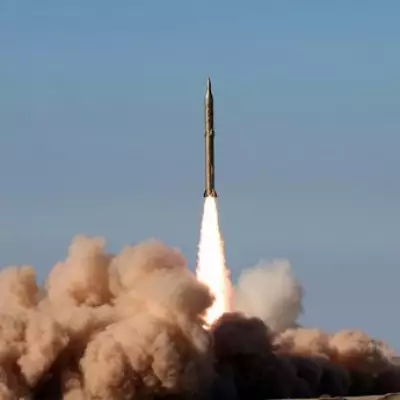
The apparent ceasefire proved short-lived, as Iranian state media claims US-Israel strikes targeted two gas facilities and a pipeline on Monday night. Iran responded by launching ballistic missiles at central Tel Aviv and Kuwait, demonstrating the fragile nature of any temporary cessation of hostilities.
Vance's Background and Diplomatic Contacts
Meanwhile, Vance has held private phone conversations with Israeli Prime Minister Benjamin Netanyahu regarding negotiations with Tehran, according to multiple reports. The Vice President built his political career by advocating against foreign wars in the Middle East and is viewed within Trump's inner circle as a non-interventionist voice.
This background positions him as a potentially credible negotiator who might bridge gaps between conflicting parties in the region.
Economic Impact and Market Reactions
Financial markets reacted positively to Trump's ceasefire announcement on Monday, with the Dow surging 1,000 points in pre-market trading. The S&P and Nasdaq each jumped more than 2 percent, while oil prices dropped 10 percent in response to the potential de-escalation.
However, as Tehran signaled they would not engage in future diplomatic talks with Trump and launched more ballistic attacks against American Gulf bases, oil prices rose back to over $100 a barrel. This volatility underscores how closely global markets are tracking developments in the Middle East conflict.
Strait of Hormuz: Critical Chokepoint
Iran's closure of the Strait of Hormuz since the start of the war has caused a global oil and energy crisis. The narrow strait, through which a fifth of the world's oil flows, remains blocked by the threat of Iranian mines and missiles.
Tehran has not promised to reopen the passageway, and Iran's stranglehold over the Hormuz is seen as its greatest leverage against the US in the ongoing conflict. Closing the Strait has proven relatively inexpensive for the regime, relying on drones and explosive suicide boats to disrupt global shipping.

Gas prices have surged to an average of $4.00 per gallon nationwide, up from $2.90 before the conflict began three weeks ago. Trump previously threatened to use US troops to seize Kharg Island in the Persian Gulf, where 90% of Iran's crude oil exports originate, highlighting the strategic importance of energy infrastructure in the conflict.
Broader Implications and Future Prospects
Trump's faltering ceasefire comes after he threatened over the weekend to bomb Iran's electricity grid unless the regime reopened the Strait of Hormuz within 48 hours. This pattern of threats and temporary ceasefires characterizes the volatile nature of the current conflict.
The potential deployment of Vance as a lead negotiator represents a significant development in US diplomatic strategy toward Iran. His non-interventionist reputation and established contacts with regional leaders like Netanyahu could provide new avenues for dialogue, even as military actions continue and economic pressures mount on all sides.