British Forces Achieve Record Drone Interceptions in Iraq
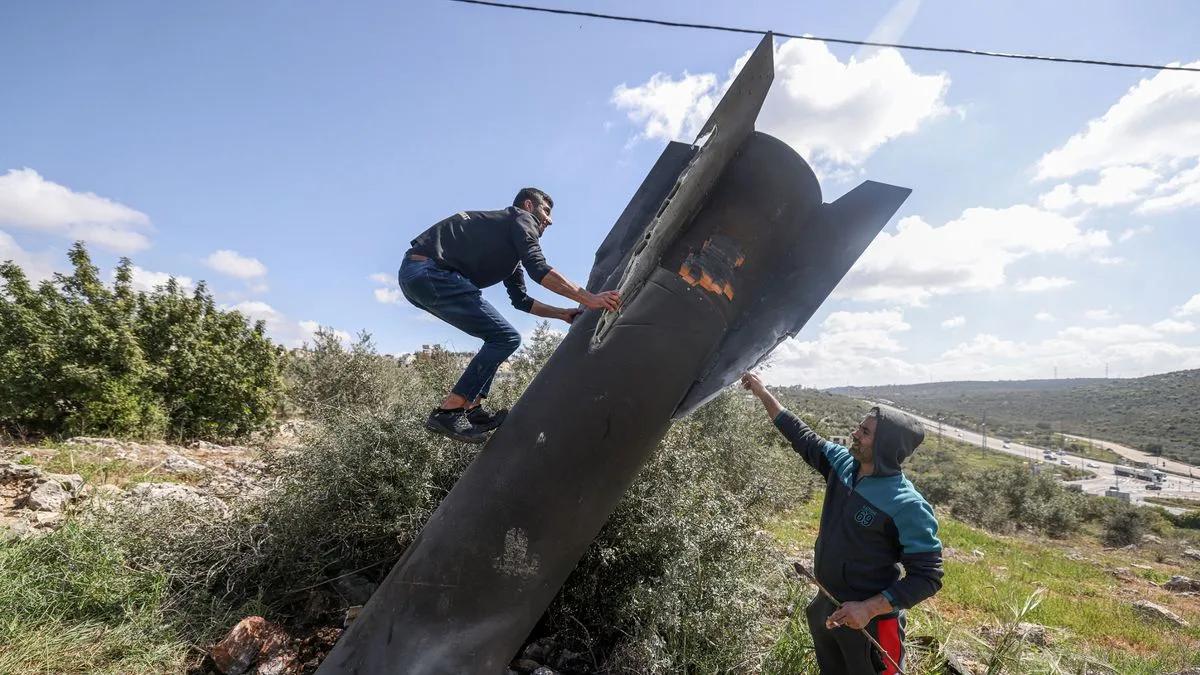
In a remarkable display of defensive capability, British troops stationed in northern Iraq have successfully neutralised a record number of Iranian-launched "kamikaze" drones during a single night of intense conflict. Defence officials have confirmed that specialist forces from the RAF Regiment utilised the UK's advanced Rapid Sentry defence weapon systems to intercept at least fourteen incoming missiles and drones. These hostile projectiles were fired either directly by Iran or through its proxy networks, targeting a strategic base shared with American military personnel in Erbil, Northern Iraq.
Unprecedented Defensive Action Amid Escalating Hostilities
This extraordinary defensive achievement marks the highest number of drones shot down in one night since the outbreak of war with Iran. The RAF Regiment units, tasked with protecting British assets abroad, have now destroyed a minimum of seventy drones and missiles since the conflict began. Their primary weapon is the Lightweight Multi-role Missile, known as the LMM Martlett, which boasts an effective range of approximately five miles and is deployed from Rapid Sentry launchers.
A senior British official provided insight into the evolving threat landscape, stating, "We have observed a reduction in firing rates over recent days, encompassing both ballistic missiles and one-way attack drones. However, last night witnessed a significant escalation across multiple locations." The official elaborated, "In Erbil, where UK forces operate the Rapid Sentry system, they intercepted fourteen one-way attack drones in just one night. This represents the largest single-night tally since the war commenced, demonstrating the Iranians' retained capacity to launch ballistic missiles and drones, albeit at a diminished rate compared to the initial phase of hostilities."
Broader Regional Conflict and Diplomatic Tensions
The attacks on the US-UK base in Northern Iraq occurred shortly after Iran vehemently denied claims by US President Donald Trump regarding ongoing peace negotiations. Iran's foreign ministry dismissed Trump's assertions as "fake news," leading to a brutal exchange of airstrikes and drone-missile attacks between the two nations. Concurrently, Israeli media reports suggested that Iran's new Supreme Leader, Mojtaba Khamenei, who reportedly sustained serious injuries in an airstrike that killed his father, Ayatollah Khamenei, along with his wife and son, has agreed to engage in talks despite public denials.
Major air strikes conducted by US and Israeli warplanes have targeted military installations and key figures across Iran overnight. The Iranian Red Crescent has reported extensive civilian damage, with over 82,000 structures affected and 281 medical facilities, including hospitals and clinics, being struck. Pirhossein Kolivand, head of the IRCS, highlighted the severe humanitarian impact, noting widespread destruction from the aerial assaults.
Geopolitical Maneuvering and Regional Fallout
Sources indicate that Saudi Arabia's de facto leader, Prince Mohammed bin Salman, is actively encouraging President Trump to persist with military actions against Iran. The Prince reportedly views the US-Israeli campaign as a "historic opportunity" to reshape the Middle East's political landscape, advocating for the dismantling of Iran's hard-line government to eliminate a perceived long-term threat to Gulf security. This stance aligns with Saudi Arabia's ongoing proxy conflict with Iran in Yemen and their historically strained diplomatic relations.
In related developments, Israel has executed a series of strikes across Lebanon, targeting fuel stations utilised by Hezbollah for logistical support. The Israeli Defence Force confirmed these operations, stating that the stations were rendered inoperable to disrupt weapon and fighter transportation. Israel itself faced another wave of missile attacks, triggering nationwide air raid sirens, including in Tel Aviv, with interceptions resulting in four casualties.
Widespread Regional Violence and Strategic Threats
The conflict has extended beyond primary combat zones, with Kuwait responding to overnight drone and missile attacks, Saudi Arabia intercepting a swarm of over twenty drones, and Bahrain activating sirens amid threats. Explosions reverberated through Iranian cities such as Tehran, Tabriz, Isfahan, and Karaj throughout the night. US intelligence assessments reveal that Tehran has deployed at least a dozen mines in the Strait of Hormuz, including Maham 3 magnetic-sensor mines and Maham 7 high-explosive sticking mines, posing significant risks to maritime traffic.
The human cost of the conflict continues to mount, with current estimates indicating at least 1,500 fatalities in Iran, 1,000 in Lebanon, 18 in Israel, 13 US soldiers, and 21 deaths across Gulf states. This devastating toll underscores the severe and far-reaching consequences of the ongoing Middle East war, as British forces demonstrate their critical role in defensive operations through record-breaking interceptions like those achieved by the RAF Regiment in Erbil.






