Trump Administration Issues 30-Day Waiver for Russian Oil Purchases
In a significant policy shift, former President Donald Trump has authorised a 30-day waiver allowing countries to purchase sanctioned Russian oil and petroleum products currently stranded at sea. This move, announced by Treasury Secretary Scott Bessent, aims to stabilise global energy markets severely disrupted by the ongoing conflict in Iran.
The waiver permits the delivery and sale of Russian crude oil loaded on vessels as of March 12, with validity extending through midnight Washington time on April 11. According to the license text posted on the Treasury Department's website, this temporary measure is designed to address immediate market volatility without providing substantial financial benefit to the Russian government.
Global Energy Markets in Turmoil
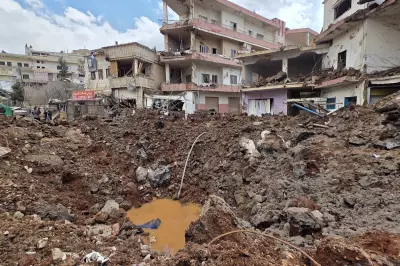
The decision follows a series of escalating events that have roiled energy supplies worldwide. Recent US and Israeli strikes on Iran, coupled with Tehran's retaliatory actions, have paralysed shipping through the critical Strait of Hormuz. This disruption has severely impacted Middle Eastern oil and gas flows, sending benchmark oil prices soaring above $100 per barrel.
In response to the crisis, Washington previously announced the release of 172 million barrels from the Strategic Petroleum Reserve. This action forms part of a broader commitment by the 32-nation International Energy Agency to release 400 million barrels collectively. The IEA has described the Middle Eastern conflict as creating the most significant oil supply disruption in recorded history.
Political Implications and Strategic Calculations
Analysts suggest the Trump administration's waiver reflects White House concerns that surging oil prices could adversely affect US businesses and consumers ahead of the November midterm elections. With Republicans aiming to maintain congressional control, stabilising energy costs has become a political priority.
In his statement on social media platform X, Secretary Bessent emphasised the "narrowly tailored" and "short-term" nature of the waiver. He asserted that while the temporary price increase represents a short-term disruption, it would ultimately yield "massive benefit to our nation and economy in the long-term," echoing President Trump's perspective on energy policy.
Ukraine Intensifies Attacks on Russian Energy Infrastructure
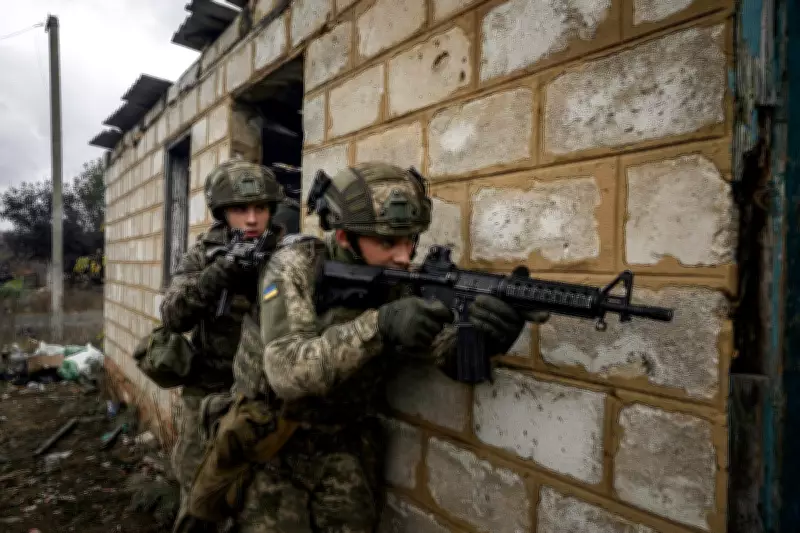
Meanwhile, Ukrainian forces have escalated their campaign against Russian strategic assets, striking a vital oil hub in the Krasnodar region. Security Service of Ukraine operatives targeted infrastructure across the Tikhoretsk oil pumping station, causing extensive fires and damaging Moscow's logistical capabilities.
A Ukrainian security service source confirmed the attack was specifically designed to weaken Russia's ability to sustain its military operations. The Tikhoretsk hub represents the sole supply route for petroleum products to the crucial Black Sea port of Novorossiysk, making it a strategically significant target.
Russian authorities reported intercepting and destroying 80 Ukrainian drones overnight across various regions, though they confirmed no injuries resulted from the Tikhoretsk strike. This incident marks the latest in a series of Ukrainian attacks on Russian energy infrastructure as Kyiv seeks to undermine Moscow's war economy.
Zelensky's Diplomatic Tour Advances
Ukrainian President Volodymyr Zelensky arrived in Romania en route to crucial discussions with French President Emmanuel Macron. During his Bucharest visit, Zelensky and Romanian President Nicusor Dan signed a statement of intent regarding joint defence production, specifically focusing on Ukrainian-designed drone systems.
The agreement enables production of Ukrainian defence capabilities within Romania, strengthening both nations' defence industries. Romania, as both an EU and NATO member sharing a 650-kilometre border with Ukraine, has particular interest in enhancing its defensive posture against potential Russian threats.
President Zelensky highlighted Ukraine's expertise in integrating drone software into comprehensive defence systems, while President Dan emphasised the importance of military cooperation between the neighbouring countries. This development follows previous discussions about potential drone production partnerships under the EU's SAFE defence funding mechanism.
Broader Regional Security Concerns
The security situation remains tense across Eastern Europe, with NATO member Poland investigating a drone discovered at a lignite mine in western Poland. Although authorities have not confirmed the origin, Poland maintains heightened alertness following multiple Russian drone incursions into its airspace in recent months.
Additionally, Ukraine awaits White House approval for a major drone production agreement proposed last year. The proposed US-Ukraine deal would cover various drone types and air defence systems capable of countering large-scale attacks using Iranian-designed Shahed drones and missiles.
As diplomatic efforts continue, President Zelensky prepares for discussions with President Macron focusing on battlefield developments, European military support for Ukraine, and methods to increase pressure on Russia through measures targeting its so-called "shadow fleet" of oil tankers.