The travel industry is facing a severe downturn as the ongoing Middle East conflict deters holidaymakers from flying, with one of the UK's leading online package holiday providers issuing a stark warning about plummeting bookings.
Profit Forecast Suspended Amid Demand Slump
On The Beach, a major operator alongside giants like TUI, Thomas Cook and easyJet, has suspended its profit guidance for the year after experiencing a significant slowdown in demand. The company had previously told investors to expect profits between £39 million and £43 million, but has now put that forecast on hold indefinitely.
In a stock market announcement, the company stated: "Whilst the group has limited exposure to destinations in the Middle East, it has experienced a significant slowdown in demand following the onset of conflict in the region, particularly to destinations such as Turkey, Greece, Cyprus and Egypt. The timing of when the conflict will end and the shape of recovery in demand to these destinations are unknown."
Market Reaction and Share Price Plunge
The announcement triggered immediate market reaction, with On The Beach shares tumbling 27p – representing a 14 percent decline – to 166p. This leaves the business valued at approximately £240 million, with the stock down 28 percent since the beginning of the year.
City analysts acknowledge that On The Beach is generally considered a well-run business. Katie Cousins at broker Shore Capital commented: "The Group has made significant improvements to its platform capabilities and offering, and the strategy appears well-funded by cash. However, the current travel landscape and consumer confidence are clouded by the Middle East conflict."
Wider Travel Sector Impact
The crisis extends far beyond On The Beach, affecting the entire travel and tourism industry. According to Bloomberg reports based on data from Cirium, approximately 46,000 flights have been cancelled since the conflict began in late February.
The World Travel & Tourism Council estimates that the conflict is costing the tourism sector $600 million (£445 million) per day in lost international visitor spending. The aviation sector has experienced its biggest shock since the COVID-19 pandemic, with 10 percent of all global flights cancelled due to the Iran crisis.
Key Destinations Affected
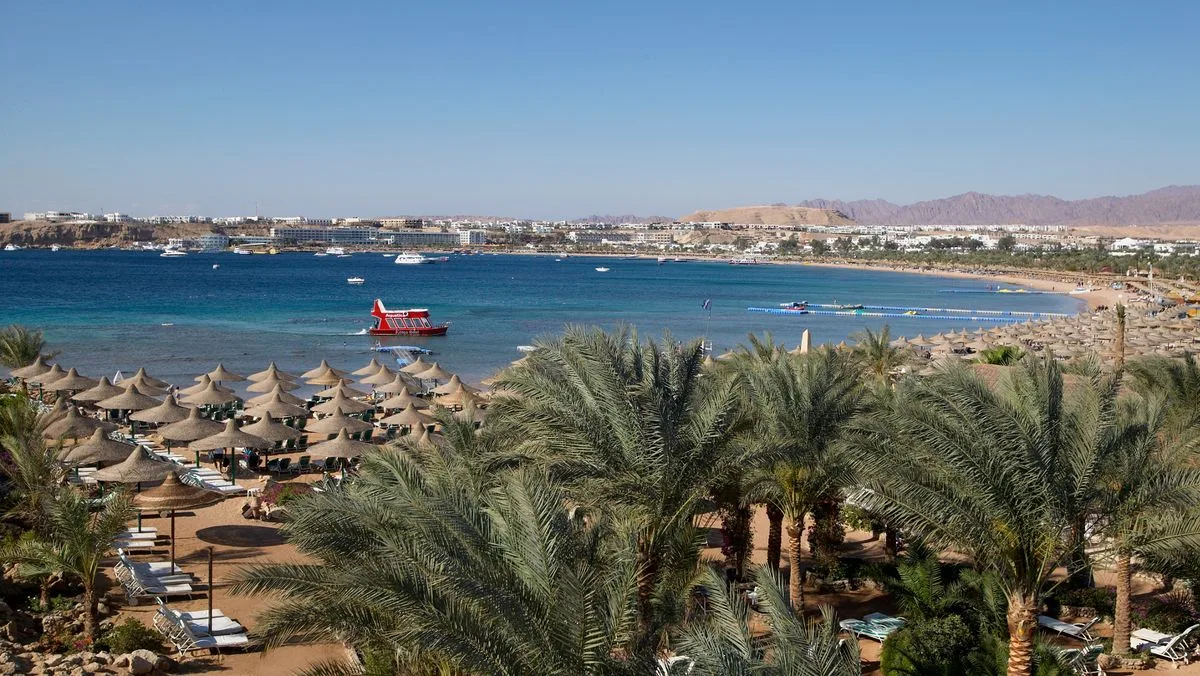
Resorts offered by On The Beach that are experiencing significant booking declines include popular destinations such as Hurghada and Sharm el-Sheikh on Egypt's Red Sea coast, Antalya and Marmaris in Turkey, and Abu Dhabi and Dubai in the United Arab Emirates.
Air routes between Asia and Europe are being suspended at an accelerating pace, while the prices of flights that remain operational are soaring. This creates particular concern with Easter – traditionally a busy travel period – just weeks away.
Investor Concerns and Market Sentiment
Richard Hunter of investment firm ii.com noted: "While most economic and company data have yet to reflect the impact of the conflict, share prices most certainly have been forward-looking estimates. On the Beach is an example of this caution, perhaps unsurprisingly suspending its current profit guidance."
He added: "Among the worst hit sectors so far have been those in the travel sector. Airlines and cruise operators have performed poorly, not only because of the higher price of fuel, but equally because this conflict may crimp consumer propensity to spend on overseas travel at a potentially dangerous time. The reaction of the On the Beach share price is symptomatic of the concerns which are currently overhanging the wider market, which will continue to multiply the longer the conflict lasts."
Broader Market Turbulence
The travel sector's troubles are reflected across multiple companies. EasyJet shares wobbled significantly, dropping 11p to 386p and representing a 20 percent decline over the past month. Similarly, shares in British Airways owner IAG have fallen 14 percent in the last month, despite the group reporting what analysts described as "blockbuster" results just before the conflict escalated.
Ironically, IAG had previously been boosted by falling fuel costs, but the conflict has reversed those gains. Even before the Middle East crisis, investors had expressed concerns that holiday companies and airlines would be hurt by rising unemployment and declining consumer confidence.
The timing of this travel downturn could not be worse for the industry, which was still recovering from pandemic-related disruptions. With consumer confidence shaken and geopolitical tensions creating uncertainty, the travel sector faces significant challenges in the coming months as it navigates this latest crisis.