
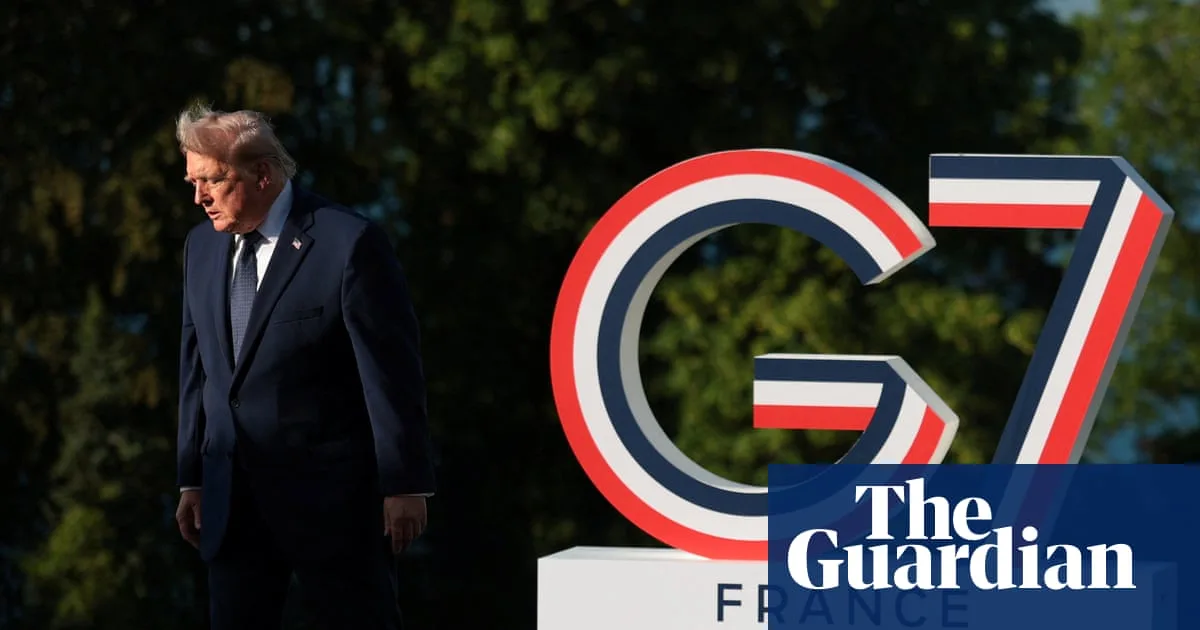
US President Donald Trump has declared that the Strait of Hormuz will be “completely open” from Friday, as G7 leaders in Évian-les-Bains work to prevent the fragile US-Iran deal from unravelling. Trump stated, “The deal’s all signed. And the strait is already partially opened.” However, Israeli breaches of the ceasefire in Lebanon and Iran’s claims about charging fees in the waterway reveal numerous loose ends.
Speaking at the G7 summit, Trump rejected a proposed UK-France joint naval mission in the strait, saying “I don’t think we will need much help” keeping it open. He added, “I think a lot of great things are going to happen in the Middle East right now. And very importantly, the oil is plummeting down and the stock market is shooting up like a rocket today.” The memorandum of understanding (MOU) will be formally signed in Geneva on Friday, with US Vice-President JD Vance and Iranian negotiator Mohammad-Bagher Ghalibaf attending.
White House officials said full details of the agreement will be published within 24 to 48 hours. Technical discussions will begin later this week, covering Iran’s nuclear programme and provisions to lift sanctions and unfreeze billions in assets, tied to “Iran meeting their commitments”. Officials insisted no Gulf country is cutting a side deal to unfreeze assets, but the US is “prepared to release frozen funds” if Iran makes “small gestures”.
German Chancellor Friedrich Merz said the deal could stabilise the world economy, but warned Israel that the ceasefire must apply to Lebanon after an Israeli drone strike killed one person. European Commission President Ursula von der Leyen stated, “There can be no lasting peace whilst Lebanon remains in flames.” In Israel, concern deepened over the deal, with analysts noting that none of Prime Minister Benjamin Netanyahu’s war goals, including regime change in Tehran, had been fulfilled. Netanyahu distanced himself from the negotiations, calling it “[Trump’s] decision”.




