In a significant development in international diplomacy, former US President Donald Trump has publicly expressed hope for reaching a deal with Iran, even as geopolitical tensions between the two nations continue to escalate sharply. This comes amid a stark warning from Iran's Supreme Leader, Ayatollah Ali Khamenei, who has cautioned that any military attack by the United States would inevitably trigger a widespread 'regional war' with severe consequences.
Trump's Diplomatic Overtures and Military Posturing
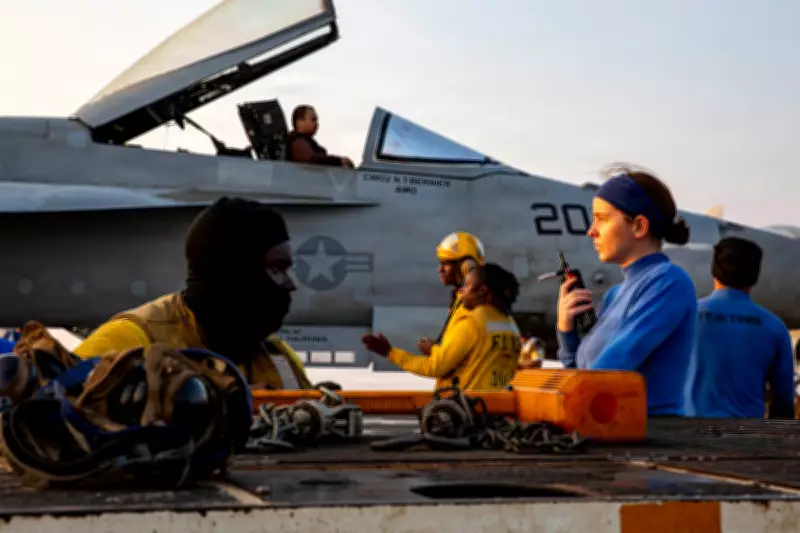
Donald Trump, who has previously issued threats of military intervention against Iran, stated that he has not yet made a 'final decision' on whether to authorise the use of force. However, he emphasised that the US military remains fully 'prepared to deliver' a decisive response if necessary, particularly to counter any efforts by Iran to develop nuclear weapons. Trump urged Tehran to immediately cease its domestic crackdown on protestors and to agree to a comprehensive deal that explicitly excludes the possession or development of nuclear armaments.
Khamenei's Firm Stance on Retaliation and Regional Stability
Ayatollah Ali Khamenei responded with a firm and unambiguous message, warning that Iran would deliver a 'strong blow' if harmed by the United States. He clarified that Iran does not seek to initiate a conflict but would retaliate forcefully and decisively if attacked. Khamenei's statements underscore the high stakes involved, as he highlighted the potential for any US aggression to spiral into a broader regional war, affecting stability across the Middle East.

The ongoing dialogue and threats between the US and Iran reflect the complex and volatile nature of their relationship, with both sides navigating a delicate balance between diplomatic engagement and military preparedness. As Trump talks up the possibility of a deal, Khamenei's warnings serve as a stark reminder of the risks of escalation, keeping global observers on edge regarding the future of nuclear negotiations and regional security.