Trump Claims Disinterest in Nobel Prize as Iran War Raises Questions
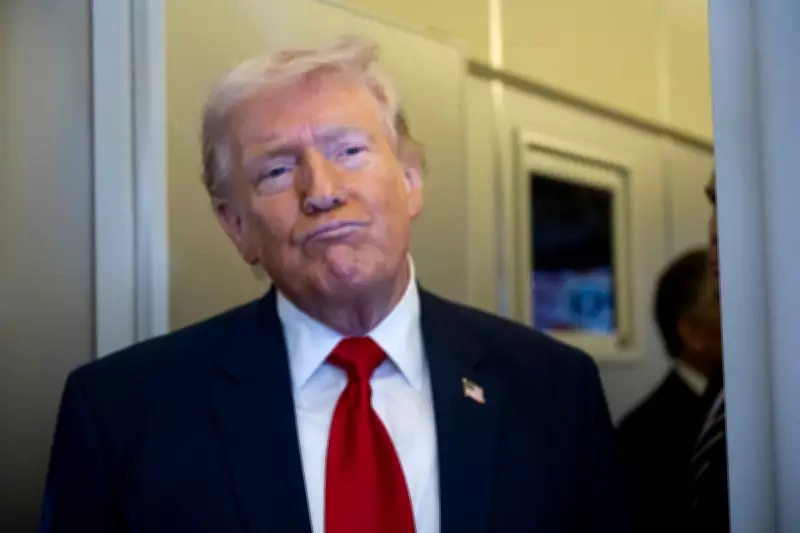
Former President Donald Trump has declared he is no longer particularly interested in receiving a Nobel Peace Prize, despite having actively campaigned for the honour throughout much of his second term in office. In a recent interview, he also expressed uncertainty about how the ongoing military conflict with Iran might impact any future prospects of securing the prestigious diplomatic award.
"No Idea" About Nobel Prospects Amid Conflict
Speaking with the Washington Examiner, Trump stated he had "no idea" whether the Iran war would help or hinder his chances with the Nobel committee. "I don't know," he added. "I'm not interested in it." This marks a significant shift from his previous public statements, where he regularly argued he deserved the prize for his foreign policy achievements.
The United States is currently facing intense international scrutiny over its conduct in the two-week-old conflict with Iran. A Pentagon investigation has reportedly reached preliminary findings indicating that a U.S. missile struck an Iranian elementary school, resulting in approximately 175 fatalities, the majority of whom were children. President Trump has stated he is unaware of these alleged findings and emphasised that the incident remains under active investigation.

Contrast with Previous Nobel Campaigning
Trump's latest comments stand in stark contrast to his behaviour just months earlier. Throughout 2025, the president frequently claimed he had prevented at least eight wars since taking office, though independent fact-checkers noted many of these assertions were inaccurate, exaggerated, or premature. The subject of the Nobel Prize reportedly became a point of personal interest for Trump, partly driven by his frustration that his predecessor, Barack Obama, had received the award.
Various nations and institutions seeking favour with the Trump administration played into this well-known interest. In January, Venezuelan opposition leader María Corina Machado symbolically presented her Nobel Prize to Trump during a White House meeting, although prize organisers clarified she remained the sole official holder. The previous month, FIFA awarded Trump a newly created peace prize, an announcement made weeks after he was overlooked for a Nobel and as the organisation prepared to host the 2026 World Cup in North America.
Broader Context of Trump's Foreign Policy
Regardless of his current stance on the Nobel, few observers doubt that the Trump administration significantly scrambled global relations through an often aggressive and unilateral foreign policy approach. Key actions included imposing tariffs on both allies and adversaries, orchestrating the kidnapping of Venezuela's leader, launching operations against alleged drug vessels in the Caribbean, authorising the assassination of Iran's leader, and threatening a military takeover of Greenland despite its status as a NATO ally.
Furthermore, the administration failed to definitively resolve several international crises that Trump had confidently promised to solve, including the protracted conflicts between Russia and Ukraine and between Israel and Gaza. The ongoing Iran war, which has resulted in the deaths of seven U.S. troops and an estimated 1,348 people in Iran, adds another complex layer to this foreign policy legacy.
When asked if the Nobel Prize had been discussed with foreign leaders regarding the Iran conflict, Trump replied, "No, I don't talk about the Nobel Prize." As investigations into the school strike continue and the war persists, the juxtaposition of Trump's dismissed Nobel ambitions with the harsh realities of military engagement underscores the contentious nature of his diplomatic record.