
Donald Trump has issued a fresh ultimatum to Hamas, calling for the group's disarmament as the second phase of the US-brokered ceasefire with Israel begins. In a late-night post on Truth Social, the US president demanded the return of the final Israeli captive's remains and warned of severe consequences if Hamas does not comply.
No agreement has yet been reached on disarmament, one of the most contentious elements of the second phase. The plan also includes the withdrawal of Israeli forces and increased humanitarian aid into Gaza, measures that Israel has yet to fully implement. Trump has said Hamas would be stripped of its weapons with backing from Egypt, Turkey and Qatar, though enforcement remains unclear.
According to the proposed plan, Hamas would give up heavy weapons completely. For smaller arms, the US is considering a buy-back programme where owners hand over rifles, pistols and machine guns in exchange for money.
Trump has announced he will chair a 'board of peace' to govern Gaza, overseeing reconstruction and transition. Former UK prime minister Tony Blair is expected to join an executive board alongside Trump's advisers Jared Kushner and Steve Witkoff. A 15-member Palestinian committee led by Ali Shaath will supervise civil administration.
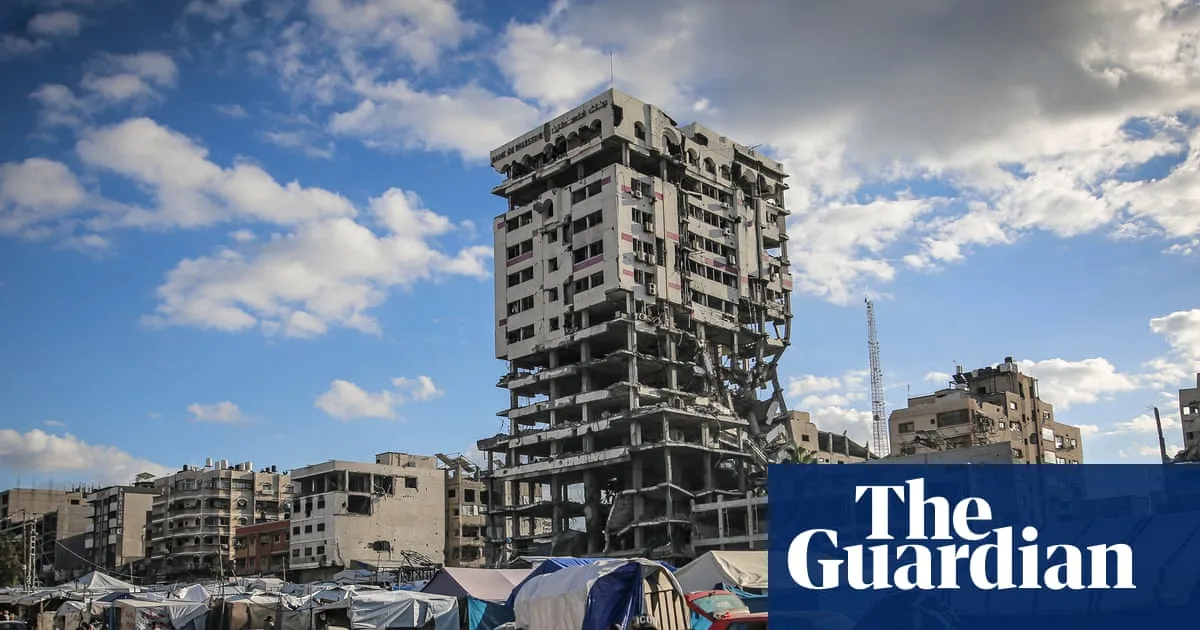
The human cost remains severe: at least 451 Palestinians have been killed since the ceasefire took effect in October last year. The UN describes Gaza as a 'human-made abyss', with reconstruction costs estimated at over $70bn (£53bn). Jorge Moreira da Silva, a UN undersecretary general, said the level of destruction is overwhelming, with over 60 million tonnes of rubble.
Recent storms have compounded the crisis, causing deaths and flooding in displacement camps. On Thursday, medical sources reported six Palestinians killed in Israeli airstrikes in Deir al-Balah.




