Trump Criticises UK as Starmer Seeks Collective Plan for Strait of Hormuz
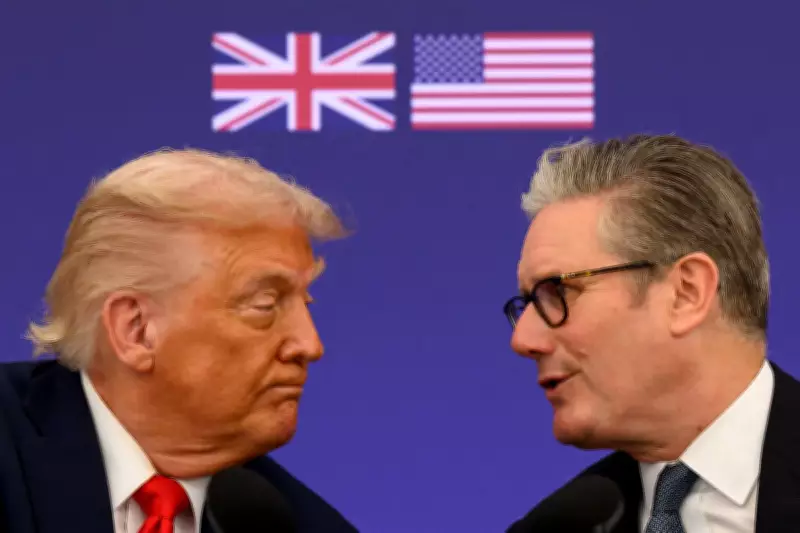
US President Donald Trump has publicly voiced his dissatisfaction with the United Kingdom, following Prime Minister Sir Keir Starmer's call for a "viable collective plan" to reopen the strategically vital Strait of Hormuz. The tension arises amidst Iran's effective closure of the crucial shipping route, which has disrupted global oil and gas supplies in retaliation for recent US-Israeli air strikes.
Starmer's Emphasis on Allied Cooperation
Prime Minister Sir Keir Starmer has resisted immediate unilateral action, instead advocating for a coordinated international response. He stated, "We're working with all of our allies, including our European partners, to bring together a viable collective plan that can restore freedom of navigation in the region as quickly as possible and ease the economic impacts." This approach underscores the UK's preference for diplomacy and multilateral efforts over hasty military involvement.
Trump's Sharp Rebuke of UK Strategy
In contrast, President Trump has labelled the UK's handling of the situation as "terrible," expressing surprise at the reluctance to deploy naval assets. He recounted, "I was very surprised with the United Kingdom, because two weeks ago, I said, 'Why don't you send some ships over' and he really didn't want to do it." Trump further emphasised the longstanding alliance, noting, "We've been with you. You're our oldest ally and we spend a lot of money on Nato and all of these things to protect you." His comments highlight growing friction over defence commitments and strategic priorities.
Background of the Strait of Hormuz Crisis
The Strait of Hormuz, a narrow chokepoint between the Persian Gulf and the Gulf of Oman, is critical for approximately one-fifth of the world's oil shipments. Iran's targeting of vessels has effectively shut down this route, escalating regional tensions and threatening global energy markets. Trump has called for a coalition, including the UK, to safeguard maritime traffic, but Starmer's cautious stance reflects broader concerns about escalating conflicts and the need for sustainable solutions.
This diplomatic rift underscores the complexities of international relations in volatile regions, with the UK balancing its historic ties to the US against a desire for measured, collective action. As discussions continue, the outcome could significantly impact global trade, energy security, and Anglo-American relations.