
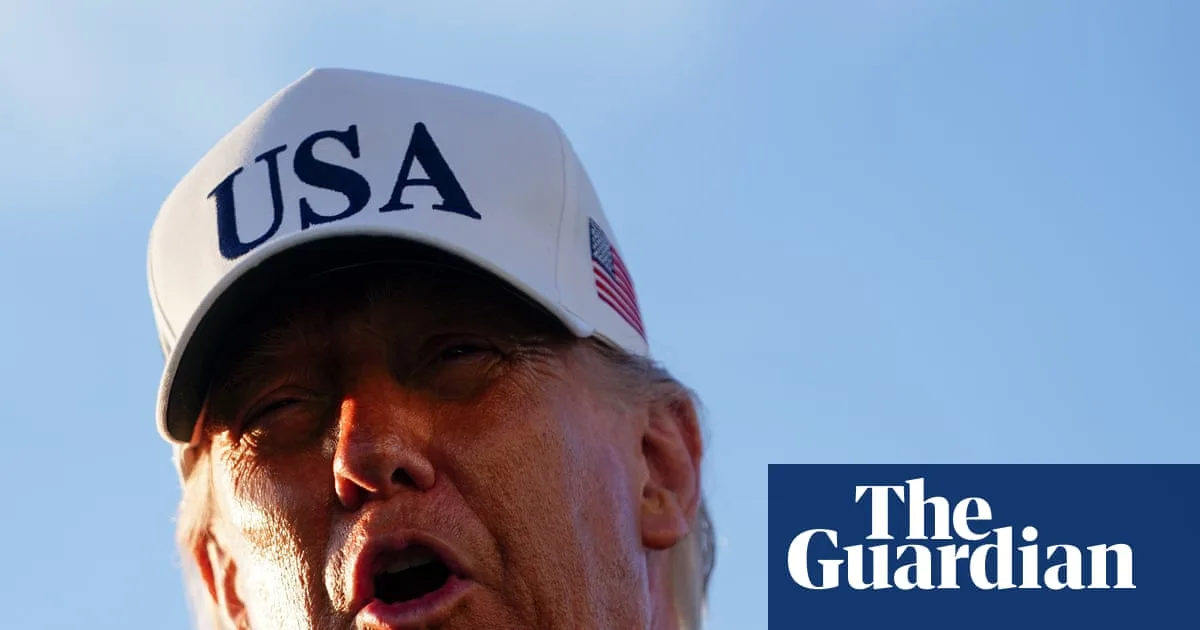
US President Donald Trump has called on the United Kingdom to deploy warships to the Strait of Hormuz to help keep the key oil shipping route open amid conflict with Iran. In a post on his Truth Social platform, Trump urged other nations, including China, France, Japan, and South Korea, to send vessels to the area.
The Strait of Hormuz, through which about 20 million barrels of oil pass daily, has been effectively closed since the US and Israel launched strikes on Iran two weeks ago. Numerous ships have been attacked, driving up oil prices and putting pressure on the global economy.
Trump claimed that the US has destroyed 100% of Iran's military capability but warned that Iran could still deploy drones, mines, or missiles along the waterway. He stated that the US would continue bombing the shoreline and targeting Iranian boats until the strait is open and safe.
Iran responded by dismissing Trump's claims as "fabricated lies." A Ministry of Defence spokesperson said the UK is discussing options with allies to ensure shipping security. However, Rear Admiral Neil Morisetti, who served in the region, warned that the risks are currently too great to guarantee tanker safety.
The UK has sent HMS Dragon to the Mediterranean but has not joined the initial strikes on Iran. Prime Minister Keir Starmer defended his decision not to get directly involved, stating it is his duty to judge Britain's national interest.




