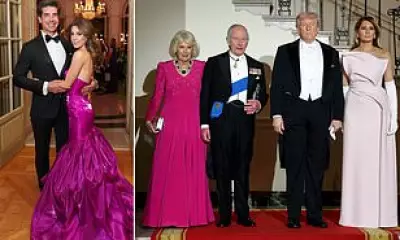
Trump Condemns Starmer's China Meeting as 'Dangerous' Amid UK Defence of Engagement
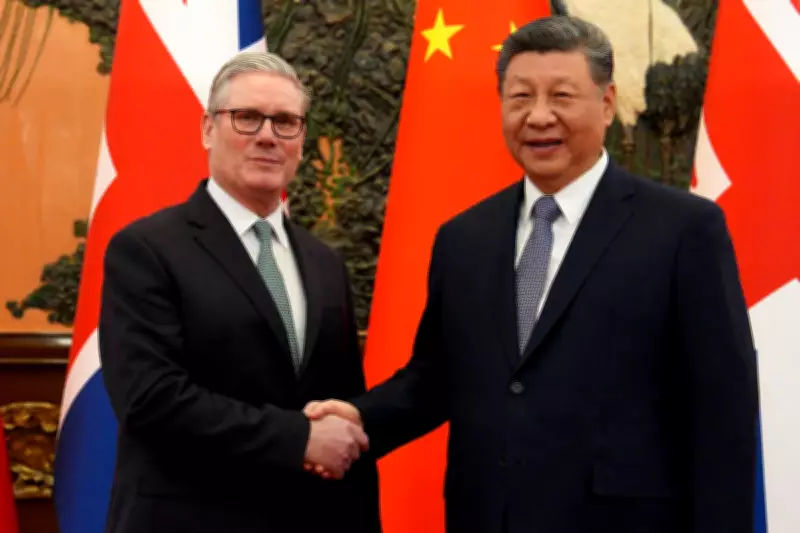
US President Donald Trump has launched a scathing attack on Prime Minister Keir Starmer's diplomatic visit to China, branding it "very dangerous" for Britain to pursue business ties with Beijing. The criticism came as Starmer met with Chinese President Xi Jinping on Thursday, advocating for a "more sophisticated" relationship between the two nations during his trip, which has now moved to Shanghai.
UK Minister Hits Back at Trump's Remarks
Trade Minister Sir Chris Bryant swiftly countered Trump's assertions, describing them as "wrong" and arguing that it would be "absolutely bonkers" for the UK not to engage with China. In interviews with BBC Breakfast and Sky News, Bryant emphasised the necessity of a clear-eyed approach, acknowledging China's status as a major global power and the UK's fourth-largest export market.
"You have to challenge China on the issues where we disagree with them, but you have to face the fact that China is a major power in the world," Bryant stated. "It's the second largest economy in the world, and it's our fourth largest export market. So it would be absolutely bonkers for the UK not to engage with China."

Farage Calls for Trade Deal Halt Over Jimmy Lai Case
Reform UK leader Nigel Farage expressed strong reservations about China's activities, citing espionage concerns and infiltration in British universities. Farage argued that Britain should refrain from any trade deals until Hong Kong pro-democracy campaigner Jimmy Lai, a British citizen, is released from prison. He criticised Starmer's trip as reflecting an outdated mindset, claiming "everything's changed in that last decade, Keir Starmer hasn't."
Key Outcomes from Starmer's China Visit
The prime minister's visit has yielded several tangible agreements aimed at bolstering UK-China relations:
- Whisky Tariffs: Chinese tariffs on Scotch whisky will be reduced from 10% to 5%, projected to benefit the UK economy by £250 million over five years.
- Visa-Free Travel: Britons visiting China for under 30 days will no longer require a visa, aligning UK rules with those of 50 other countries including France and Germany.
- Services Sector Access: Improved market access and clearer rules for UK services, including financial, legal, and retail, with a feasibility study towards a binding services deal.
- Small Boats Cooperation: A new agreement for UK and Chinese authorities to share information and disrupt small boats crossings, targeting Chinese-made motors and dinghies used by people smugglers.
- Broader Cooperation: Commitments to work closely on environmental issues, resume high-level security dialogue, and enhance parliamentary ties.
Business and Cultural Delegation Accompanies Starmer
A delegation of 54 British business and cultural representatives joined Starmer, with deals already emerging, such as Octopus Energy's entry into China's clean energy market. Meanwhile, the UK government is deliberating on approving a £1.5 billion Chinese wind turbine facility in Scotland, weighing job creation against security considerations.
International Context and Criticism
Starmer's efforts mirror those of other world leaders, including France's Emmanuel Macron and Ireland's Micheál Martin, who have sought to strengthen ties with China amid volatile relations with the US. However, the visit has faced domestic criticism, with Conservative MP Alicia Kearns suggesting Starmer should not have gone without securing Jimmy Lai's release, calling it a "propaganda coup" for Beijing.
As Starmer continues his tour in Shanghai, visiting cultural sites like Yuyuan Gardens and engaging with students, the debate over Britain's China strategy underscores the delicate balance between economic engagement and geopolitical caution.