Trump's Ceasefire in Peril as Israel-Lebanon Strikes Escalate Ahead of Crucial US-Iran Talks
The fragile two-week ceasefire brokered by Donald Trump between the United States and Iran is teetering on the brink of collapse, as renewed hostilities between Israel and Lebanon cast a shadow over imminent peace negotiations in Pakistan. The outcome of these make-or-break talks could determine the fate of millions across the Middle East and have profound implications for the global economy, particularly with the strategic Strait of Hormuz at stake.
Escalating Violence Threatens Diplomatic Efforts
Overnight exchanges of airstrikes and rocket fire between Israel and Hezbollah militants in Lebanon have intensified, triggering alerts in Tel Aviv and other regions. This surge in violence directly challenges the temporary truce announced earlier this week, with Israeli Prime Minister Benjamin Netanyahu vowing to continue strikes until security is restored in northern Israel. Iran has insisted that an end to the conflict in Lebanon must be part of any ceasefire agreement, a condition that both Trump and Netanyahu have publicly rejected, creating a critical point of contention.
In response to the Israeli attacks, Iran has once again closed the Strait of Hormuz, a vital oil shipping channel, prompting Trump to voice his frustration on social media. "That is not the agreement we have!" he declared, highlighting the precarious nature of the ceasefire. The closure has already led to volatile oil and jet fuel prices, with airlines worldwide trimming schedules and raising fares, placing additional strain on consumers and businesses.

High-Stakes Peace Talks in Islamabad
Scheduled to commence on Saturday morning local time in Islamabad, the peace talks will see US Vice President JD Vance leading the American delegation, accompanied by special envoy Steve Witkoff and Jared Kushner. However, the Iranian negotiating team has yet to depart from Tehran, with reports indicating that continued Israeli strikes on Lebanon are causing delays. Abbas Aslani, a senior research fellow at the Center for Middle East Strategic Studies in Iran, stated, "The Iranian delegation has not departed from Tehran because the Iranian side is saying that, by the time the Israeli strikes against Lebanon continue, there will be no negotiations in Islamabad."
The White House has provided scant details about the format of the talks, leaving uncertainty over whether they will be direct or indirect. This meeting marks a significant moment, as there has been very little high-level contact between US and Iranian officials in recent years. Trump has expressed optimism about reaching a deal, noting in an interview that Iranian leaders are "much more reasonable" in private than in public statements.
International Reactions and Domestic Impacts
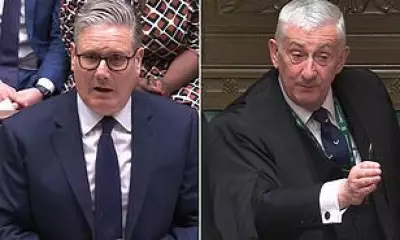
UK Prime Minister Sir Keir Starmer has been actively engaged in the crisis, speaking with Trump to discuss restoring freedom of navigation in the Strait of Hormuz. During a visit to Gulf allies, Starmer criticized the soaring energy prices caused by the conflict, drawing parallels to Vladimir Putin's actions in Ukraine. He emphasized, "I'm fed up with the fact that families across the country see their bills go up and down on energy because of the actions of Putin or Trump across the world."
Domestically, the UK is facing tangible effects, with fuel stocks at petrol stations plummeting to their lowest levels in three years, averaging just 40% of capacity. This decline, reminiscent of the crisis triggered by the Russia-Ukraine conflict, is driven by increased demand and supply disruptions linked to the Middle East turmoil. NATO Secretary-General Mark Rutte praised the UK's leadership in coordinating international efforts to secure the Strait of Hormuz, noting it reflects a shift in mindset away from over-reliance on the US.

Humanitarian and Security Concerns Mount
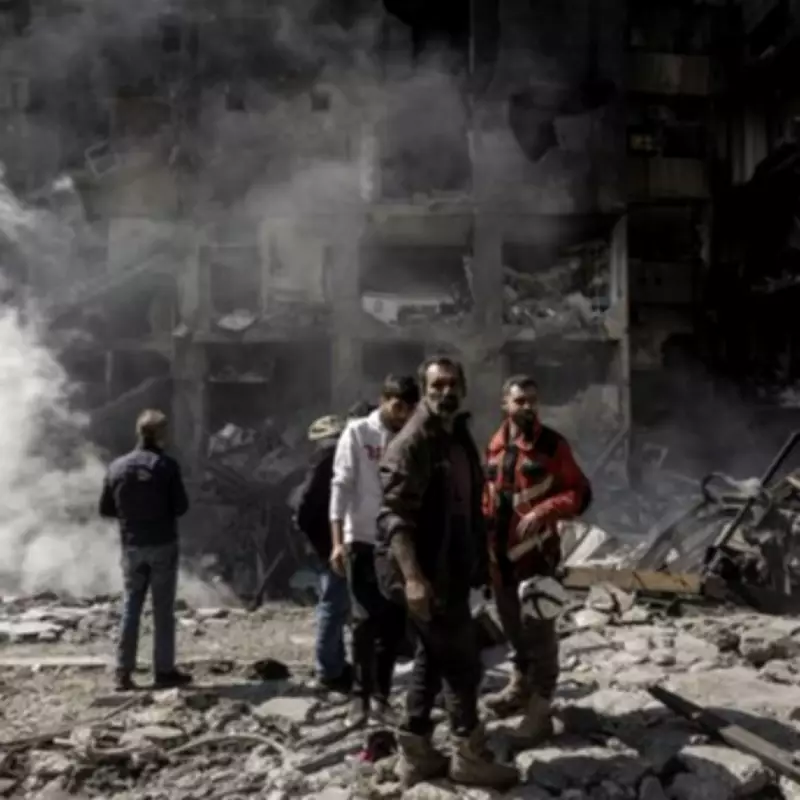
The United Nations has warned that the intensified hostilities in Lebanon are having a "devastating and inhumane toll on children," with buildings in Beirut reduced to rubble. Meanwhile, Kuwait has accused Iran and its proxies of launching drone attacks on its facilities, despite the ceasefire, further complicating the diplomatic landscape. Iran's Supreme Leader, Mojtaba Khamenei, has vowed to avenge the death of his father, Ali Khamenei, who was killed in US-Israeli strikes, signaling potential for prolonged conflict.
As the world watches, the success of the Islamabad talks hangs in the balance. With key players at odds over the scope of the ceasefire and regional stability on the line, the coming days will be critical in shaping the future of the Middle East and global economic security.