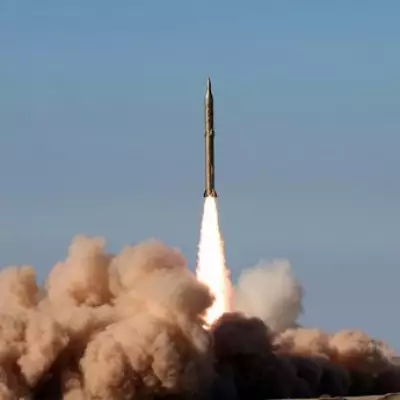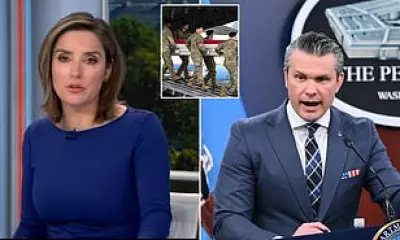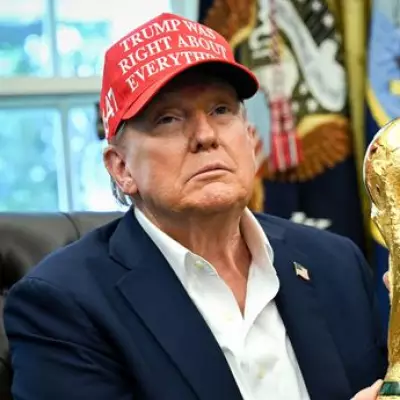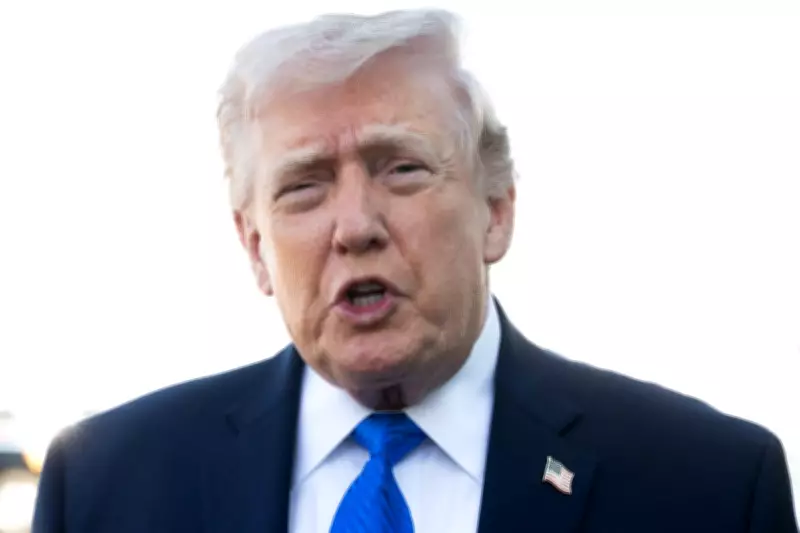
In a significant development in the ongoing Iran conflict, former President Donald Trump has publicly shifted blame for the war onto commentator Pete Hegseth, claiming Hegseth was "the first one to speak up" in advocating for military action. This accusation comes amid heightened tensions, with Iran issuing a firm statement rejecting any prospects for a peace deal and vowing to continue fighting "until complete victory."
Trump's Blame Game and Iran's Defiant Stance
The remarks from Trump, made on Tuesday, 24 March 2026, highlight internal divisions within U.S. political circles regarding the Iran war strategy. Trump's targeting of Hegseth, a known hawkish voice, suggests an attempt to distance himself from the conflict's escalation, even as he remains a central figure in the discourse. Meanwhile, Iran's declaration dashes hopes for a swift diplomatic resolution, indicating a prolonged and intense confrontation ahead.
Potential Leadership Shift in Iran
Amidst the turmoil, speculation is growing about Trump's preferred candidate to lead Iran in the future. Mohammad Bagher Ghalibaf has emerged as a "hot option" for Trump, with analysts suggesting that his background and political stance could align with U.S. interests, potentially facilitating a more manageable relationship. However, Iran's current leadership remains resolute, making any transition uncertain and fraught with challenges.

Other Key Stories from the Day
In related news, Rachel Reeves' proposed energy plan has been widely criticized as a "total waste of time," with experts pointing to logistical and economic flaws that undermine its feasibility. Additionally, authorities are investigating the Golders Green ambulance arson attack, seeking to identify the perpetrators behind this alarming incident. On a somber note, tributes have poured in for Married At First Sight star Mel Schilling, who has passed away, leaving fans and colleagues mourning the loss of a beloved expert in the field.
The combination of Trump's blame-shifting, Iran's defiant rhetoric, and the broader geopolitical maneuvering underscores the volatile nature of the current situation. As peace hopes fade, the focus shifts to potential leadership changes and the ongoing impact of the conflict on regional stability.