Welcome to our live coverage of unfolding events across the Middle East, where a significant diplomatic development has emerged. Former US President Donald Trump has announced that the leaders of Israel and Lebanon are scheduled to hold talks on Thursday, marking the first face-to-face diplomatic negotiations between the two nations in over three decades.
Historic Dialogue Between Israel and Lebanon
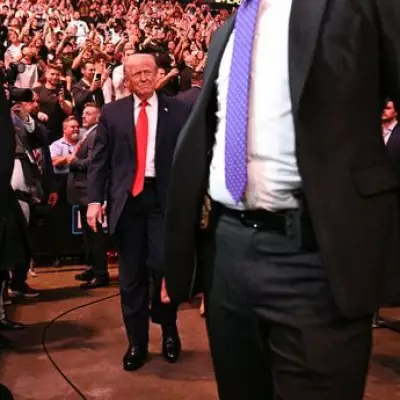
In a post on Truth Social on Wednesday, Trump stated, "Trying to get a little breathing room between Israel and Lebanon. It has been a long time since the two leaders have spoken, like 34 years. It will happen tomorrow." While Trump did not specify the participants or provide further details, this announcement follows earlier reports from the Financial Times, citing Lebanese officials, suggesting a ceasefire could be announced imminently.
Earlier reports indicated that Israeli Prime Minister Benjamin Netanyahu was considering a potential truce with Lebanon, influenced by pressure from Washington. This comes as the Israeli military continues operations in southern Lebanon, with Netanyahu describing the town of Bint Jbeil as a Hezbollah stronghold that Israel is poised to "overwhelm." Tragically, paramedic groups reported that four Lebanese rescue workers were killed, and six others wounded, in consecutive Israeli strikes in the village of Mayfadoun on Wednesday.

US Denies Ceasefire Extension with Iran
Simultaneously, the White House has refuted claims that the United States requested an extension to its ceasefire with Iran, which is set to expire next week. Press Secretary Karoline Leavitt clarified that talks between the US and Iran remain "productive and ongoing," expressing optimism about the prospects of a deal. She emphasized that the US "feels good about the prospects of a deal," countering speculation about an extension.
In a related move, the US Treasury Department announced tightened sanctions against Iran's oil industry. These sanctions target oil transport infrastructure, imposing restrictions on more than two dozen individuals, companies, and ships operating within the network of petroleum shipping magnate Mohammad Hossein Shamkhani. This action underscores the US's continued economic pressure on Iran amid diplomatic negotiations.
Regional Diplomacy and Economic Impacts
Further diplomatic efforts are underway to ease tensions in the region. Pakistan's army chief met with Iran's foreign minister in Tehran on Wednesday, part of ongoing moves to facilitate a second round of US-Iran negotiations. Leavitt noted that these talks would "very likely" reconvene in Islamabad, with Pakistan serving as "the only mediator" in the discussions. Trump previously commented that the war was "very close to over," adding to the diplomatic momentum.
On the economic front, major Wall Street stock indices extended their upward trajectory, buoyed by optimism surrounding a potential US-Iran agreement. Meanwhile, the finance ministers of 11 countries, including the UK and Japan, have called for "coordinated emergency support" from the IMF and World Bank to assist nations affected by disruptions from the Middle East conflict.
Military and Naval Developments
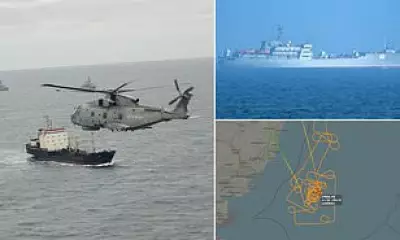
Israel's security cabinet convened to discuss a ceasefire following the US-mediated Israel-Lebanon talks in Washington on Tuesday. In parallel, the US military's Middle East command, Centcom, reported intercepting 10 vessels from sailing out of Iranian ports during the initial 48 hours of a US naval blockade. However, ship tracking data revealed that at least three ships from Iranian ports managed to cross the Strait of Hormuz, though some later turned back, highlighting the complexities of enforcing such measures.
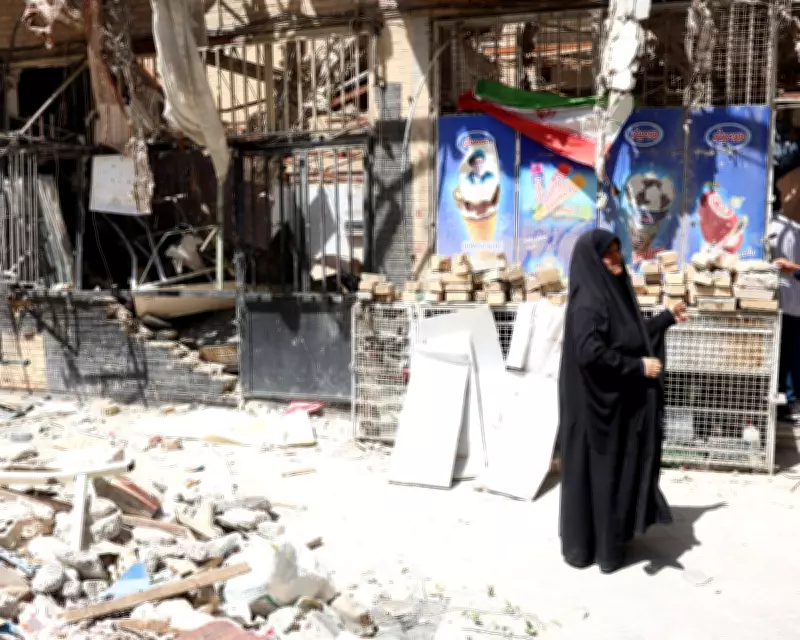
As these multifaceted developments unfold, the international community watches closely, hoping for a de-escalation in one of the world's most volatile regions. The combination of historic diplomatic talks, economic sanctions, and military actions paints a complex picture of the ongoing efforts to achieve stability in the Middle East.