Trump and Rubio Clash Over Iran Policy in Heated Exchange
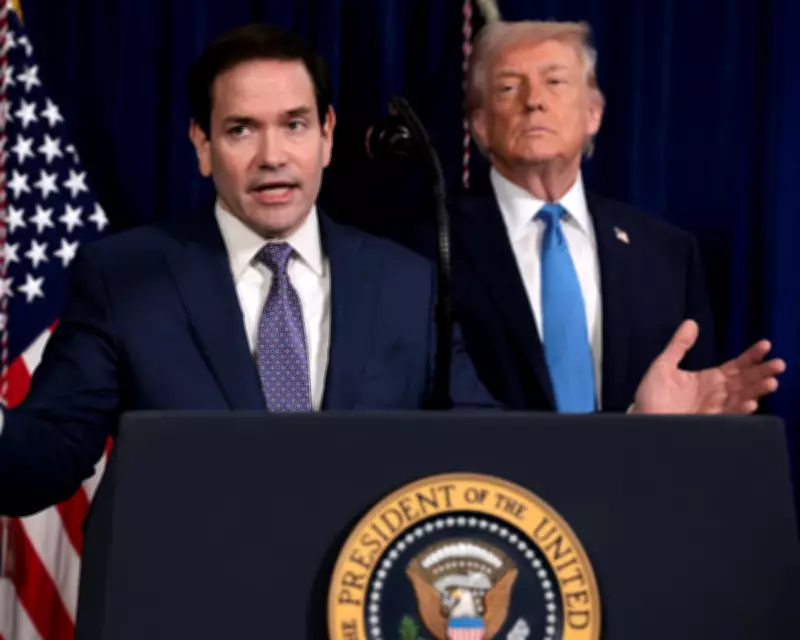
Former President Donald Trump and Senator Marco Rubio have engaged in a sharp public disagreement over U.S. strategy towards Iran, highlighting deep divisions within the Republican Party on foreign policy matters. The exchange, which unfolded through public statements and media appearances, centered on contrasting approaches to handling Iran's nuclear ambitions and regional influence.
Background of the Disagreement
The conflict stems from differing views on the effectiveness of past policies. Trump, who withdrew the U.S. from the Iran nuclear deal during his presidency, has advocated for a hardline stance, including increased sanctions and military pressure. In contrast, Rubio has called for a more nuanced strategy that combines diplomatic engagement with firm deterrence, arguing that isolation alone may not curb Iran's activities.
Key Points of Contention
During the exchange, Trump criticized Rubio for what he described as "weakness" in dealing with Iran, accusing the senator of being too willing to negotiate. Rubio responded by defending his position, emphasizing the need for a balanced approach that avoids unnecessary escalation while protecting U.S. interests. The debate has drawn attention from other Republican figures, with some aligning with Trump's aggressive posture and others supporting Rubio's call for strategic flexibility.

Implications for the Republican Party
This public rift underscores ongoing tensions within the GOP as it grapples with its foreign policy identity post-Trump. Analysts suggest that such disagreements could influence the party's platform in upcoming elections, potentially affecting voter perceptions and candidate selections. The Iran issue, in particular, remains a flashpoint, with broader implications for U.S. relations in the Middle East.
Reactions and Future Outlook
Reactions from political commentators have varied, with some viewing the clash as a healthy debate over complex issues, while others warn it could weaken the party's unity. Looking ahead, the outcome of this disagreement may shape Republican strategies on not only Iran but also other international challenges, as the party seeks to define a coherent foreign policy agenda.