
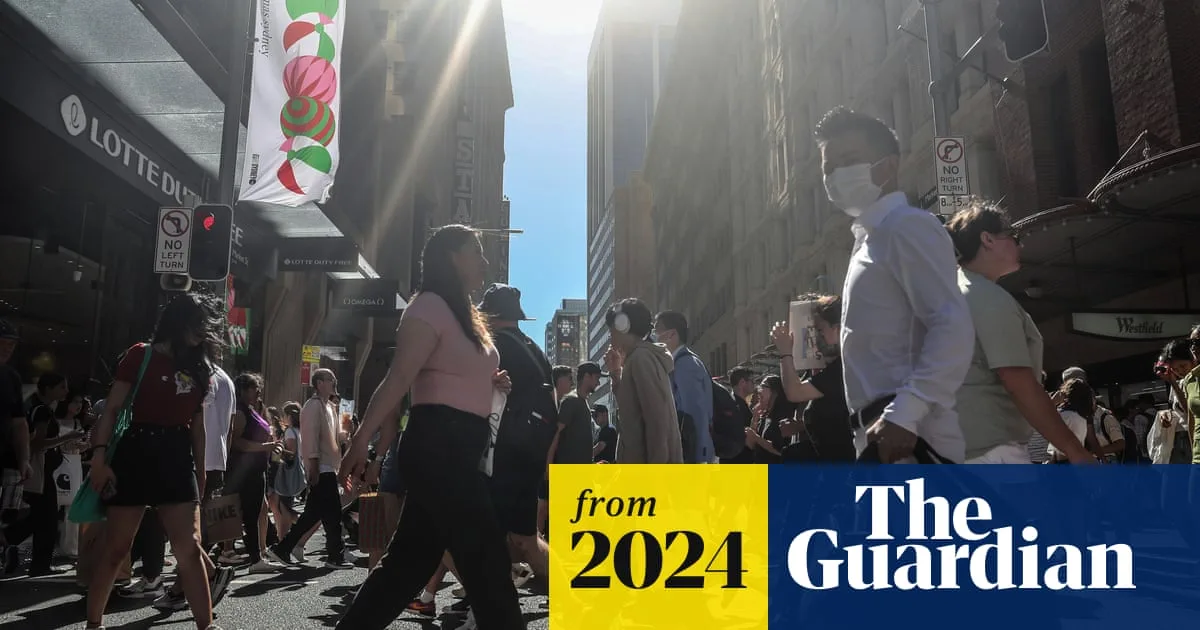
Australia recorded a net migration increase of nearly 550,000 in the year to September 2023, the highest on record, driven by a surge in international students and temporary workers. The population swelled by 659,800, with net overseas migration averaging over 2,000 arrivals per day.
The figures reignited political debate, with the opposition Coalition blaming the influx for exacerbating housing and rental crises. Shadow immigration minister Dan Tehan said record numbers were causing a housing crisis, though he denied demonising migrants. Campaign group Democracy in Colour condemned the comments as 'irresponsible' and part of a 'migrant blame game'.
The Labor government has signalled measures to reduce arrivals, including raising English language requirements and introducing a 'genuine student' test. From Saturday, visitor visa holders will face 'no further stay' conditions to prevent switching to student visas. Treasurer Jim Chalmers said the data did not reflect the government's actions to put downward pressure on migration.
Despite political tensions, the jobs market absorbed migrants, with the economy adding 116,600 jobs in February—well above forecasts. The unemployment rate fell, suggesting labour demand remains strong. However, economists warn that high population growth could push up unemployment if job creation slows.
Interstate migration saw 33,000 people leave New South Wales, while 32,000 moved to Queensland and 10,000 to Western Australia. Australia's population reached 26.8 million in September, with estimates now exceeding 27 million.




