Tehran Suffers 'Worst Night' of Bombardment in Escalating US-Israeli Conflict
Tehran experienced its most devastating night of bombing to date as the United States and Israel dramatically escalated missile strikes against the Iranian capital. Israel declared a "broad-scale wave of strikes" explicitly aimed at overthrowing the Iranian regime, marking a significant intensification in the ongoing conflict.
Residents Describe Terrifying Scenes of Destruction
Local residents in Tehran reported powerful explosions that shook homes for extended periods, with one eyewitness describing continuous tremors lasting five minutes straight. The bombardment triggered widespread internet and power outages across the city, plunging neighbourhoods into darkness and chaos as infrastructure crumbled under the assault.
Iran Retaliates with Hybrid Drone and Missile Attacks
In response to the intensified strikes, Iran launched coordinated hybrid drone and missile attacks against Israeli targets. The United States warned of a dramatic surge in attacks across the region, with former President Donald Trump stating he would personally appoint a successor to the assassinated Ayatollah Ali Khamenei, further complicating the political landscape.

Mounting Casualties and Humanitarian Crisis
The conflict has resulted in at least 1,332 confirmed deaths in Iran alone, including a tragic incident where over 160 children perished at an elementary school in Minab. This horrific event has prompted an immediate investigation by the UN Human Rights Office, highlighting the severe human cost of the escalating violence.
Regional Spread and Displacement
The violence has rapidly spread beyond Iran's borders, creating a "major humanitarian emergency" across neighbouring regions:
- Iranian retaliatory strikes have hit multiple Gulf countries, expanding the conflict zone.
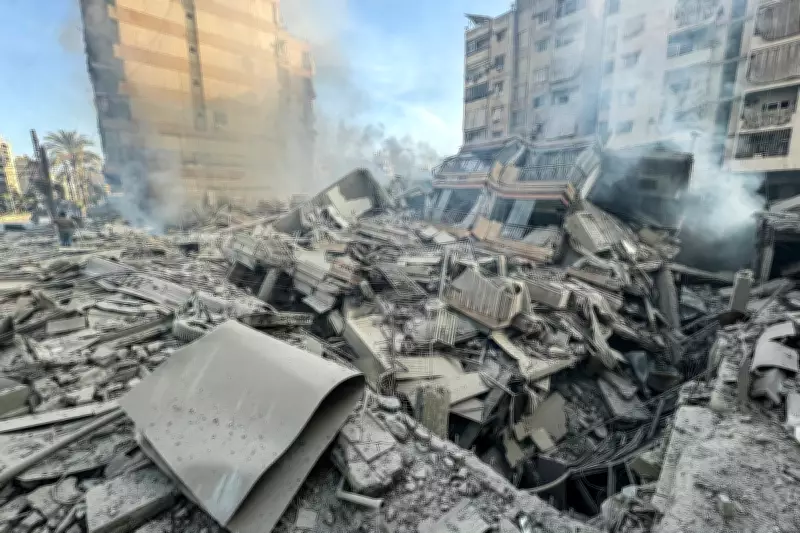
- Israeli attacks on Lebanon have killed at least 50 people and displaced approximately 100,000 residents.
- The widespread destruction has overwhelmed local emergency services and aid organizations.
As fear grips Tehran and surrounding areas, the international community faces mounting pressure to address both the immediate humanitarian needs and the broader geopolitical implications of this rapidly expanding conflict.