
Tehran residents have described what they say is the worst night of aerial bombardment since the US-Israeli campaign began, as US Defense Secretary Pete Hegseth warned that strikes would continue until Iran is “decisively defeated”. One resident, speaking under a pseudonym for security reasons, reported back-to-back explosions and low-flying jets overhead.
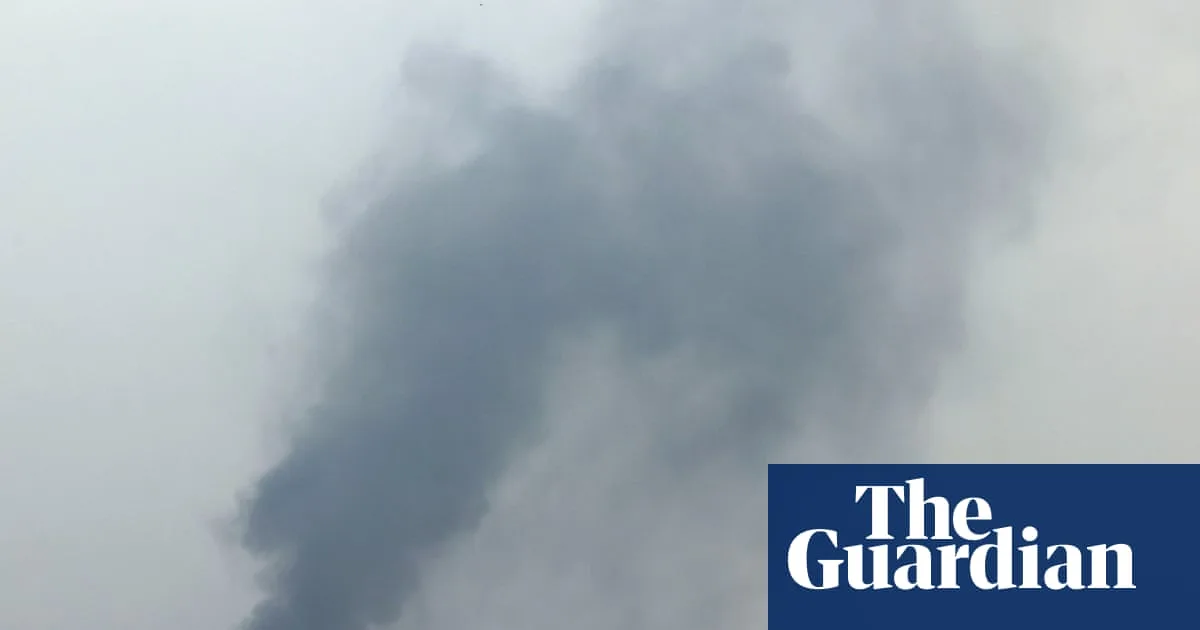
Israel, which launched its air campaign alongside the US on 28 February, said it had hit a weapons development facility in the latest wave of strikes. The World Health Organization urged Iranians to stay indoors, warning that “black rain” from oil facility strikes could cause respiratory problems. At least 1,245 civilians have been killed in Iran, according to Human Rights Activists in Iran.
US officials issued contradictory messages on the war’s duration. President Donald Trump told CBS News that “the war is very complete”, but Hegseth later said the conflict would end on “our timeline” and promised the most intense strikes yet. General Dan Caine, chair of the joint chiefs, said US forces had hit over 5,000 sites in Iran.
Iran’s national security council head, Ali Larijani, warned that Iran would not accept an end to the war until it had inflicted a “painful price” on the US and Israel. He implied Iran could target Trump, saying “be careful not to get eliminated yourself”. The remarks came as global oil prices surged due to disruptions in the Strait of Hormuz.
Iran continued to strike Gulf states, killing one woman in Bahrain and wounding eight others. The UAE reported four migrant workers killed by falling missile debris, while Saudi Arabia and Kuwait intercepted drones. Despite the conflict, life in Dubai remained largely normal, with beaches and malls still busy, though many tourists had left.




