
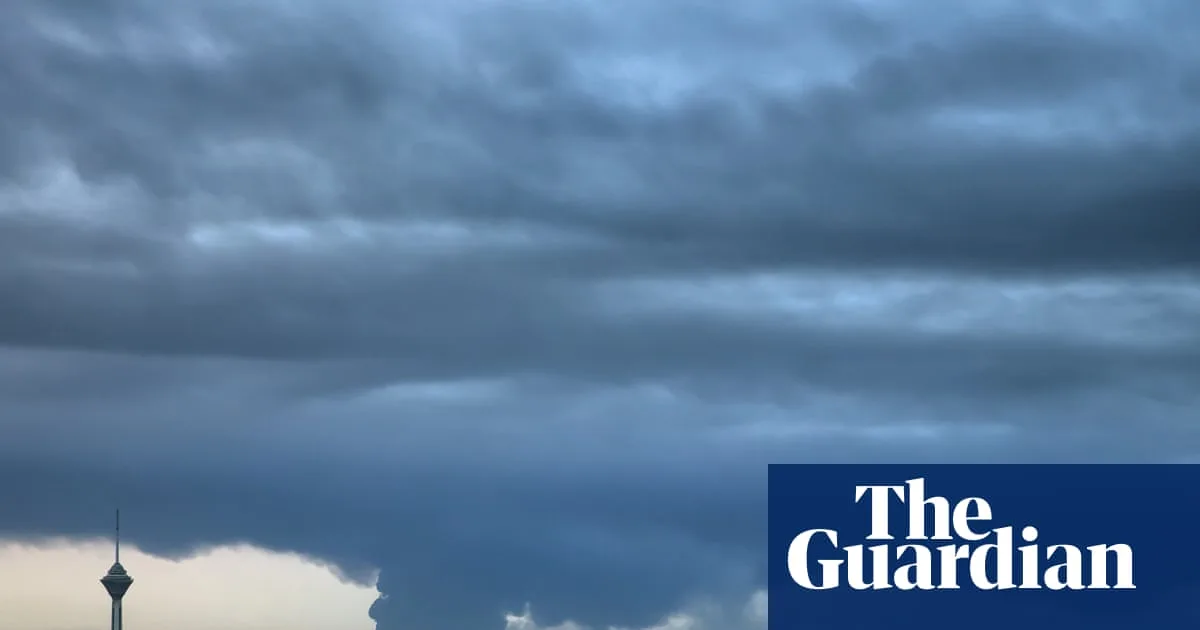
Satellite images have revealed that toxic fires caused by Israeli bombings on oil depots in Tehran continued to burn for days after the strikes, raising fears of serious health complications for millions of residents. The attacks on 7 March targeted multiple fuel facilities, blanketing the city with pollutants including soot, oil particles, and sulphur dioxide.
Residents reported headaches, eye and skin irritation, and difficulty breathing. Experts warn these symptoms could be just the beginning, with long-term risks of cardiovascular disease, cognitive impairment, DNA damage, and cancer. A passing storm after the bombings showered Tehran with poisonous, oil-filled rain, described as 'black rain' by locals.
Four fuel facilities were hit: the Shahran depot in the north-west, the Aqdasieh oil depot in the north-east, the Tehran refinery in the south, and the Shahid Dolati facility in the west. Satellite images taken two days after the strikes showed the Shahran depot and Tehran refinery still burning. Ten days later, smoke and flames were still visible at the Aqdasieh site.
Iran has described the attacks as 'ecocide', or wanton environmental destruction. The World Health Organization warned the attack risked contaminating food, water, and air, with severe health impacts especially on children, older people, and those with pre-existing conditions. The United Nations Environment Programme noted that heavy smoke from burning oil was directly inhaled by people in Iran, raising serious concerns about long-term impacts.
Israel claimed responsibility for bombing fuel tanks in Tehran, posting an image of one site on social media. The US energy secretary said the strikes were Israeli operations. Other strikes have caused environmental damage elsewhere, including attacks on the UAE's Fujairah port and oil storage facility, and oil spills from US-Israeli strikes on ships.




