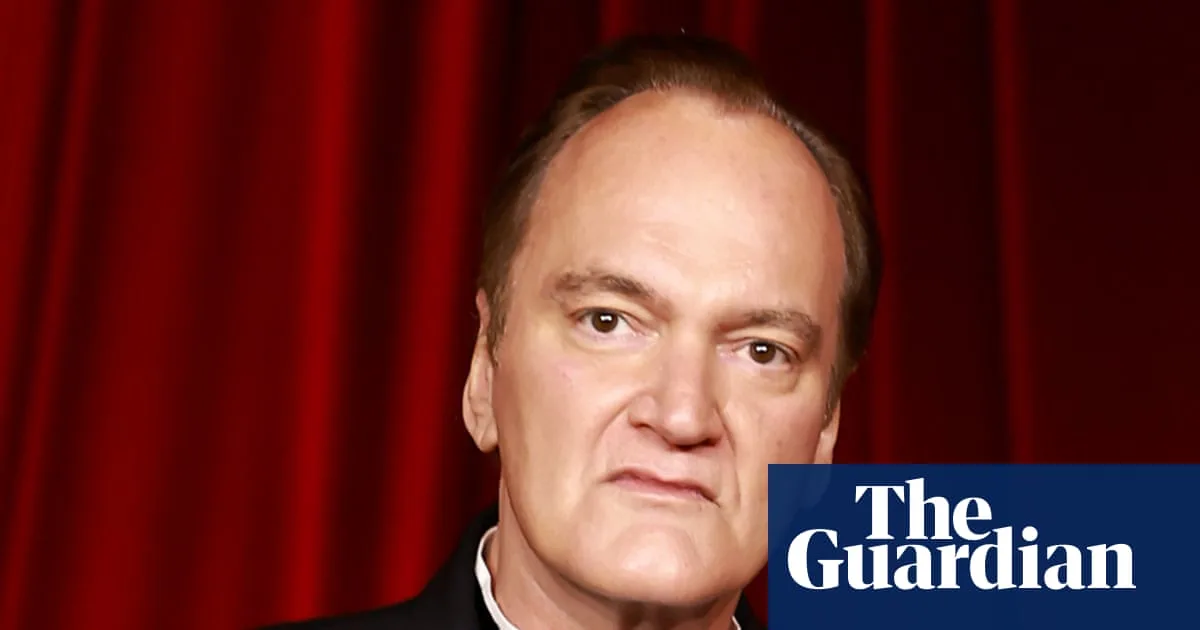
In a fiery exchange that has reignited long-standing debates about artistic expression and racial sensitivity in Hollywood, director Quentin Tarantino has publicly slammed his former collaborator Rosanna Arquette for her criticism of his work. The controversy centres on Tarantino's use of the N-word in his iconic 1994 film Pulp Fiction, which Arquette has labelled as "racist and creepy" and "not art."
Arquette's Vocal Criticism of Tarantino's Language
Rosanna Arquette, who starred in Pulp Fiction, recently spoke out against what she described as the "excessive use" of the racial slur in Tarantino's films. She specifically highlighted the 20 instances of the N-word featured in the cult classic, arguing that it crosses a line from artistic license into offensive territory. Arquette's comments have added her voice to a chorus of critics who have questioned Tarantino's approach to depicting racial themes throughout his career.
Tarantino's Blunt Response and Accusation of Ingratitude
Tarantino responded with characteristic bluntness, accusing Arquette of a "decided lack of class" for publicly criticising his work after he had employed her in Pulp Fiction. The director's retort, which included the pointed remark "I gave you a job," underscores the personal and professional tensions underlying this artistic dispute. This response reflects Tarantino's longstanding defence of his creative choices as integral to his storytelling, particularly in films that explore gritty, historical, or controversial subject matter.
A History of Controversy Surrounding Tarantino's Work
This is not the first time Tarantino's use of racial slurs has sparked controversy. His 2012 film Django Unchained, which is set in the antebellum South, featured the N-word over 110 times, drawing criticism from prominent filmmakers such as Spike Lee and Lee Daniels. Lee has previously accused Tarantino of being insensitive and exploitative in his portrayal of racial issues, while Daniels has expressed similar concerns about the normalization of such language in cinema.
Defenders and Critics in the Film Industry
Despite the criticism, Tarantino has also found staunch defenders within the industry. Actor Samuel L Jackson, who has frequently collaborated with Tarantino, has consistently supported the director's artistic choices, arguing that they serve a narrative purpose and reflect the realities of the characters and settings depicted. This divide highlights the broader debate in Hollywood about the boundaries of artistic freedom versus social responsibility, with figures like Arquette and Lee advocating for more mindful representation, while others like Jackson emphasise creative autonomy.
The ongoing row between Tarantino and Arquette not only revisits past controversies but also raises fresh questions about the evolving standards of language and representation in film. As discussions around racial sensitivity continue to shape the entertainment landscape, this incident serves as a reminder of the complex interplay between art, ethics, and personal relationships in the world of cinema.