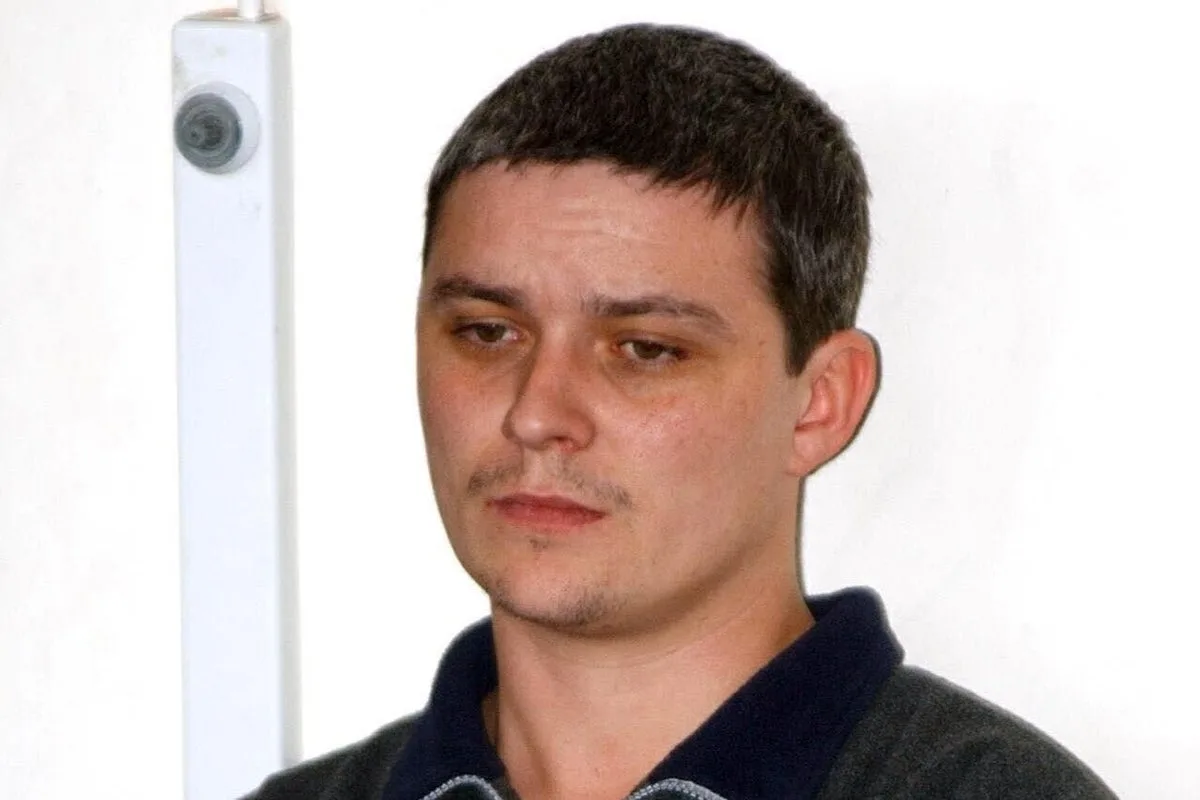
Taxpayer-Funded Funeral for Soham Killer Ian Huntley Sparks Political Outcry
Ian Huntley, the convicted murderer of 10-year-old schoolgirls Holly Wells and Jessica Chapman in 2002, could have his basic funeral or cremation expenses covered by taxpayers under a longstanding prison service policy. This potential allocation of up to £3,000 from public funds has ignited fierce political debate, with Justice Secretary David Lammy under mounting pressure to intervene and prevent any state contribution towards marking the child killer's death.
Prison Service Policy Under Scrutiny
According to established prison service guidelines, governors are required to offer a contribution of up to £3,000 to cover basic funeral expenses for any individual who dies while in custody. This policy does not extend to funding for headstones, flowers, or order of service sheets. Notably, other notorious murderers, including Raymond Morris in 2014 and Peter Sutcliffe, the Yorkshire Ripper, in 2020, had their funeral costs covered under this same scheme.
Huntley died in hospital on Saturday after being attacked in the workshop of HMP Frankland, a maximum security prison in Durham, on 26 February. He was serving a life sentence with a minimum term of 40 years for the brutal murders of Holly Wells and Jessica Chapman, a case that remains one of the most shocking in British criminal history.
Political and Expert Reactions
Ian Acheson, a former prison governor and respected prison expert, emphasized the sensitivity of the situation in comments to The Times. "Lammy needs to be all over this," Acheson stated. "He will have the ability to override any prison service instruction, order or framework that might provide this to happen because that isn't law, it's just interpretations of the law."
Acheson further warned that "this will need to be handled very carefully because it'll be political dynamite if there's anything other than him being cremated and distributed into a field somewhere." He expressed concern that "there will certainly be people attracted by his sadistic, putrid notoriety so we must ensure nobody can capitalise on his death."
Family Response and Public Sentiment
Samantha Bryan, Huntley's 27-year-old daughter, revealed she was "over the moon" to learn of her father's death and suggested his ashes should be "flushed down the toilet." In a statement to The Sun on Sunday, she said, "I felt relieved. I didn't cry. I smiled. I was over the moon to be honest." Ms. Bryan, who only discovered Huntley was her father while researching for a school crime project at age 14, adamantly opposed any formal funeral, stating, "He shouldn't have the dignity of a funeral and grave. I will not be going. A funeral is pointless for a man like him."
Her mother, Katie Bryan, had been in a relationship with Huntley when she was 15 and became pregnant with Samantha at 16, adding a complex familial dimension to the case.
Official Statements and Ongoing Implications
A Ministry of Justice spokesperson acknowledged the profound impact of the crimes, stating, "The murders of Holly Wells and Jessica Chapman remains one of the most shocking and devastating cases in our nation's history, and our thoughts are with their families." The statement did not directly address the specific policy question regarding funeral costs.
The controversy highlights broader questions about the allocation of public funds in cases involving notorious criminals and the discretionary powers of the Justice Secretary to override administrative policies. As the debate intensifies, the government faces calls to ensure that no public money or official recognition is afforded to Huntley's death, reflecting widespread public outrage and the enduring trauma of the Soham murders.




