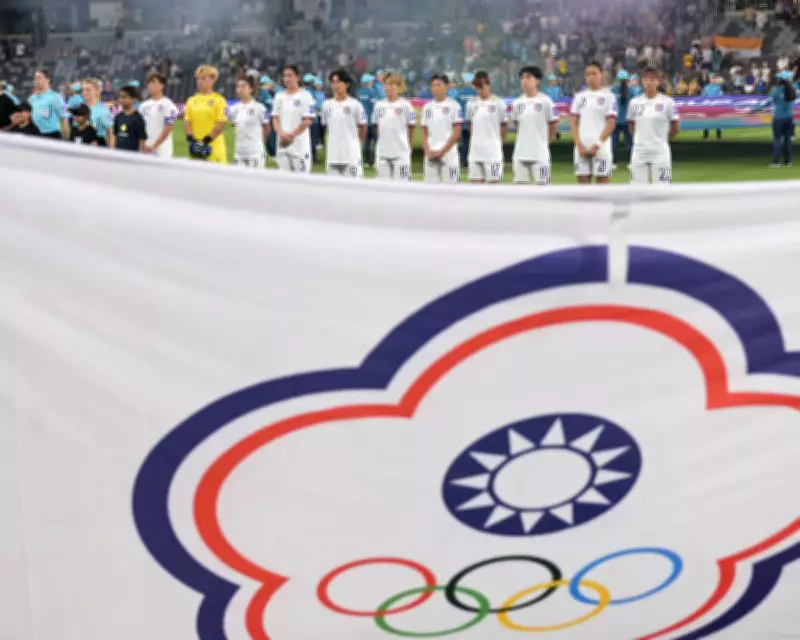
Taiwan Chant at Women's Asian Cup Ignites Diplomatic Dispute
A recent incident at the Women's Asian Cup football tournament has escalated into a significant diplomatic controversy, as fans of the Chinese Taipei team engaged in a political chant that has drawn sharp reactions from both Taiwan and China. The event, which occurred during a match, highlights the ongoing tensions surrounding Taiwan's status in international sports and its complex relationship with mainland China.
Details of the Chant and Match Context
During a Women's Asian Cup game, supporters of the Chinese Taipei national football team were heard chanting slogans that are widely interpreted as advocating for Taiwan's independence. This took place in a high-stakes tournament setting, where the team was competing under the name "Chinese Taipei," a designation used by many international sports bodies to avoid political recognition issues. The chant quickly gained attention on social media and in news reports, sparking debates about the intersection of sports and politics.
The match itself was part of the Asian Football Confederation's premier women's tournament, which features teams from across the continent. Chinese Taipei, which represents Taiwan in such competitions due to diplomatic protocols, has a history of passionate fan support, but this incident marked a rare public display of political sentiment at a sporting event.

Reactions from Taiwan and China
In response to the chant, authorities in Taiwan issued statements emphasizing the right to free expression and the pride of their football community. They noted that such displays reflect the democratic values of Taiwan, which operates as a self-governing island but is claimed by China as part of its territory. Meanwhile, Chinese officials condemned the chant as a provocative act that undermines the "One China" principle, a policy asserting that Taiwan is an inalienable part of China.
The Chinese government called for strict adherence to international norms that prohibit political demonstrations at sports events, urging tournament organizers to take action to prevent similar incidents in the future. This reaction underscores the sensitivity of Taiwan-related issues in China's foreign policy, where any perceived challenge to sovereignty is met with firm opposition.
Broader Implications for Sports and Diplomacy
This controversy raises important questions about the role of sports in international relations. The use of the name "Chinese Taipei" is a compromise designed to allow Taiwan's participation without granting it full statehood recognition, but incidents like this chant reveal the underlying political tensions that can surface. Experts suggest that such events may lead to increased scrutiny of fan behavior at future tournaments and potential changes in how sports bodies manage political expressions.
Moreover, the incident could impact diplomatic efforts between Taiwan and China, which have been strained in recent years. While sports often serve as a bridge for cultural exchange, this case demonstrates how they can also become arenas for political conflict, complicating efforts to maintain peaceful relations.
Historical Context and Future Outlook
Taiwan has a long history of participating in international sports under the Chinese Taipei banner, dating back to agreements in the 1980s aimed at resolving diplomatic disputes. However, debates over Taiwan's identity and sovereignty persist, with many in Taiwan advocating for greater international recognition. The Women's Asian Cup chant is just the latest example of how these issues can manifest in public forums.
Looking ahead, tournament organizers and football authorities may face pressure to implement stricter guidelines on fan conduct to avoid similar controversies. For Taiwan and China, this incident serves as a reminder of the delicate balance required in managing their relationship, especially in high-profile international settings like sports competitions.