Syrian Government and Kurdish-Led SDF Announce Latest Ceasefire Agreement
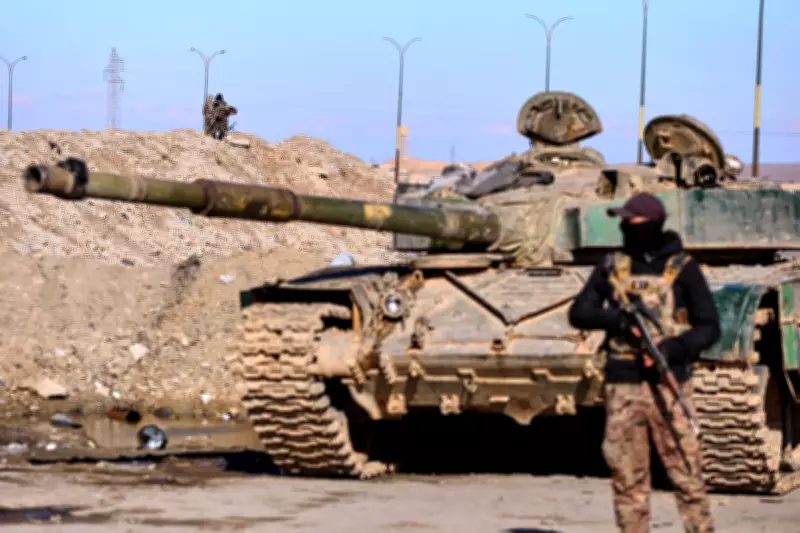
The Syrian government and the Kurdish-led Syrian Democratic Forces (SDF) have jointly announced a new ceasefire deal, a development that promises to reshape the military and political landscape of the war-torn nation. This agreement will see the phased integration of SDF units into the formal state security apparatus, a move that consolidates the authority of President Ahmed al-Sharaa and averts a potentially devastating conflict in northeastern Syria.
A Dramatic Shift in Territorial Control
This ceasefire follows a period of intense military pressure, where government forces reclaimed significant territories from the SDF over the past fortnight. This represents the most substantial alteration to Syria's control map since the deposition of long-time ruler Bashar al-Assad in late 2024. The northeastern regions, particularly areas around Hasakah and Qamishli, have been epicentres of instability since Assad's fall, with the status of the SDF remaining a critical, unresolved issue throughout President al-Sharaa's tenure.
The Structure of the Integration Plan
The operational details of the agreement are now emerging. Initial steps involve forces withdrawing from frontlines, allowing Syrian interior ministry security forces to deploy into the central districts of the key SDF-held cities of Hasakah and Qamishli. Furthermore, the deal mandates a significant military restructuring.

Key components of the integration include:
- The merger of three SDF brigades into a new military division affiliated with the Aleppo governorate.
- The formation of a dedicated brigade for forces currently stationed in the SDF-held town of Kobani, also known as Ain al-Arab.
A Damascus official clarified that while the new division will incorporate "groups from the SDF within brigades," fighters will join these units as "individuals." Crucially, the entire division will operate under the ultimate authority of Syria's Defence Ministry, ensuring centralised command.
International Reaction and Historical Context
Tom Barrack, the US envoy deeply involved in mediation efforts, hailed the agreement as "a profound and historic milestone in Syria’s journey toward national reconciliation, unity, and enduring stability." This sentiment was echoed by Noah Bonsey, a senior adviser with the International Crisis Group, who described the deal as "a potentially historic turning point" that successfully finds a middle ground on exceptionally difficult issues.
It is important to note that an integration framework was initially agreed upon in March of last year, but implementation stalled, missing a year-end deadline. This failure prompted the recent, rapid government military advance that precipitated the current, more definitive agreement.
Official Statements and Unresolved Details
In a published statement, the SDF framed the deal as an initiative that "aims to unify Syrian territory and achieve full integration in the region by strengthening cooperation between the concerned parties and unifying efforts to rebuild the country." Syrian state-run broadcaster al-Ikhbariya released an almost identical message, citing a government official.
While the official communications did not specify the fate of Semalka, the last SDF-controlled border crossing into northern Iraq, a Syrian official has asserted that the state will assume control over all border crossings. Analysts like Noah Bonsey caution that while the deal prevents a "really ugly military showdown," implementation will be "tricky," with numerous challenges lying ahead as all terms are finalised and enacted.