Suspected Drone Crashes into Lithuanian Lake Near Belarus Border
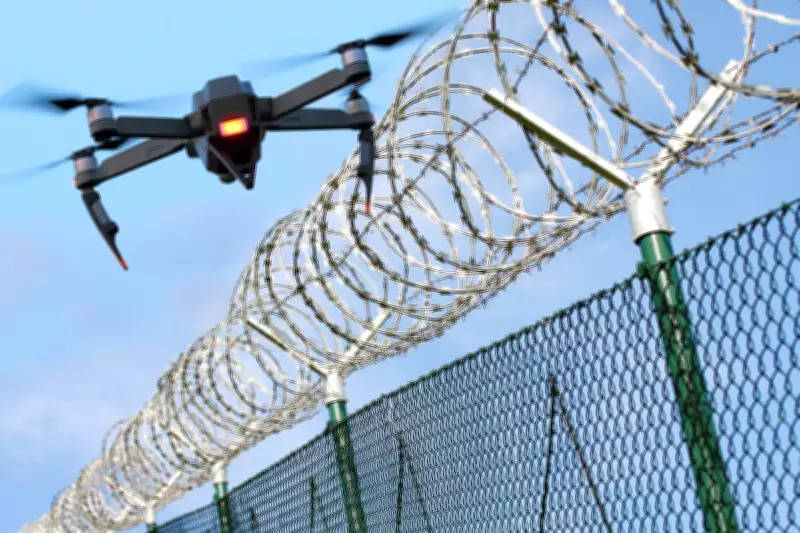
Lithuania's army confirmed on Monday that a suspected drone entered the country's airspace and crashed into an ice-covered lake approximately 20 kilometres (12 miles) from the border with Belarus. The incident occurred in the Varėna district near the village of Lavys during the early hours of Monday, according to local media reports.
Debris and Footage Point to Unmanned Aerial Vehicle
An army spokesperson stated that debris discovered around a hole in the ice is believed to be from the unmanned aerial vehicle. Night-time security camera footage, released by Lithuania's public broadcaster LRT, captured around 40 seconds of a buzzing sound before a loud blast, followed by what appeared to be flaming debris ascending into the air.
Army spokesperson Gintautas Ciunis remarked, "We are very close to Belarus... The most likely assumption is it came from this country." He added that no explosives were found at the crash site, but the event has raised significant security concerns.

Prime Minister Calls for National Security Consultation
In response to the incident, Prime Minister Inga Ruginiene has scheduled a National Security Commission consultation for Tuesday to address the potential threats and implications. This move underscores the gravity of the situation, as Lithuania remains vigilant about border security amid regional tensions.
Historical Context: Previous Drone Incursions from Belarus
This event follows a pattern of similar incidents. In July 2025, military drones from Belarus landed on Lithuanian territory twice, prompting the country to request additional air defences from NATO last year. Lithuanian intelligence indicated earlier this month that both previous drones had entered Lithuania accidentally, but the latest crash has intensified scrutiny.
The recurring drone incidents highlight ongoing security challenges in the region, with Lithuania seeking enhanced protective measures through NATO alliances. The consultation on Tuesday aims to evaluate current defences and strategise responses to prevent future occurrences.